
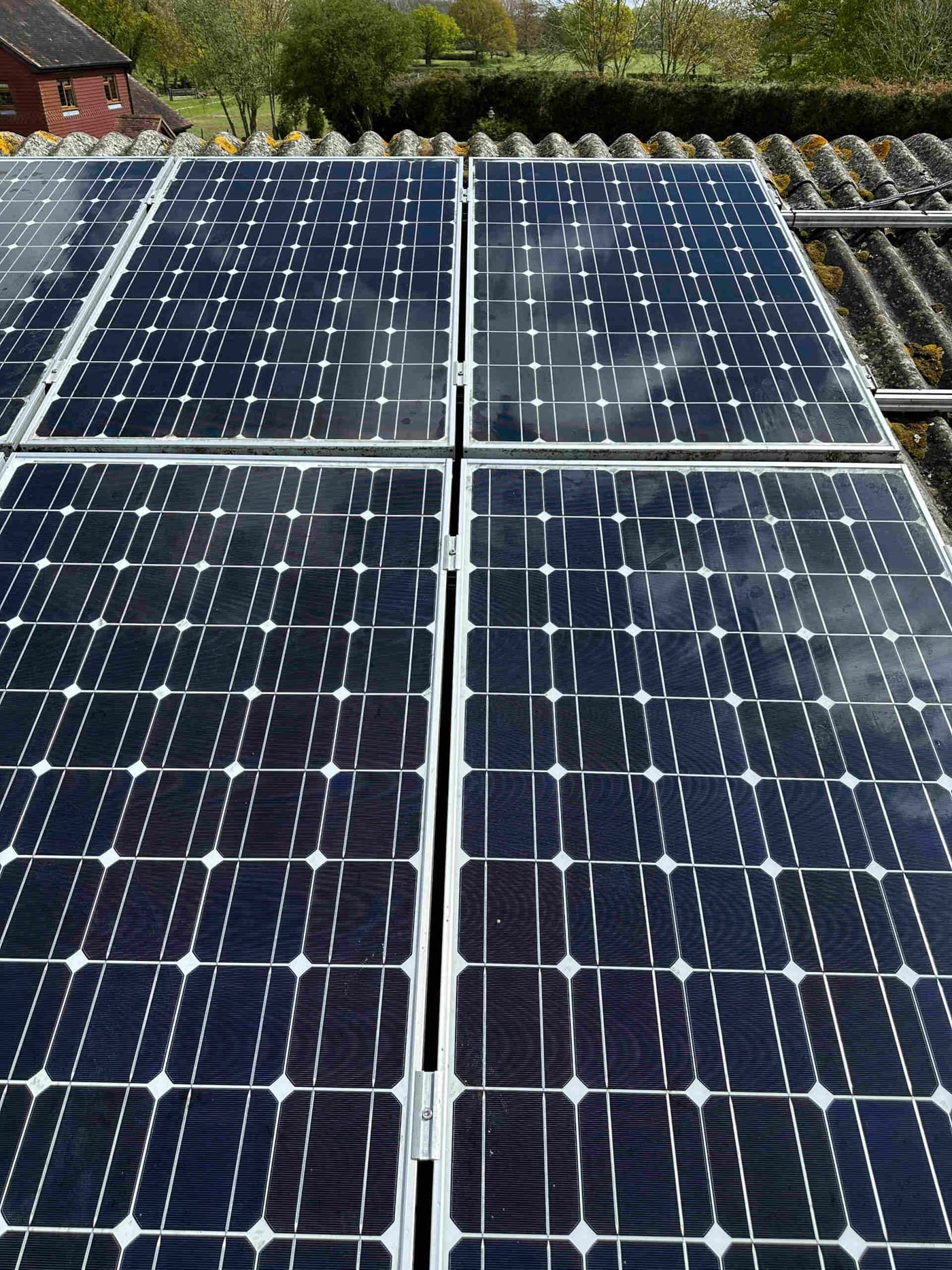
77 photographs
Their work,
not stock.
Every photograph here is Coutts Electrical's own, of their own completed work. None of it is bought, and none of it is a render.
01 The work
77 photographs
from real jobs.
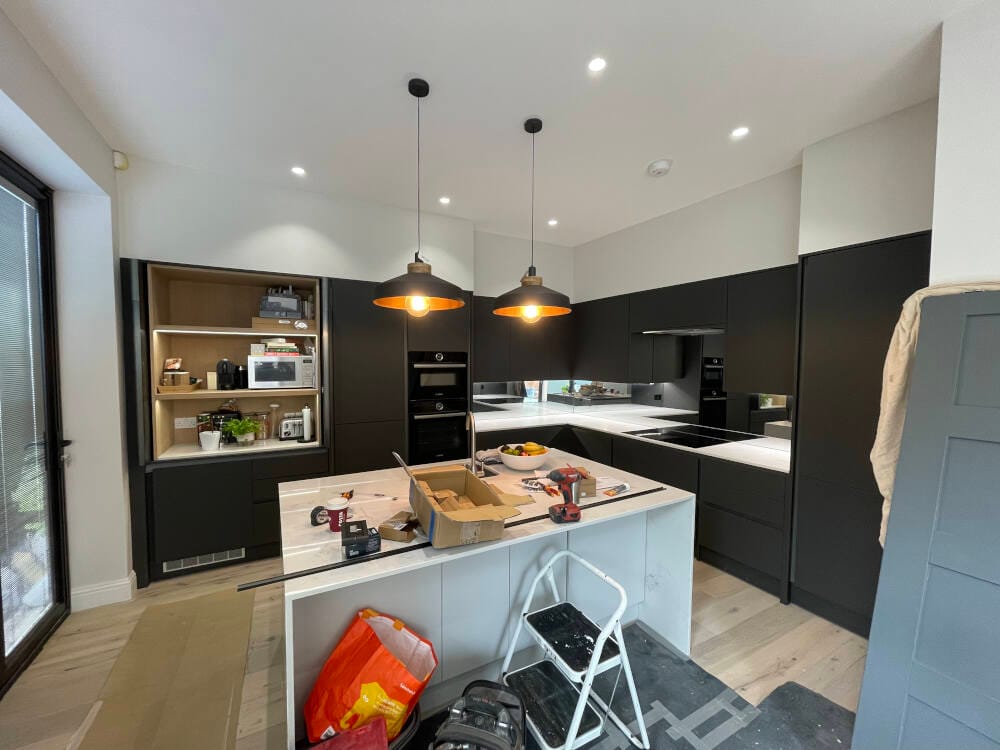
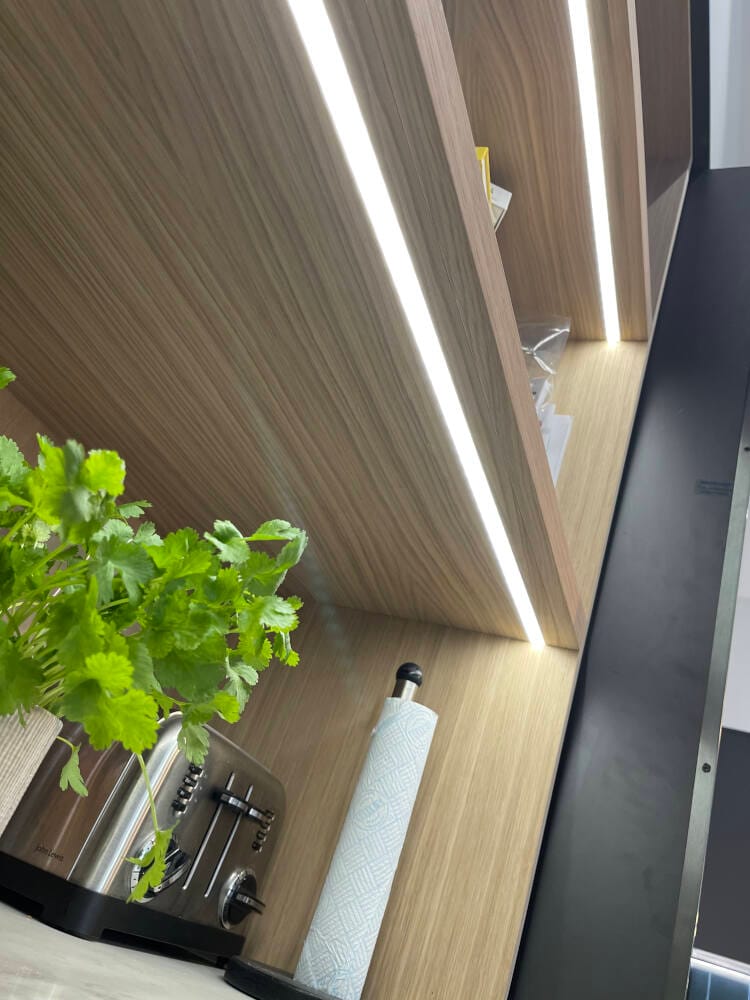
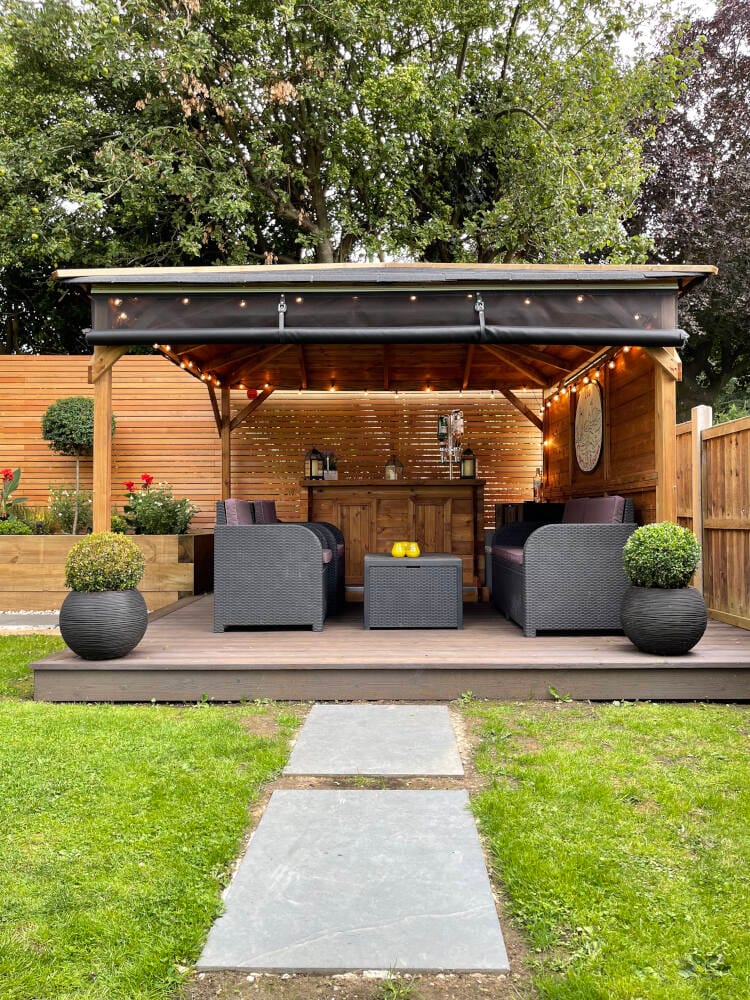
Filter by the kind of work. Every image is in the page source, so it counts for search — which is more than can be said for a gallery that only renders in JavaScript.
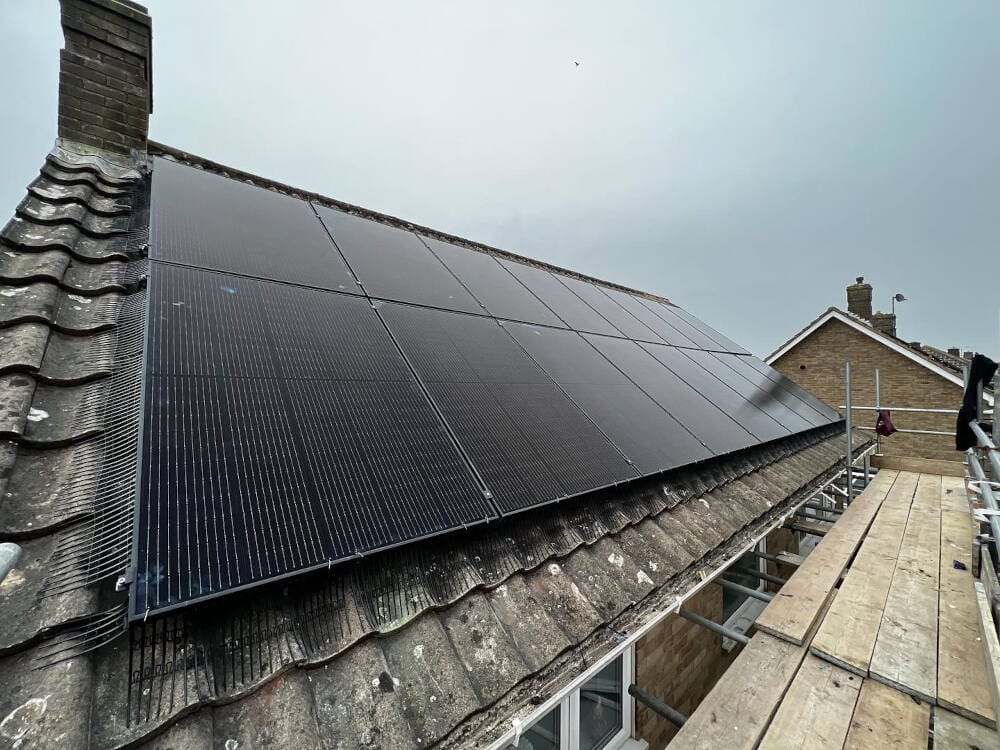
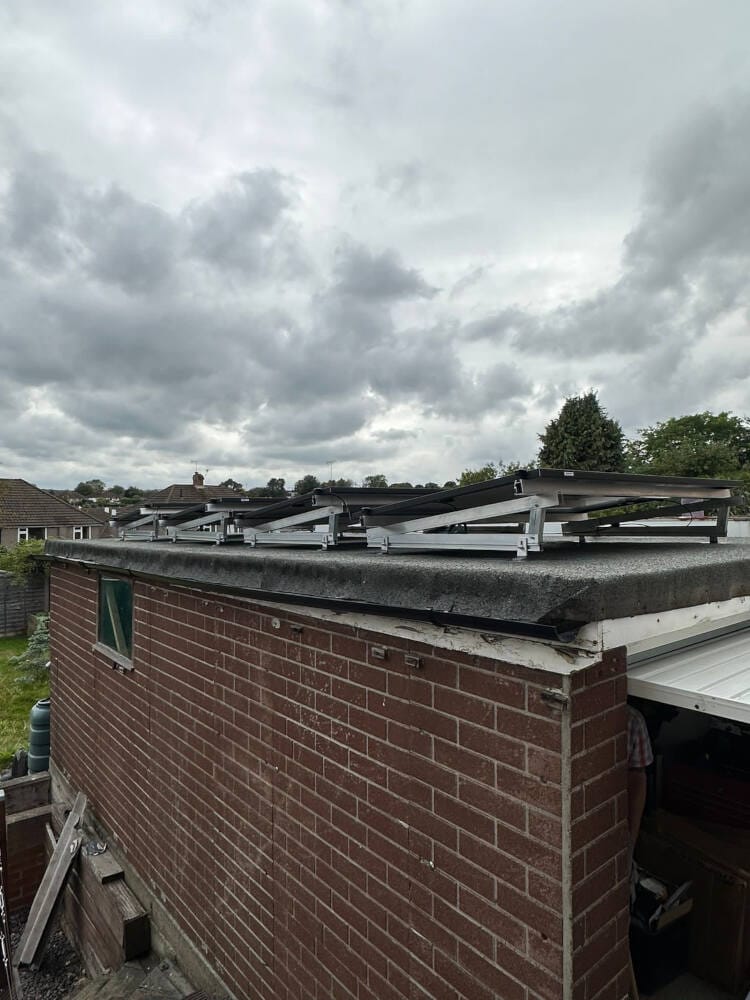
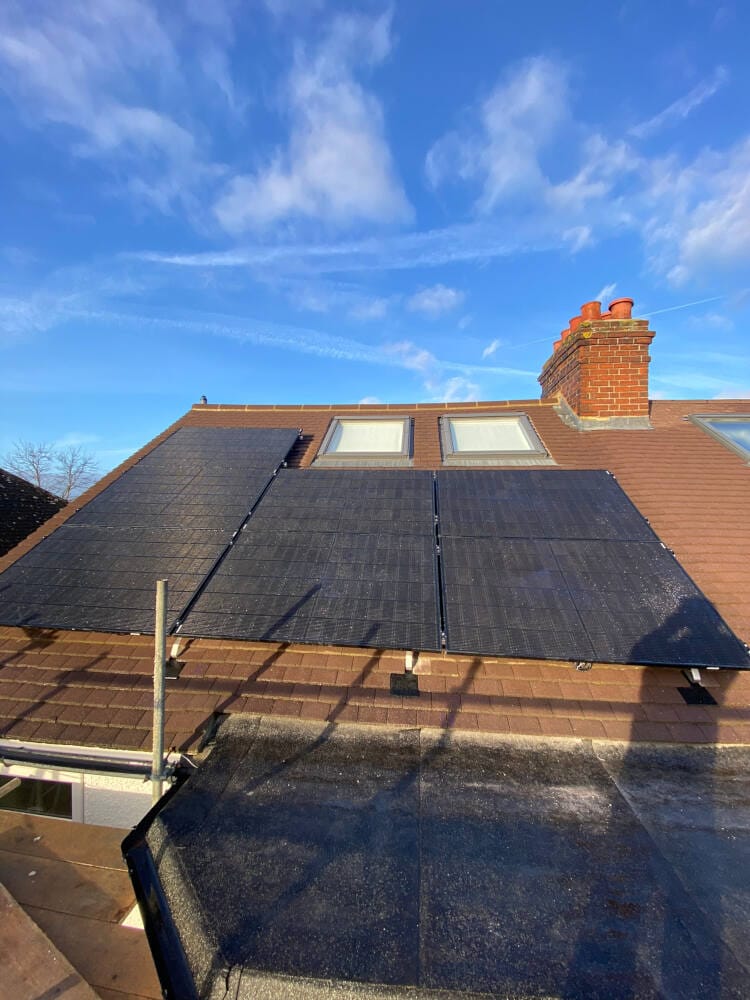
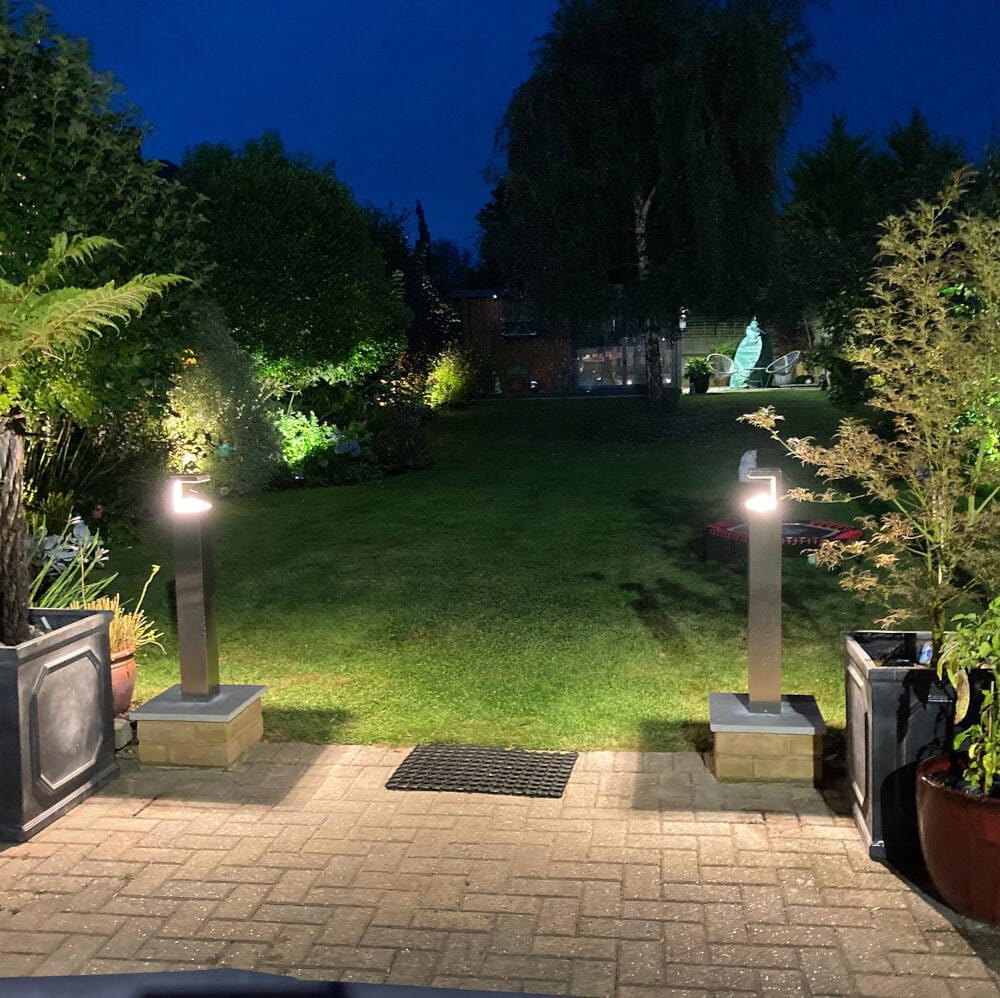
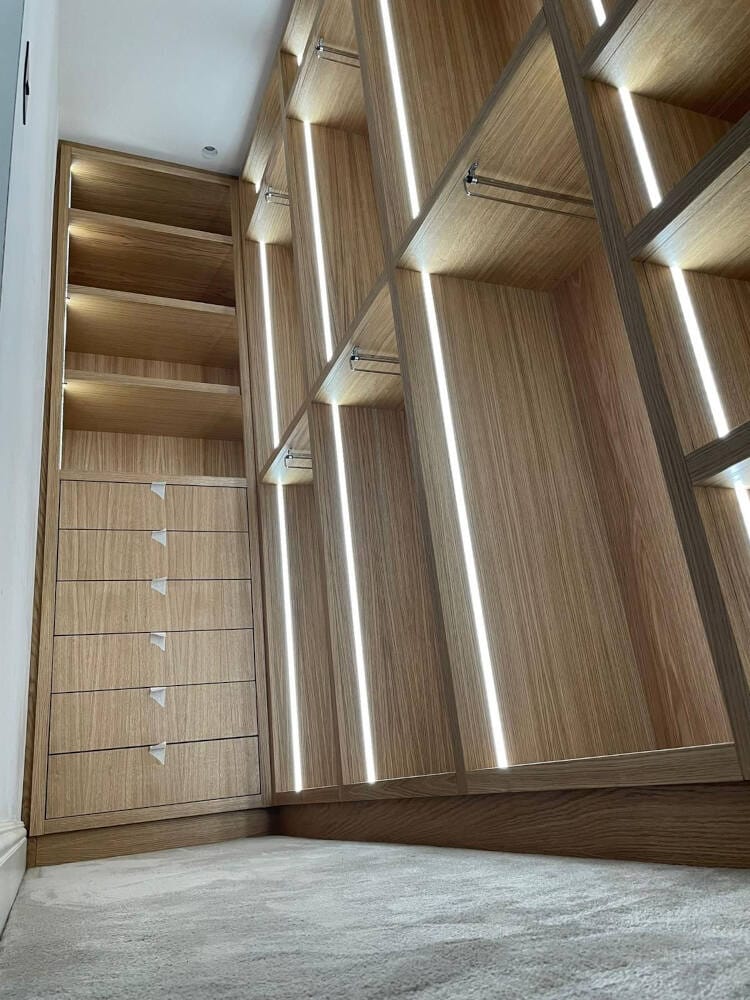
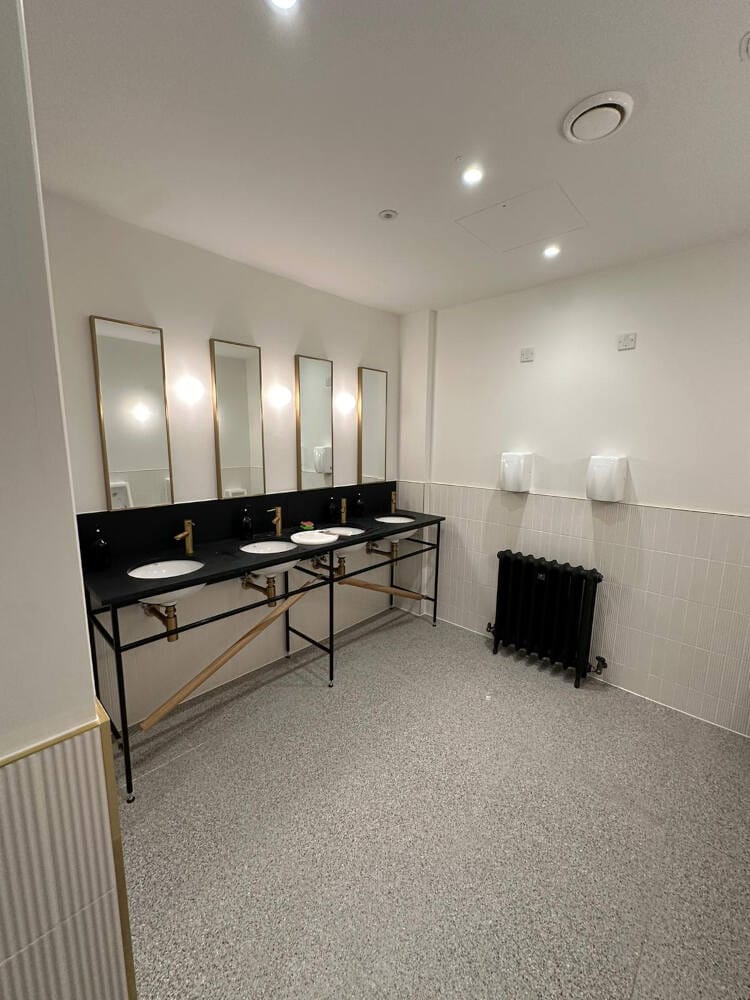
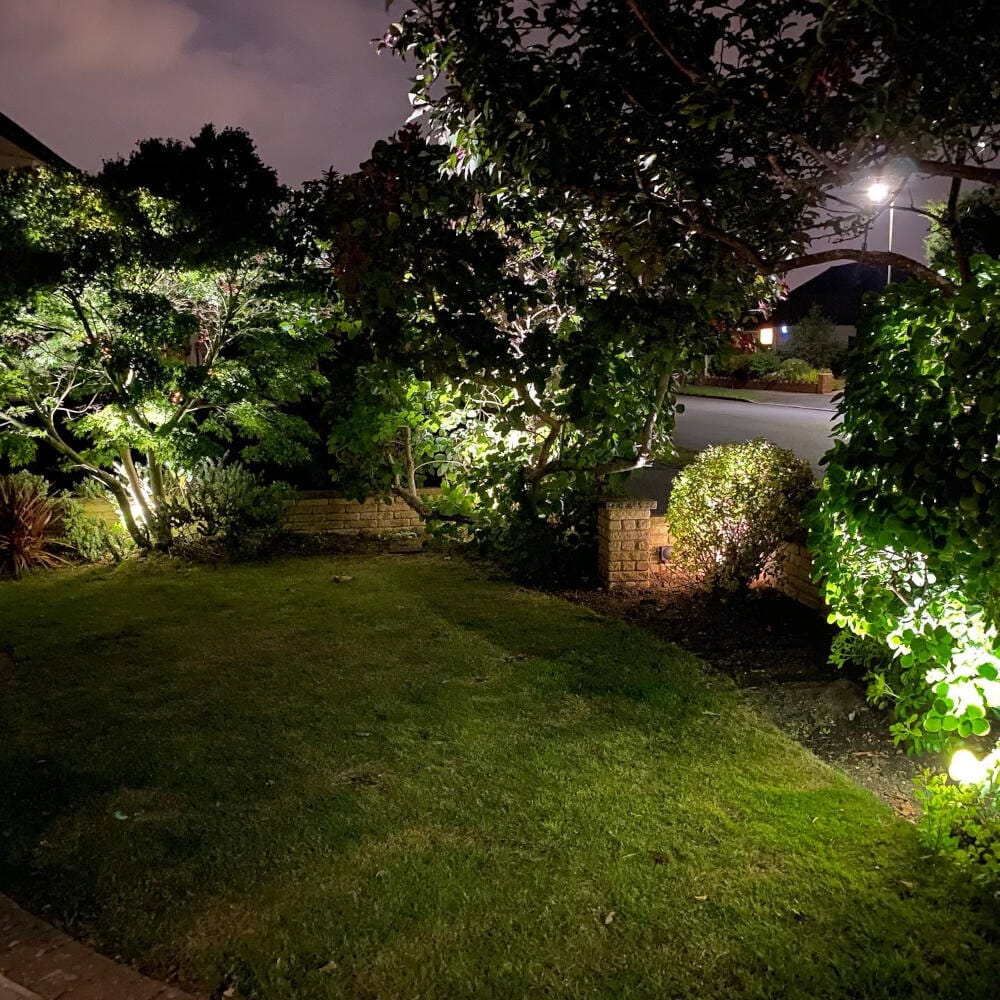
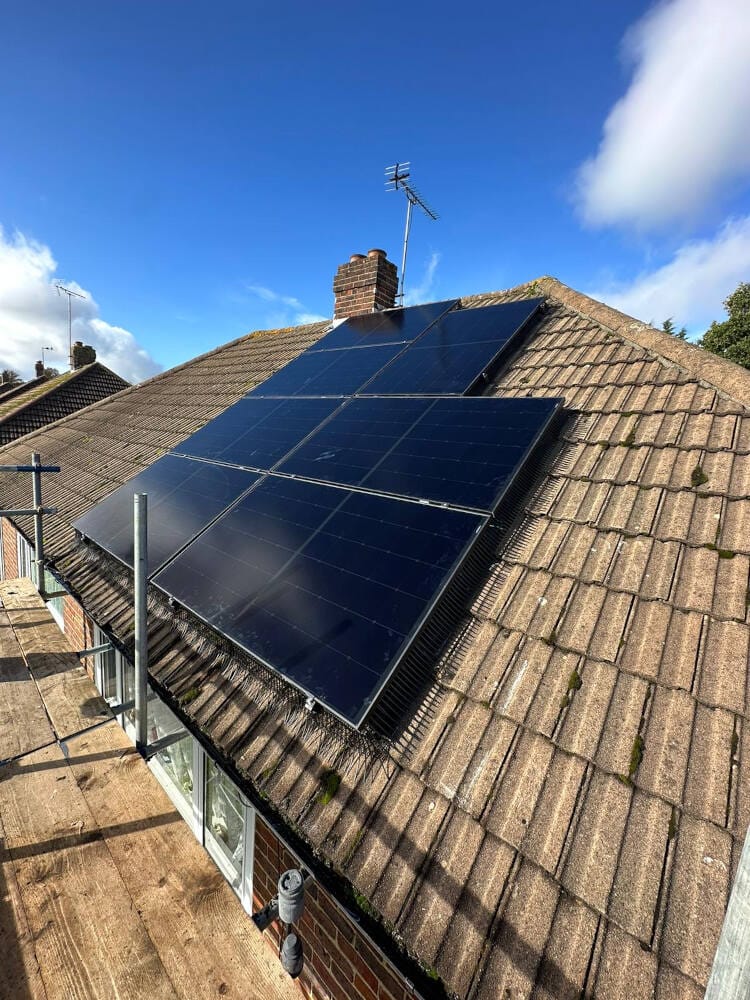
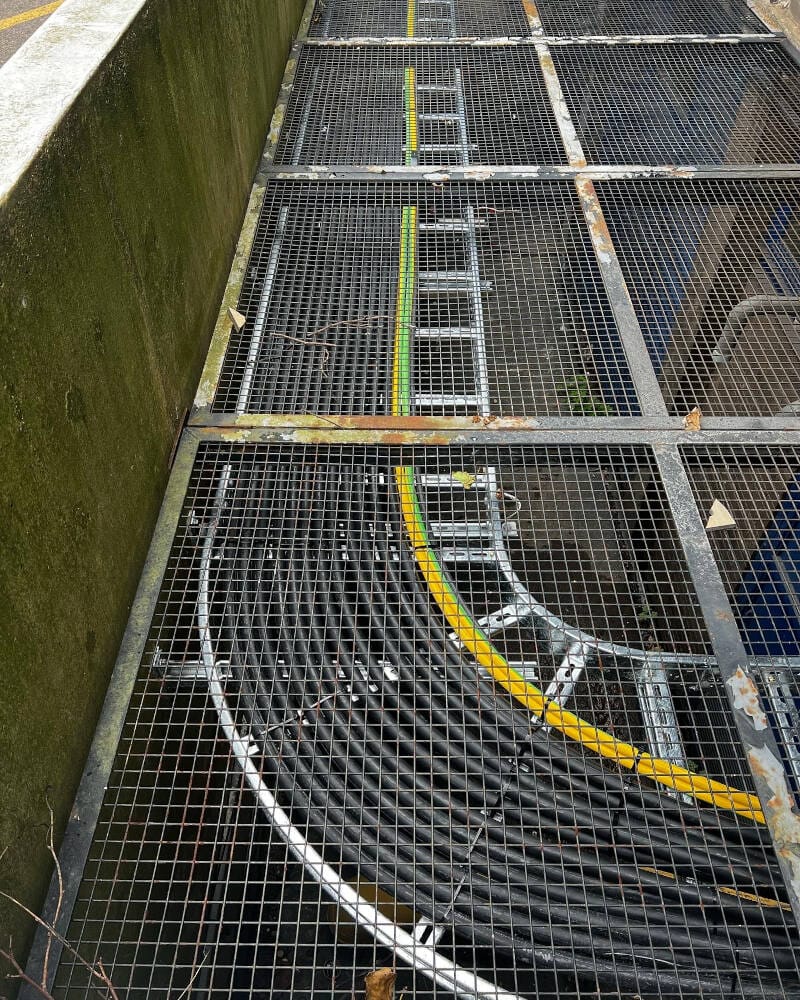
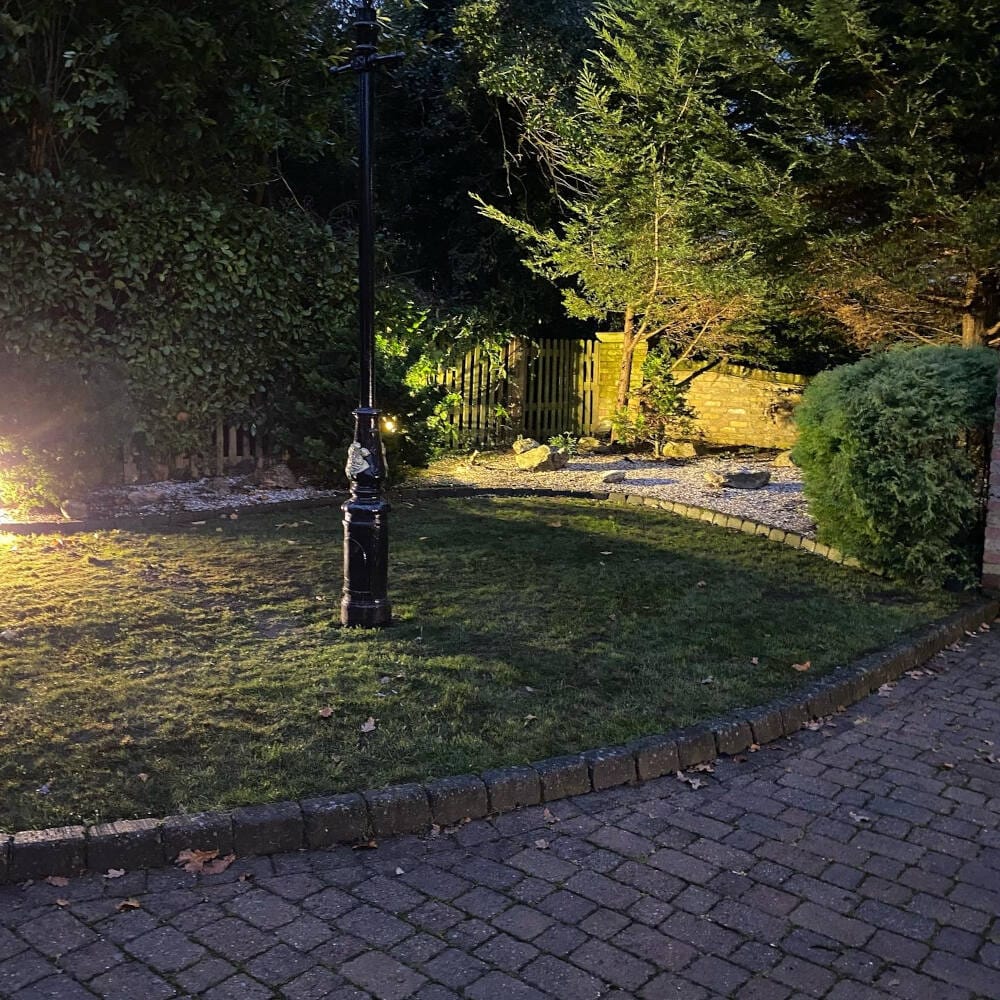
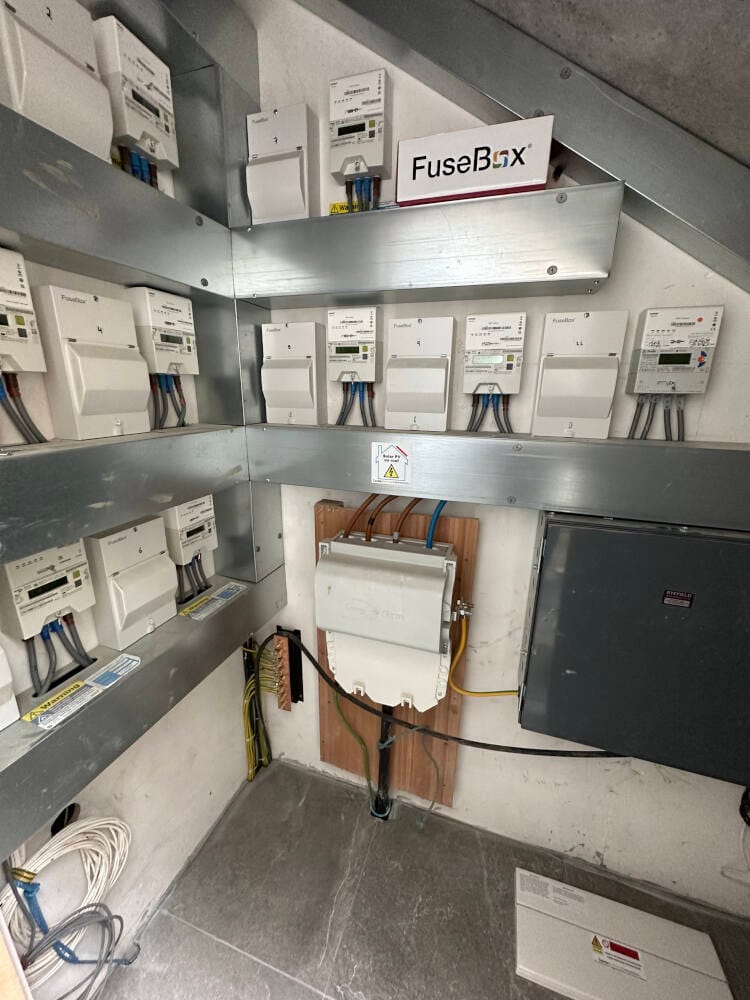
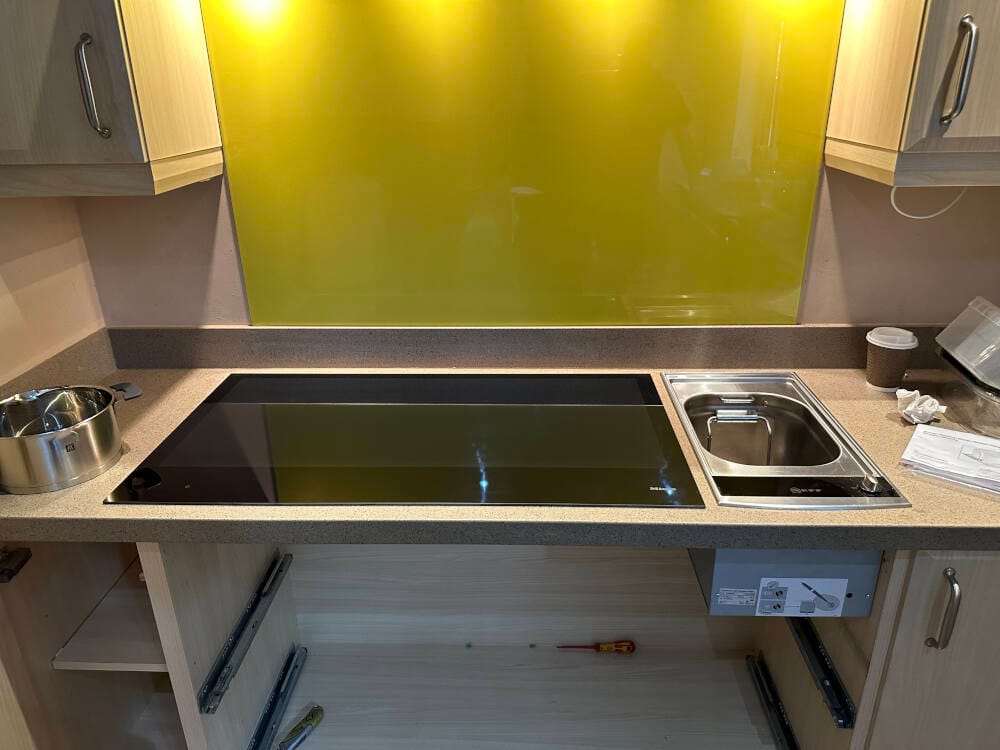
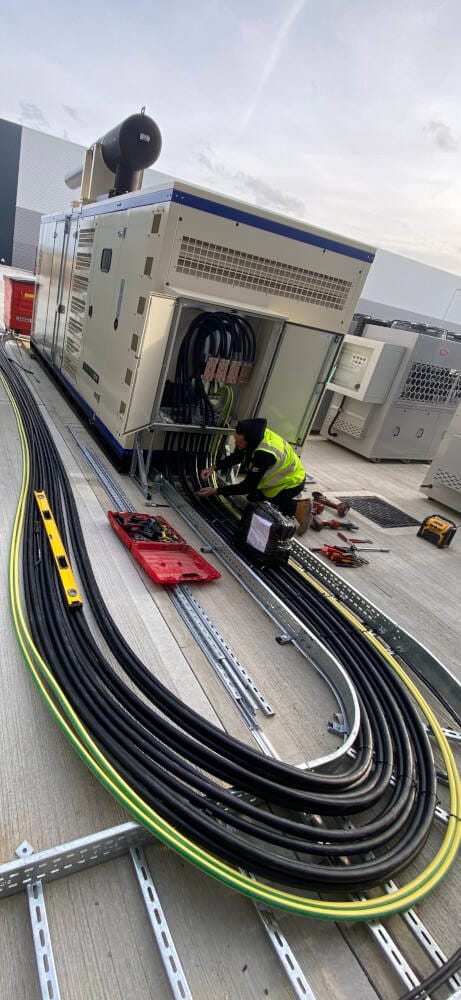
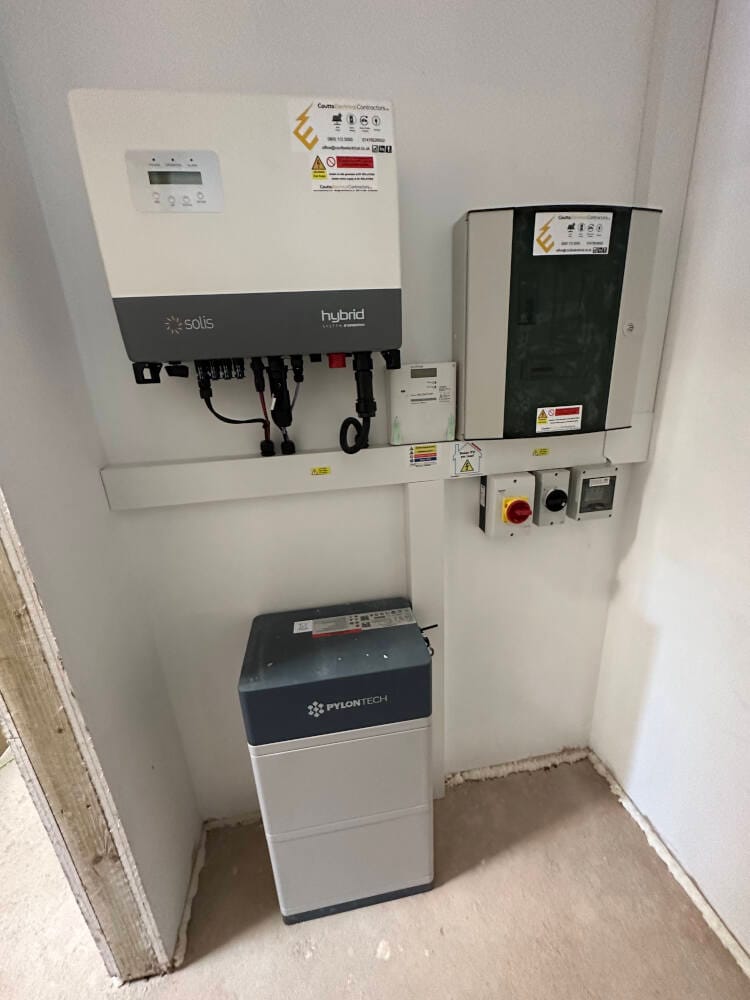
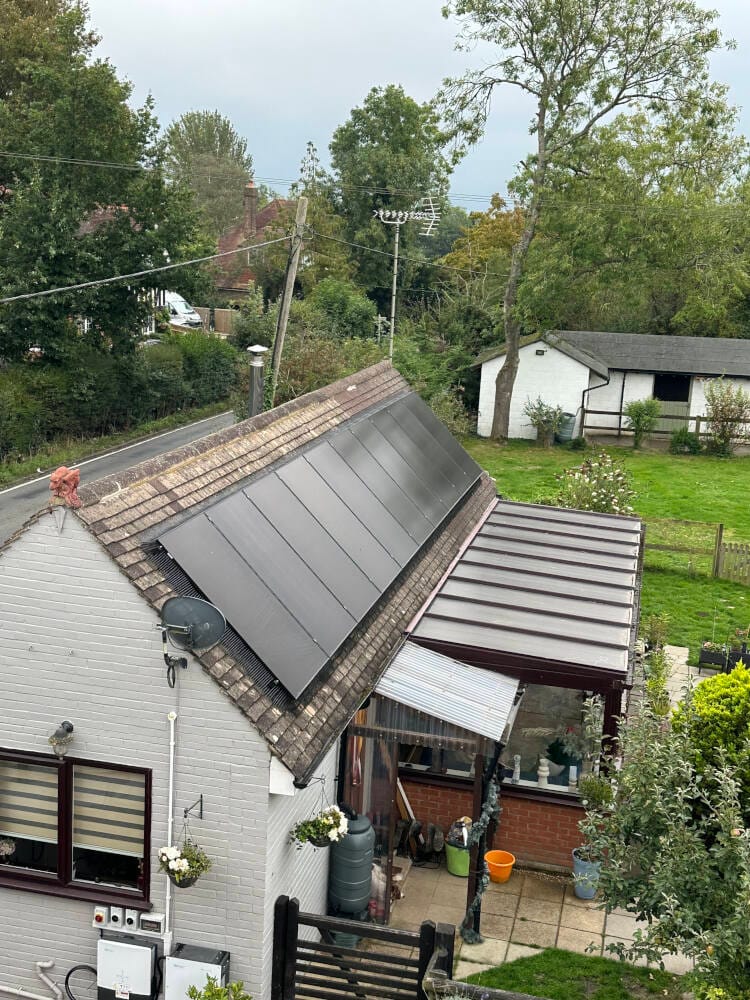
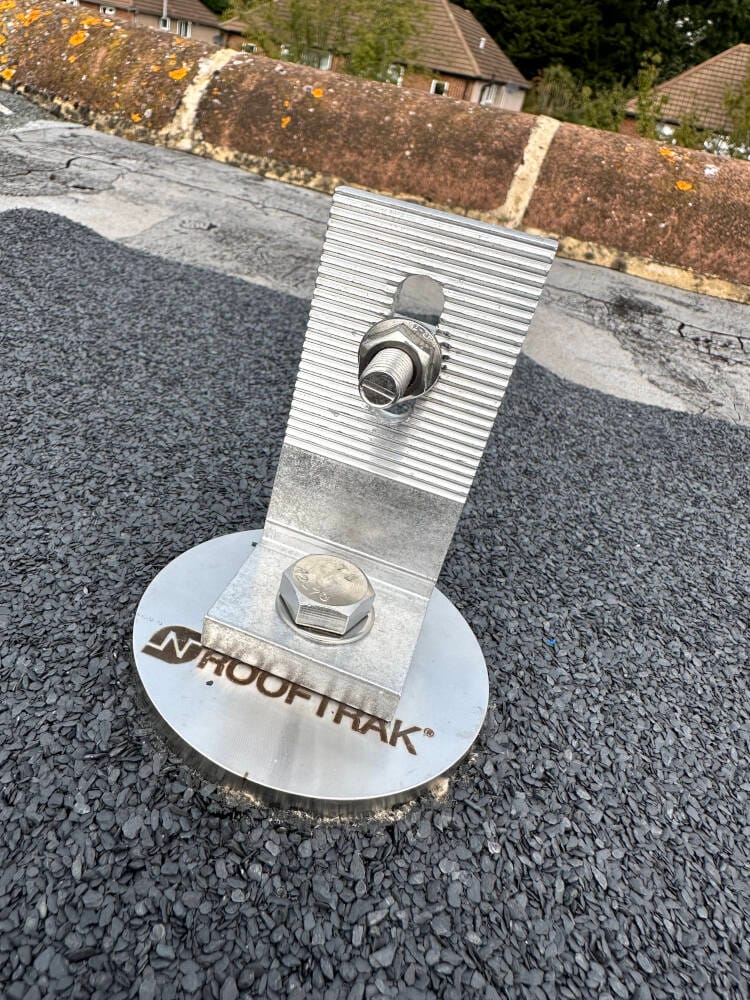
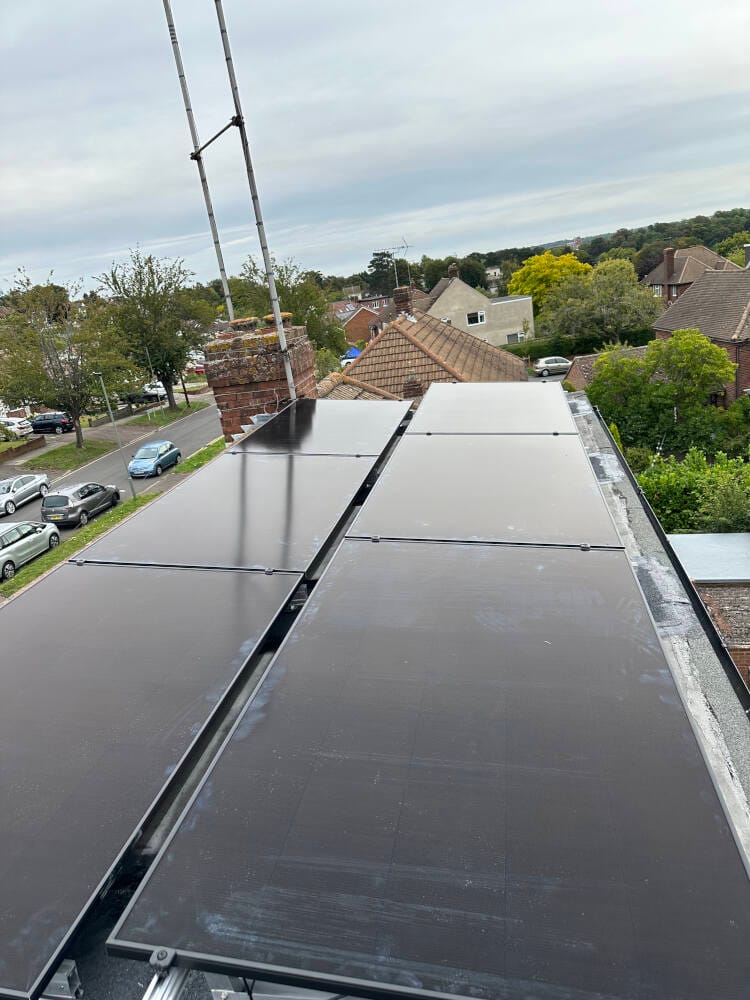
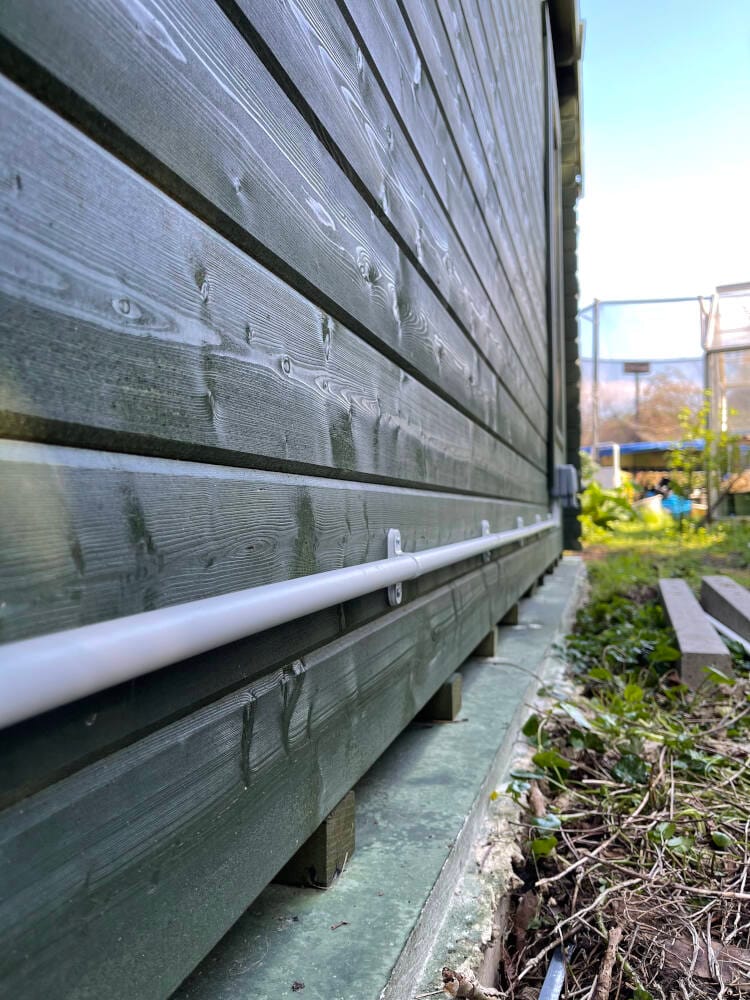
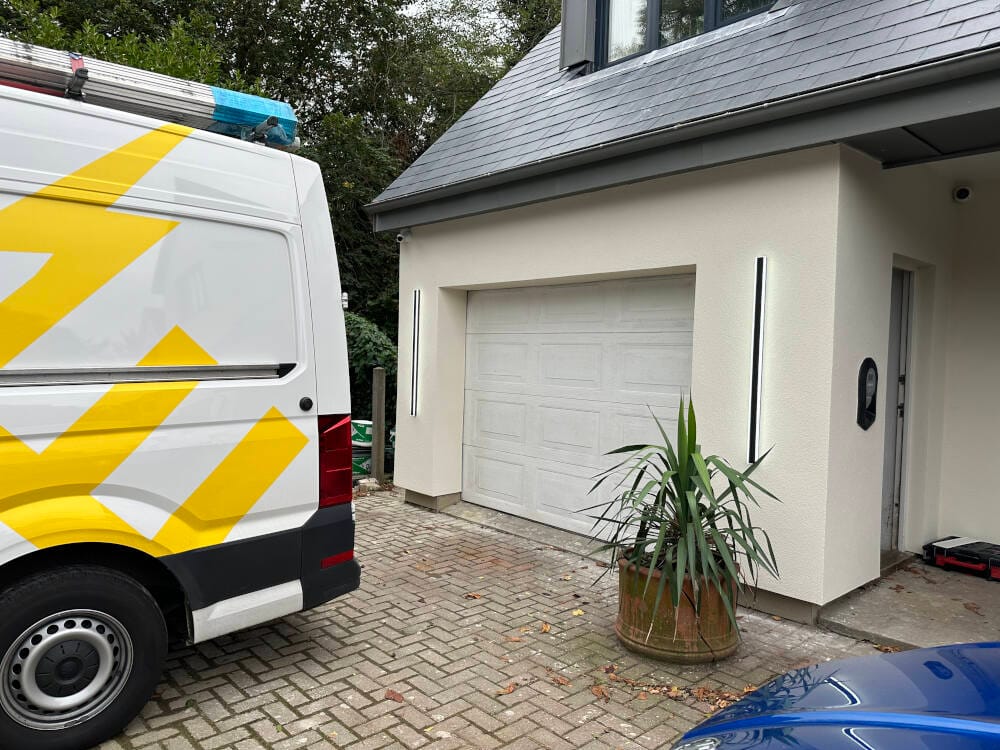
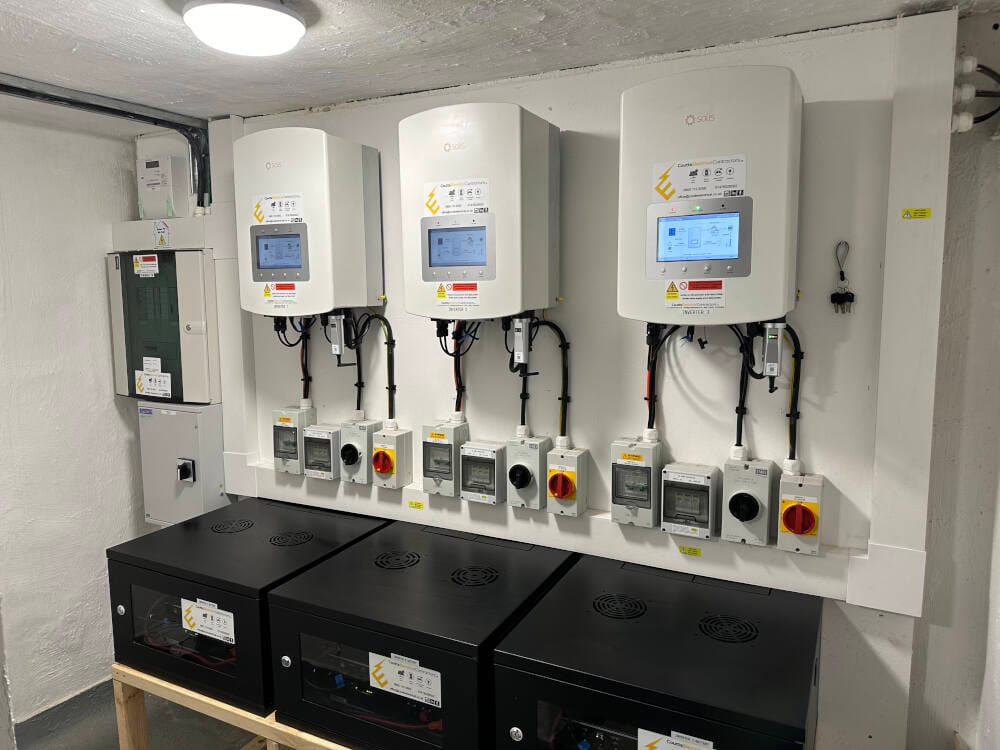
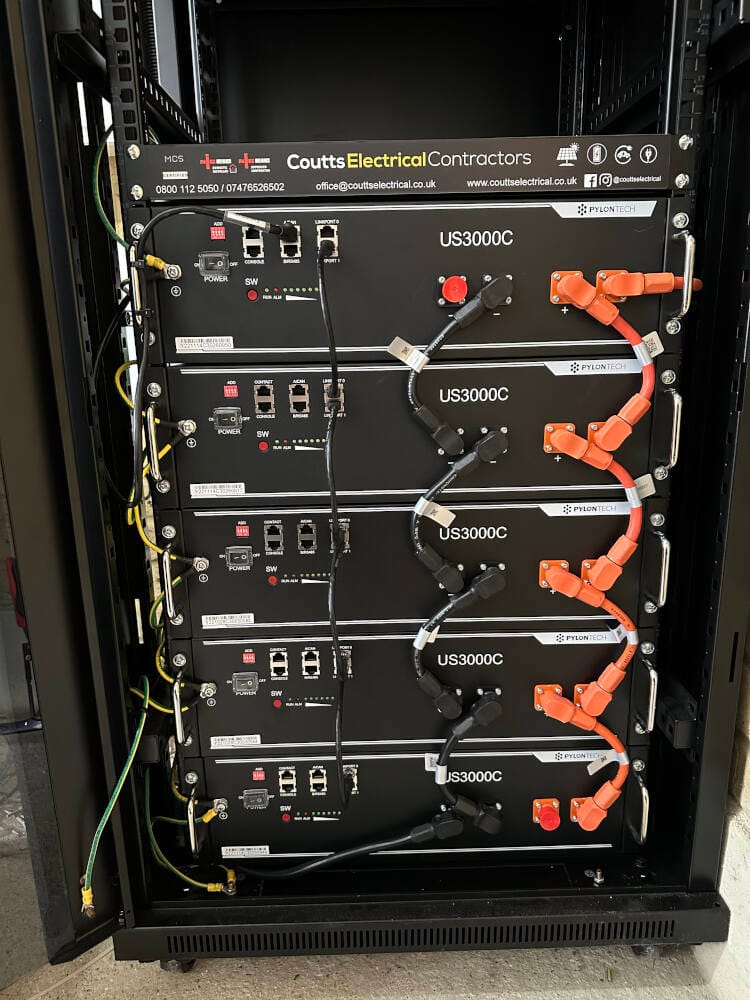
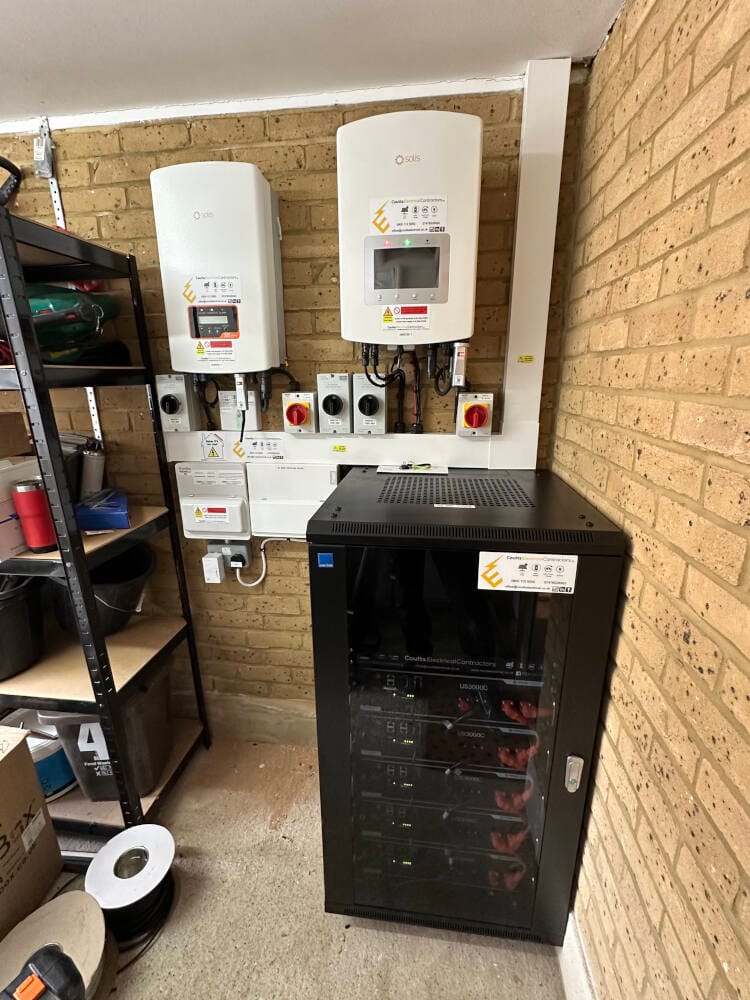
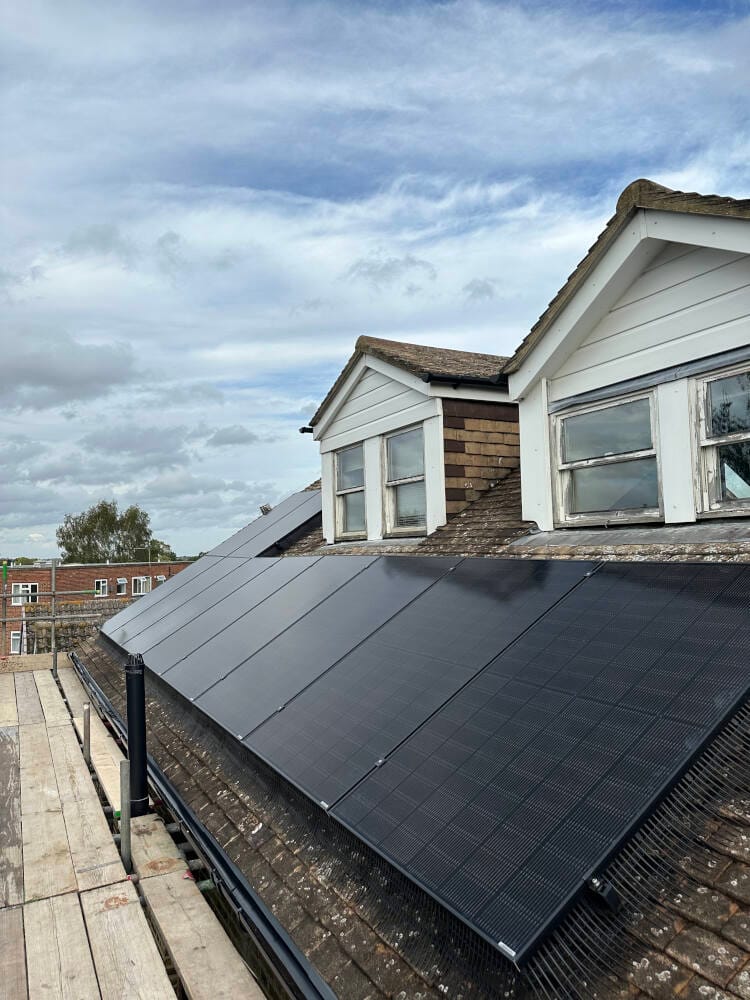
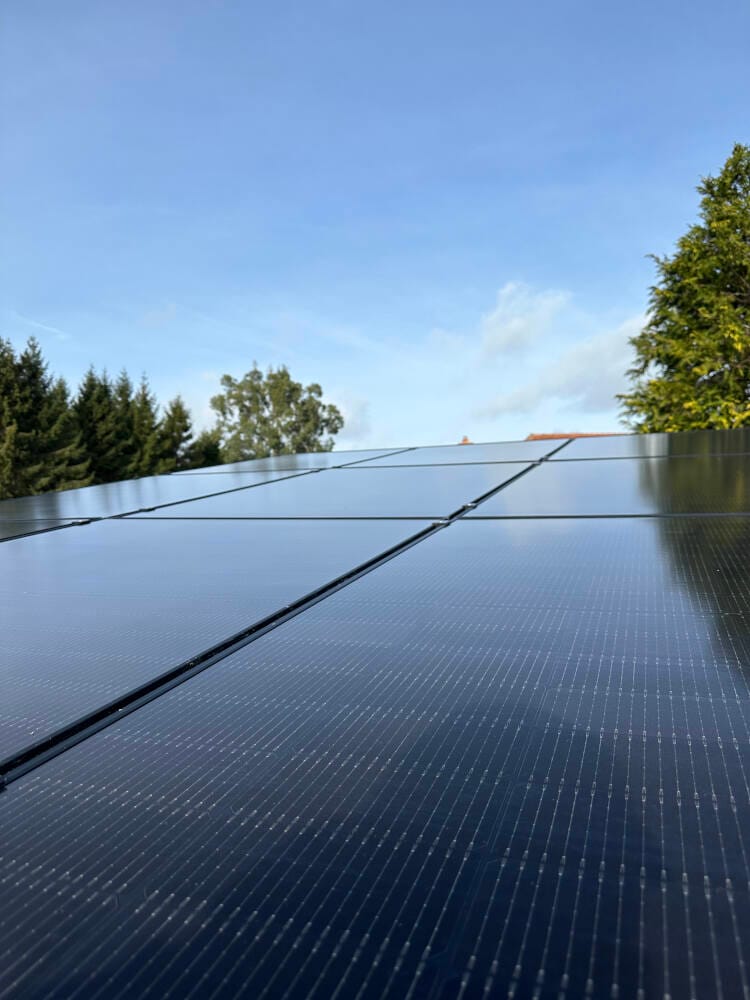
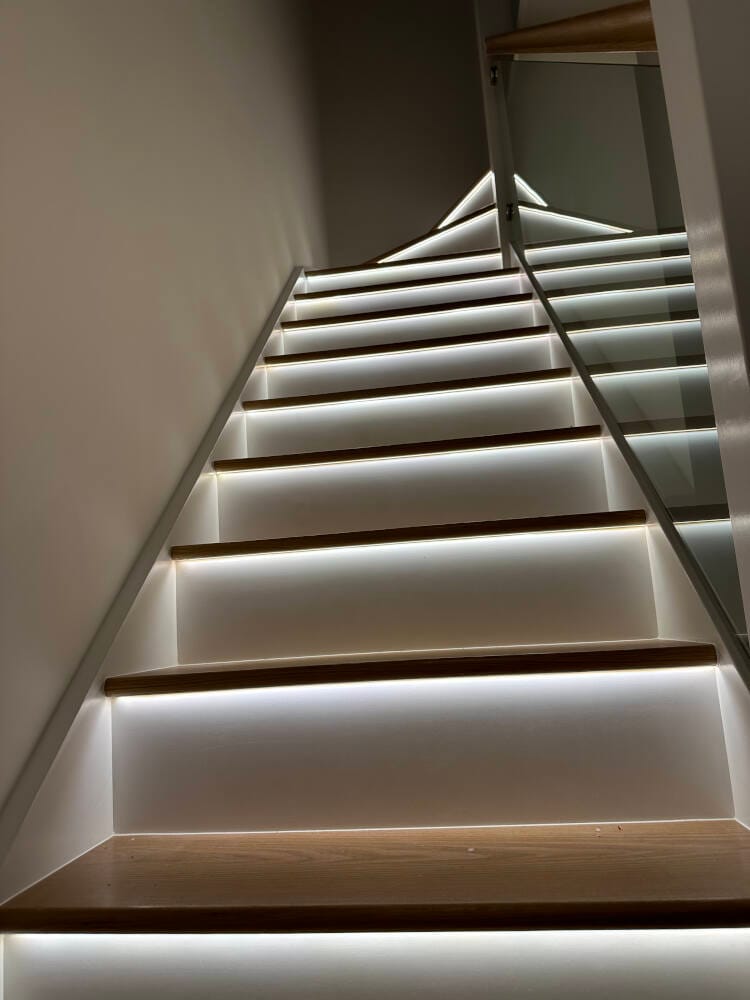
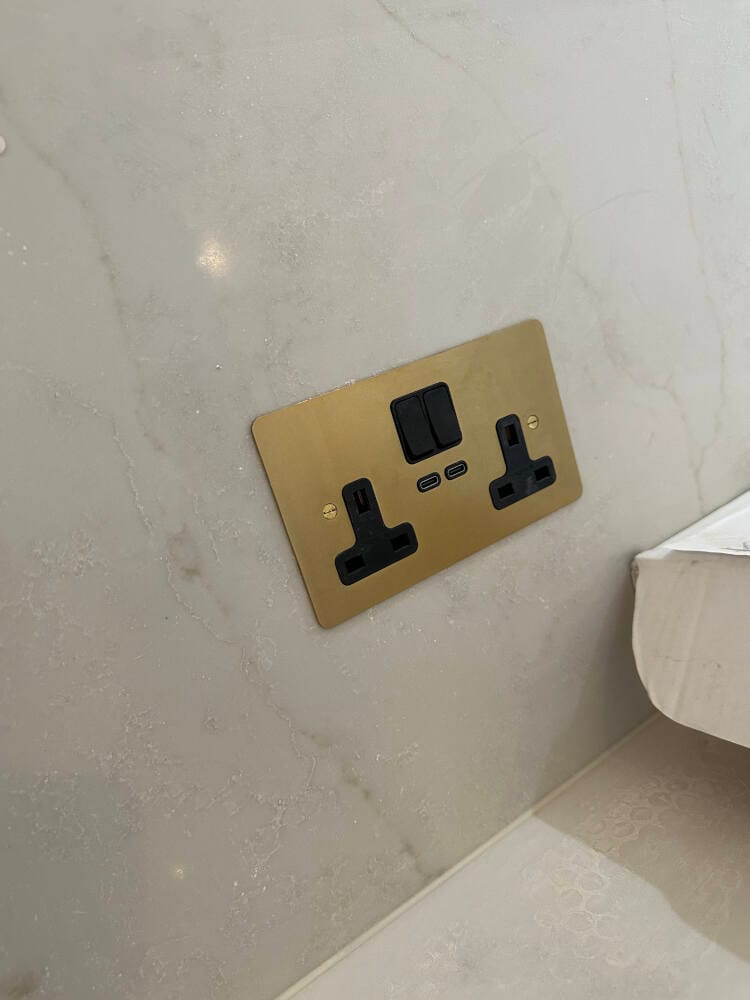
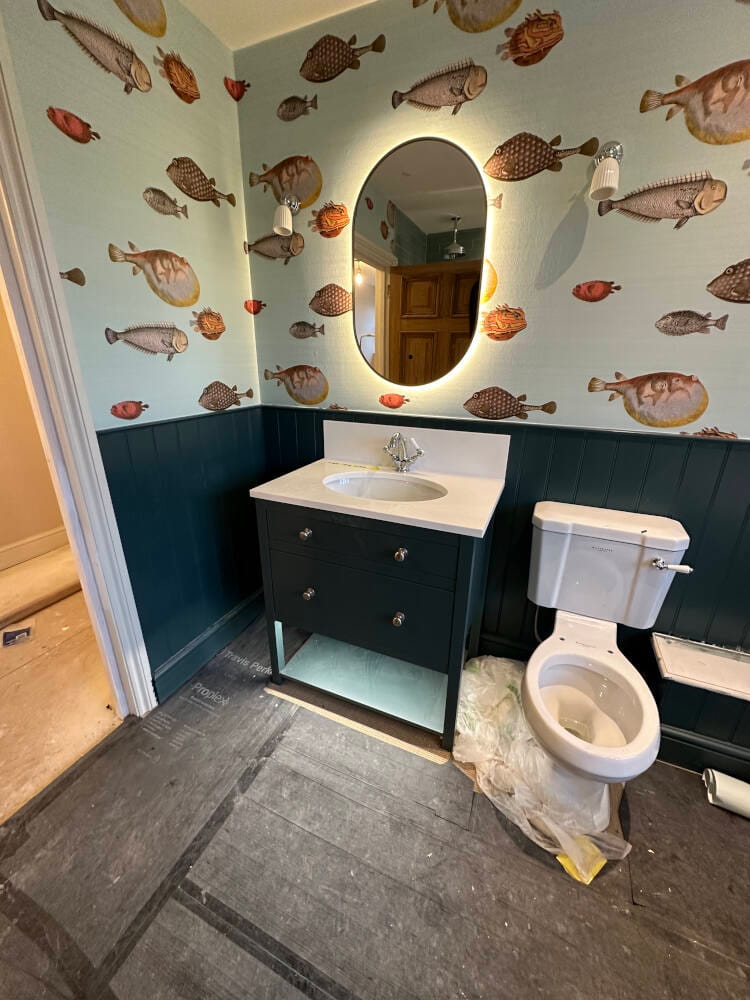
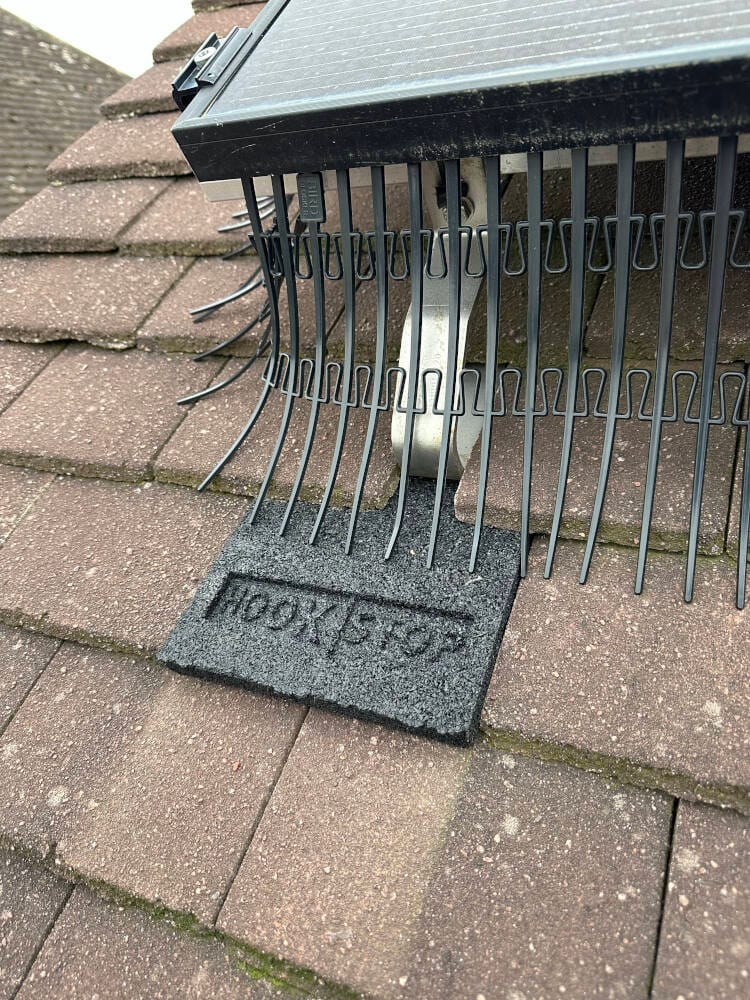
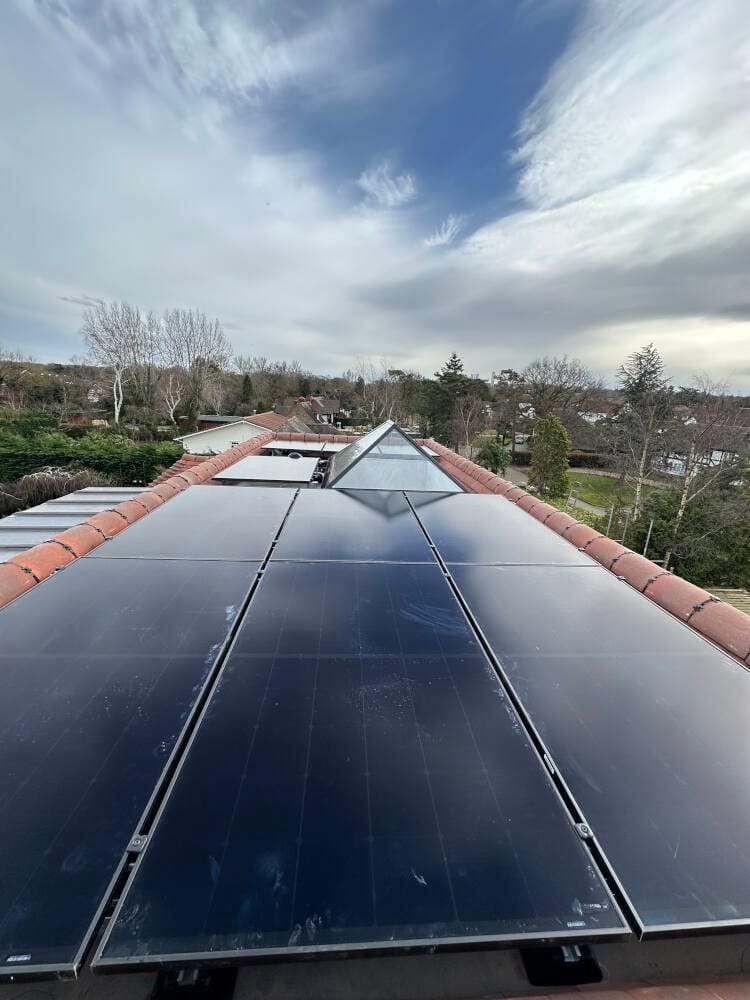
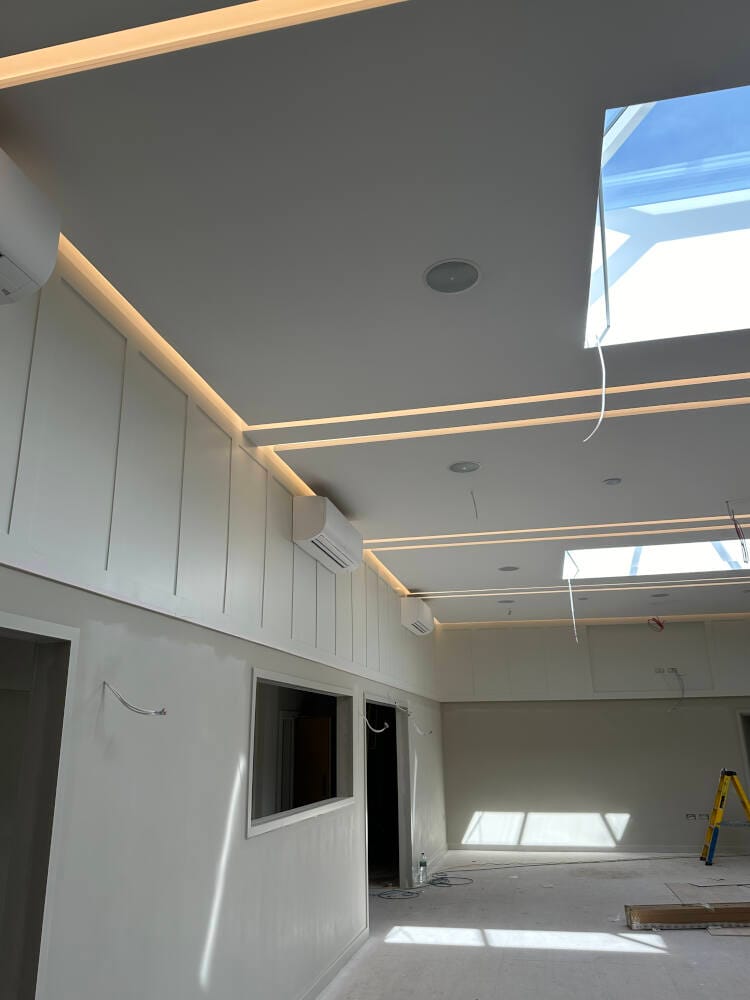
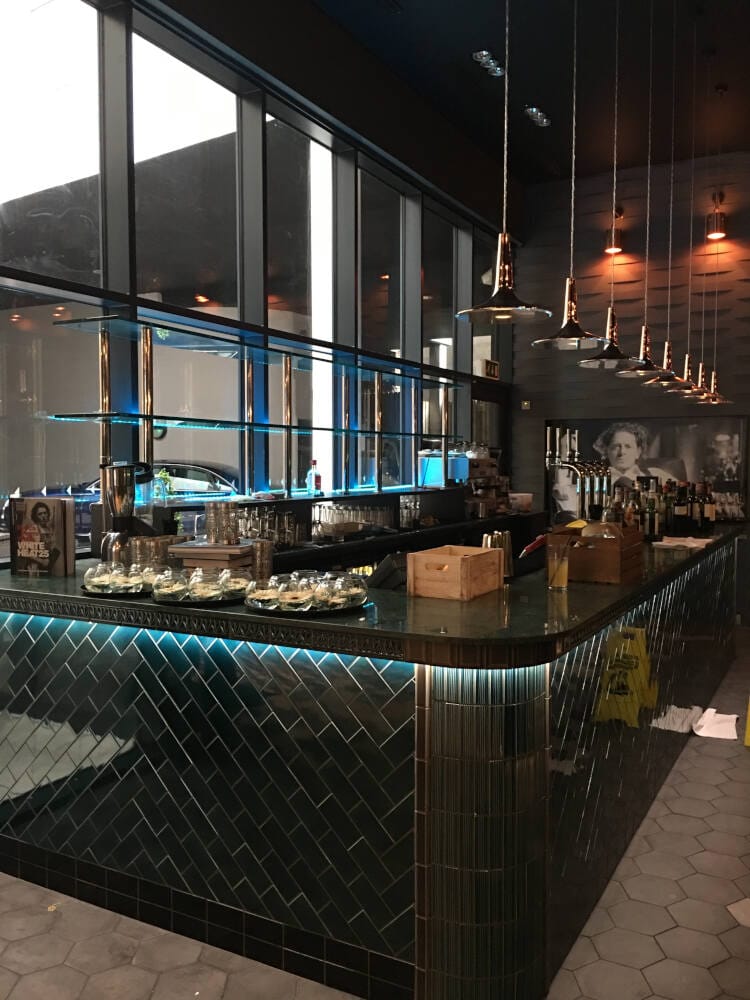
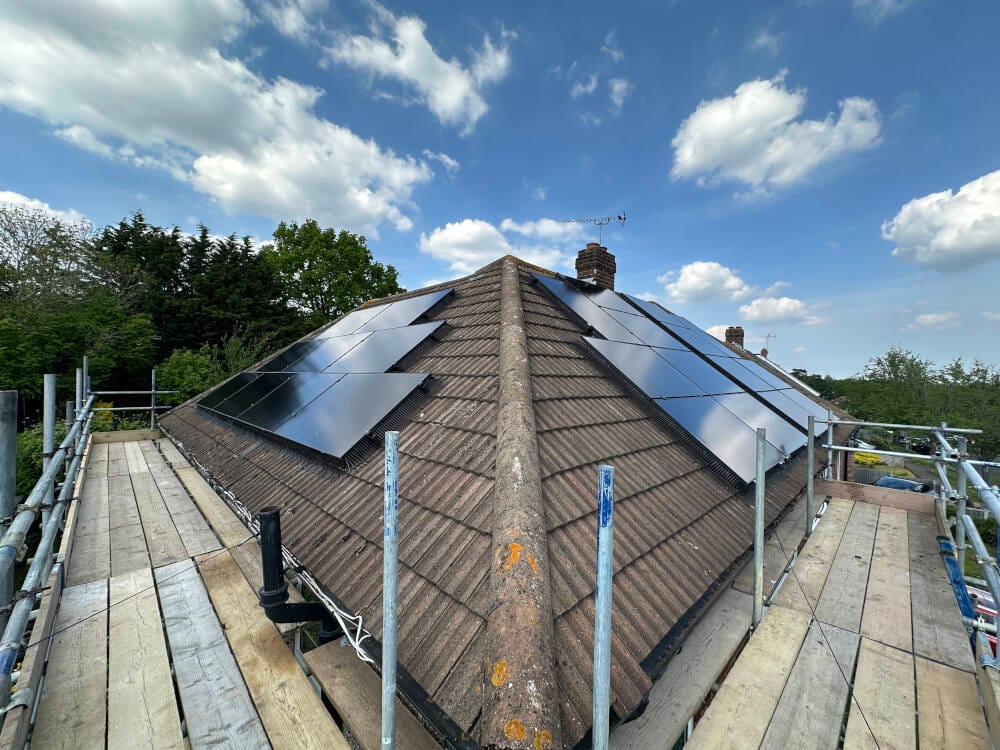
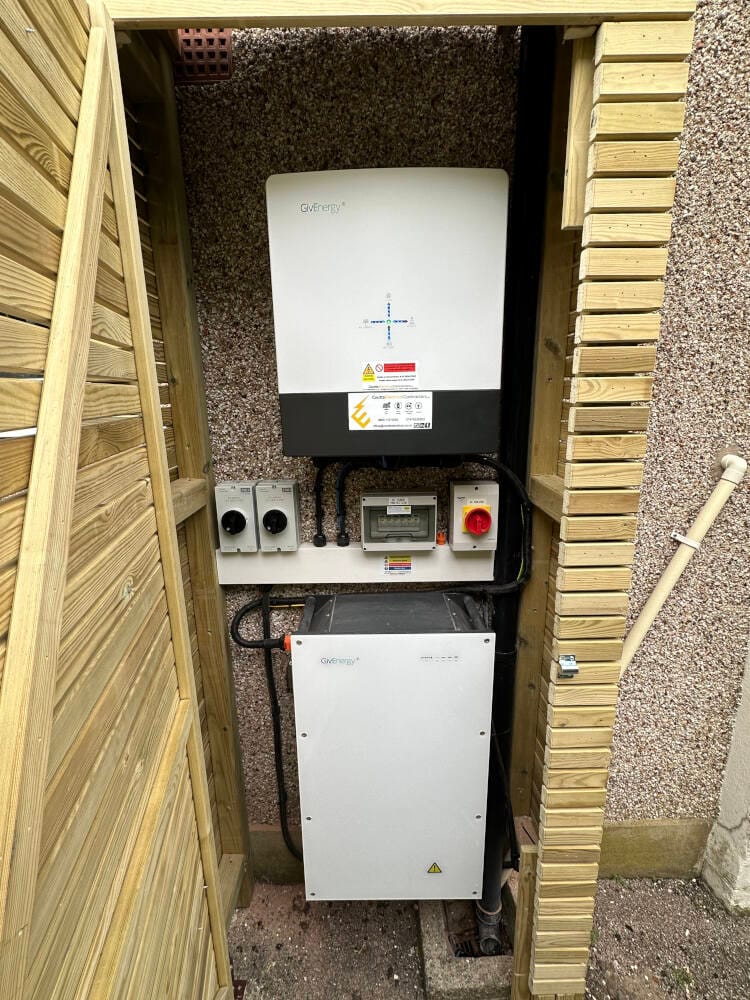
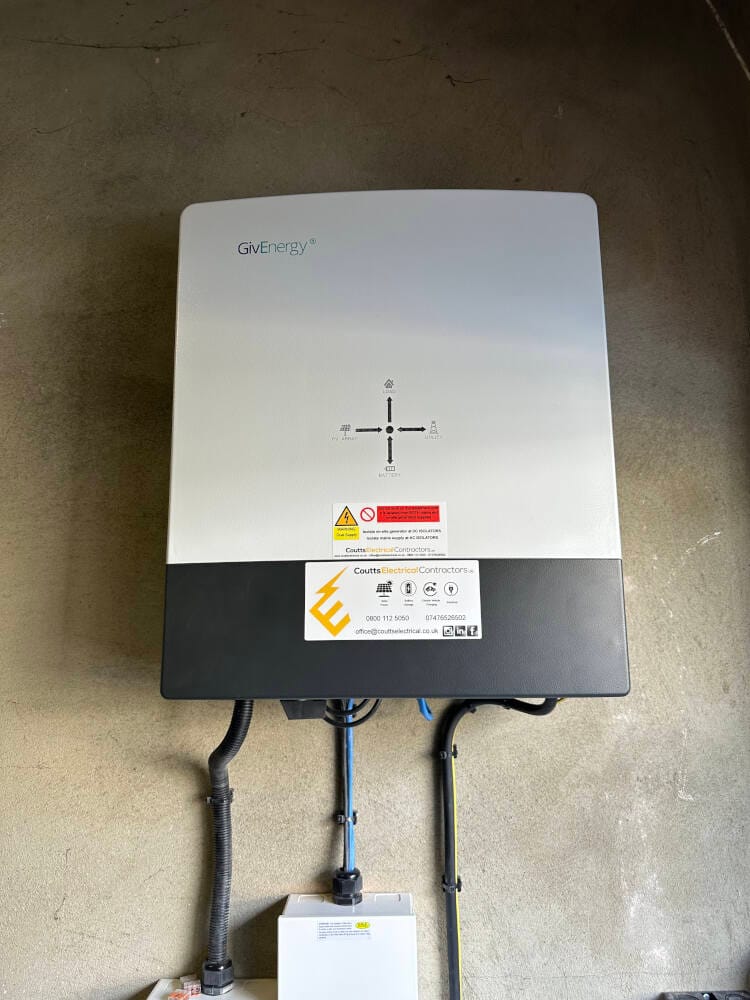
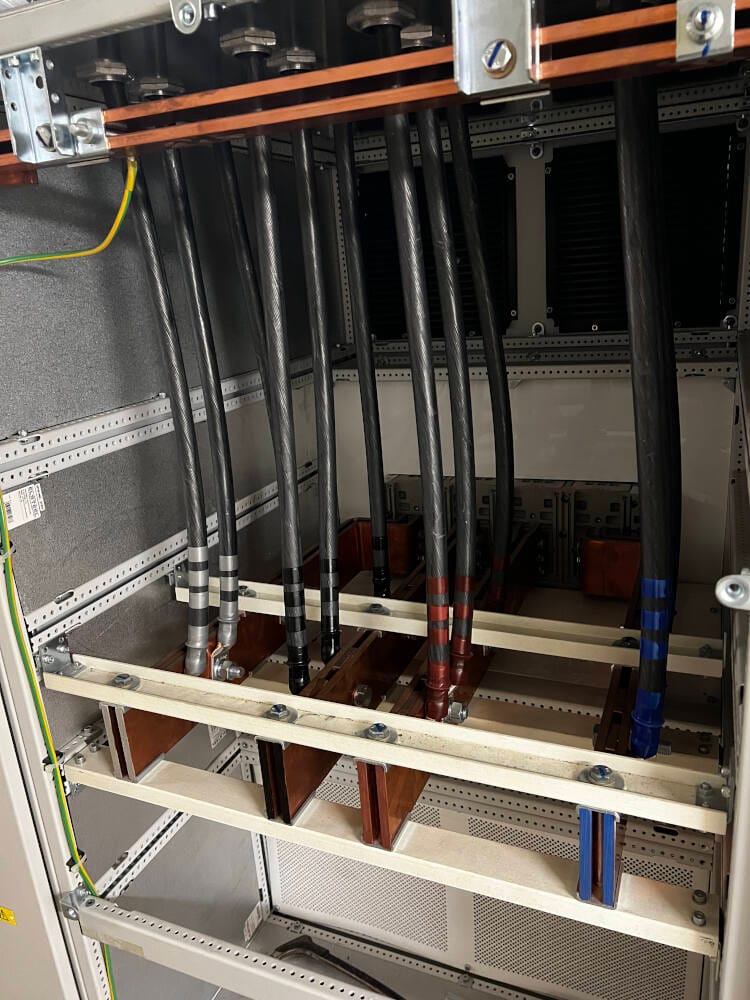
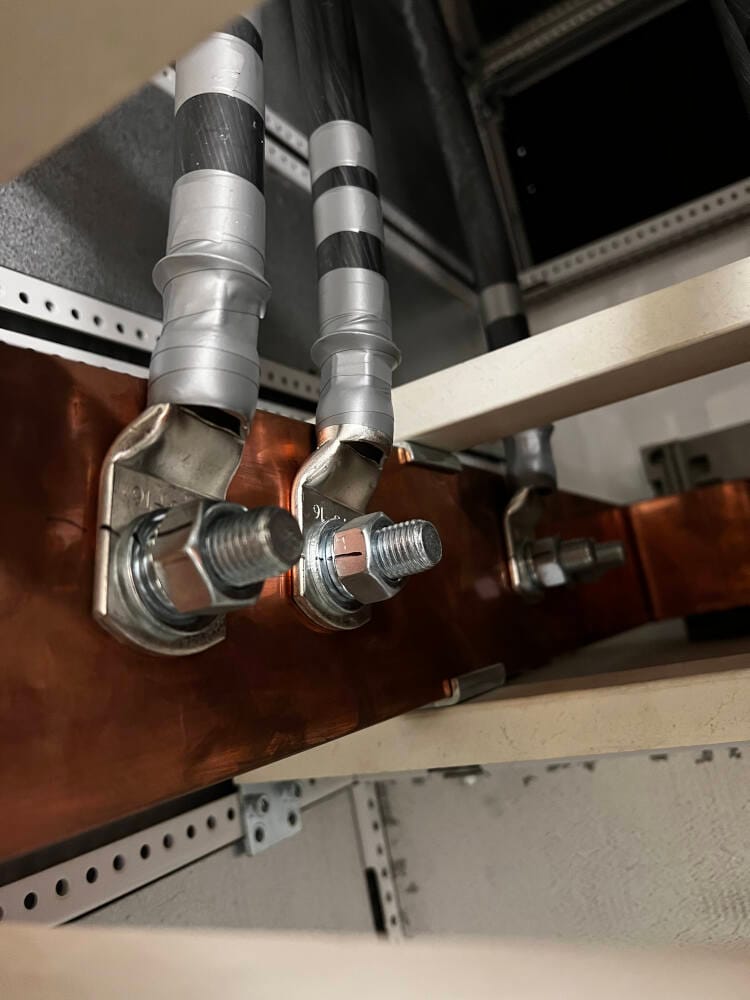
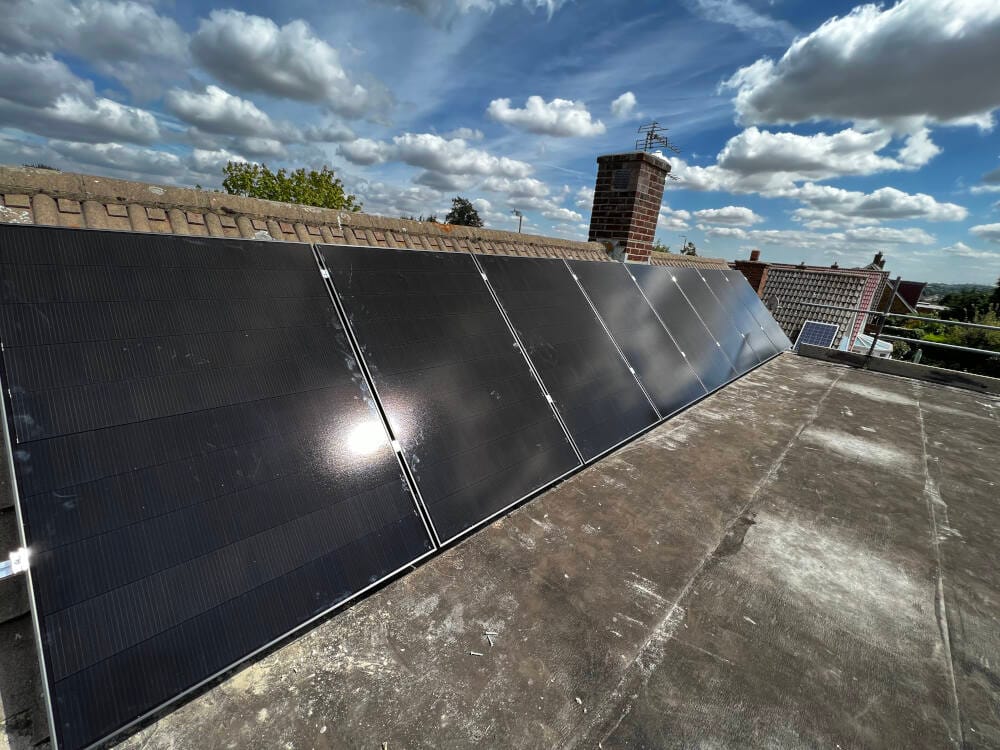
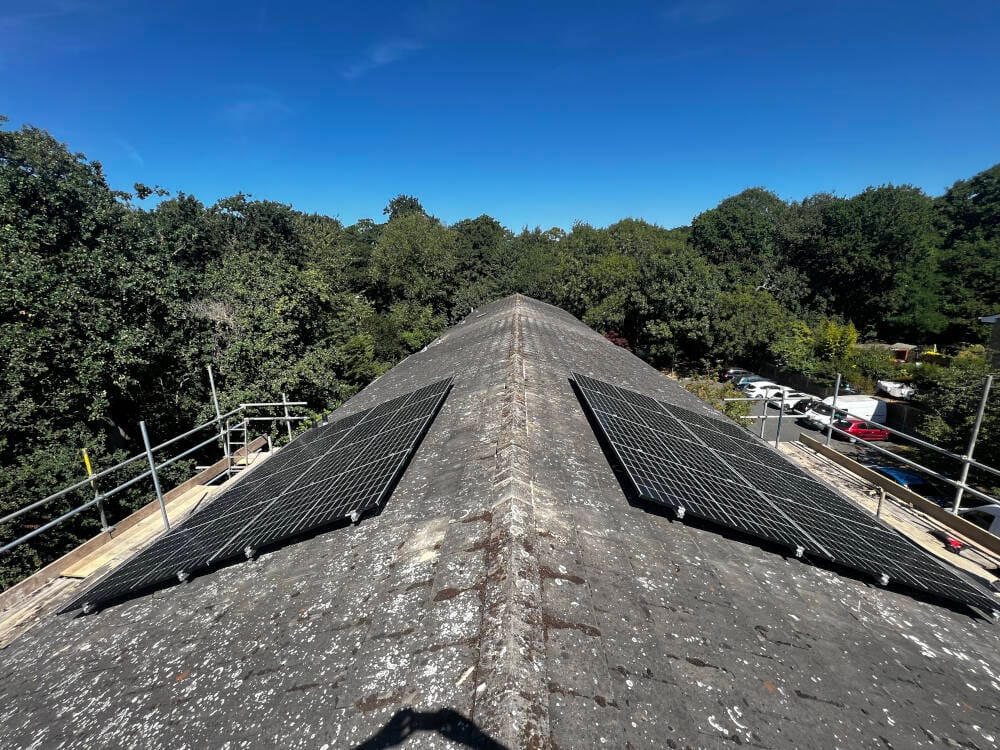
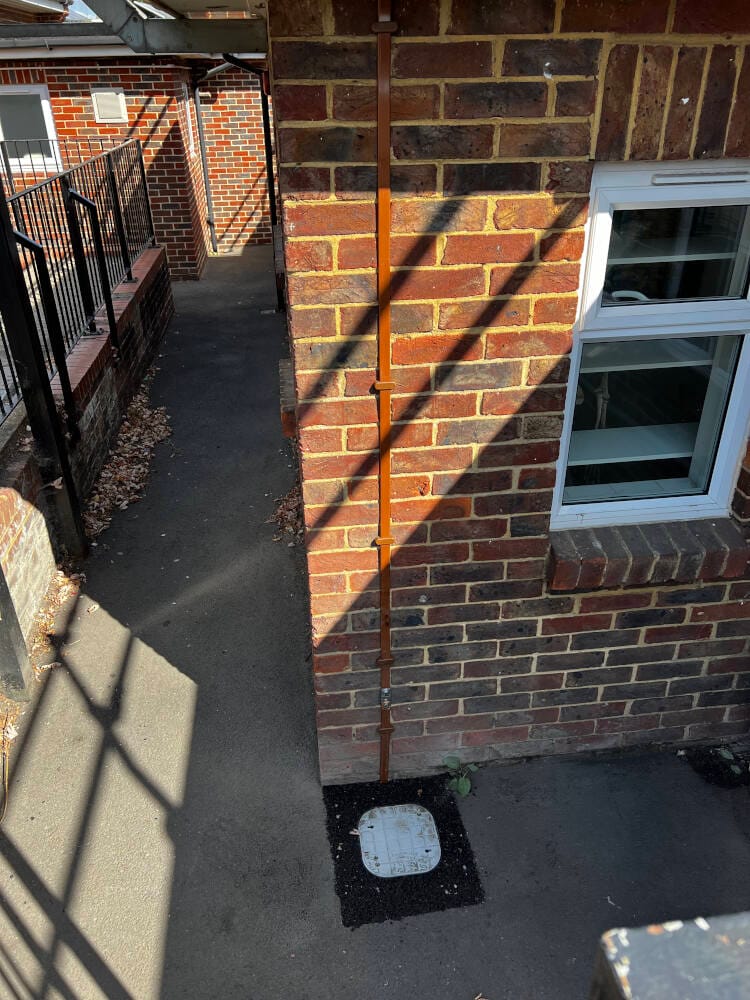
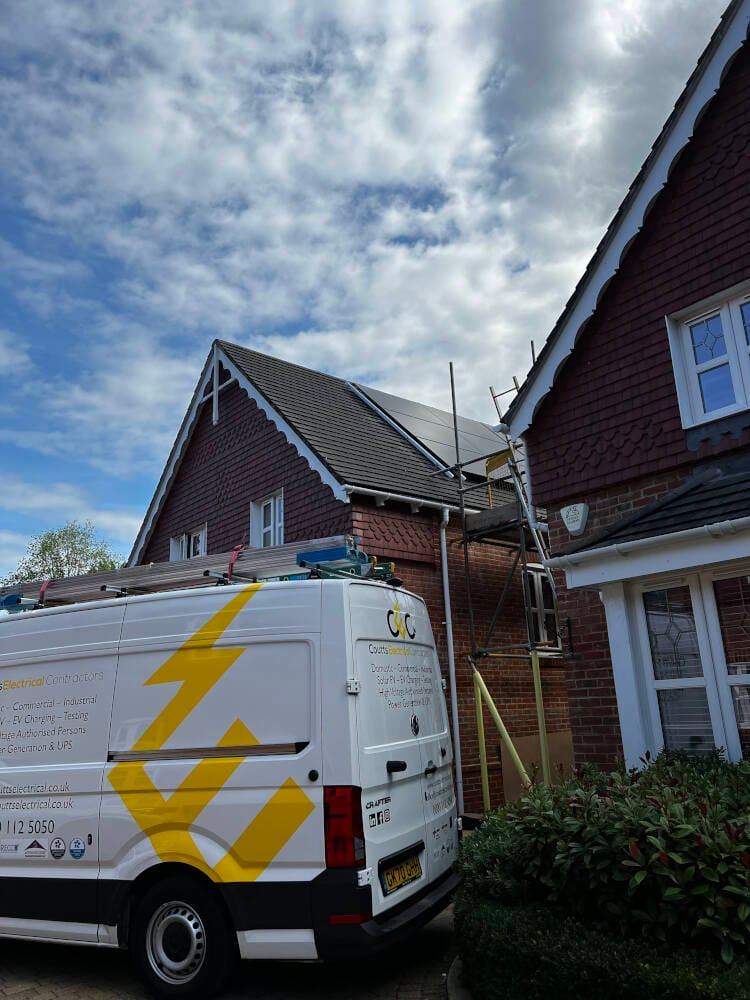
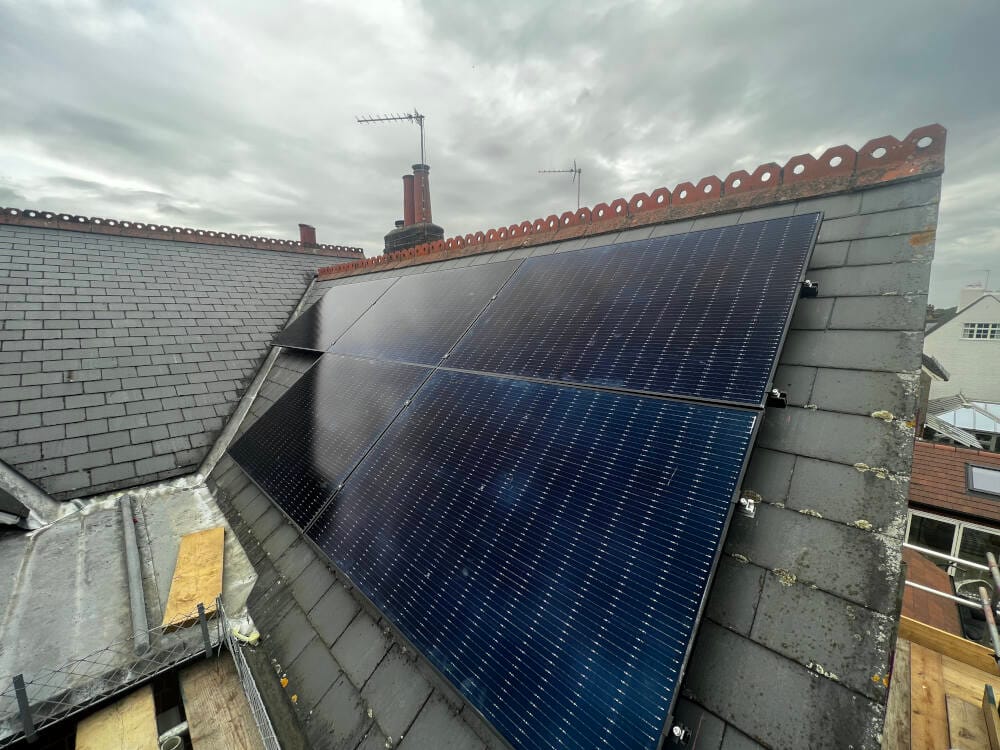
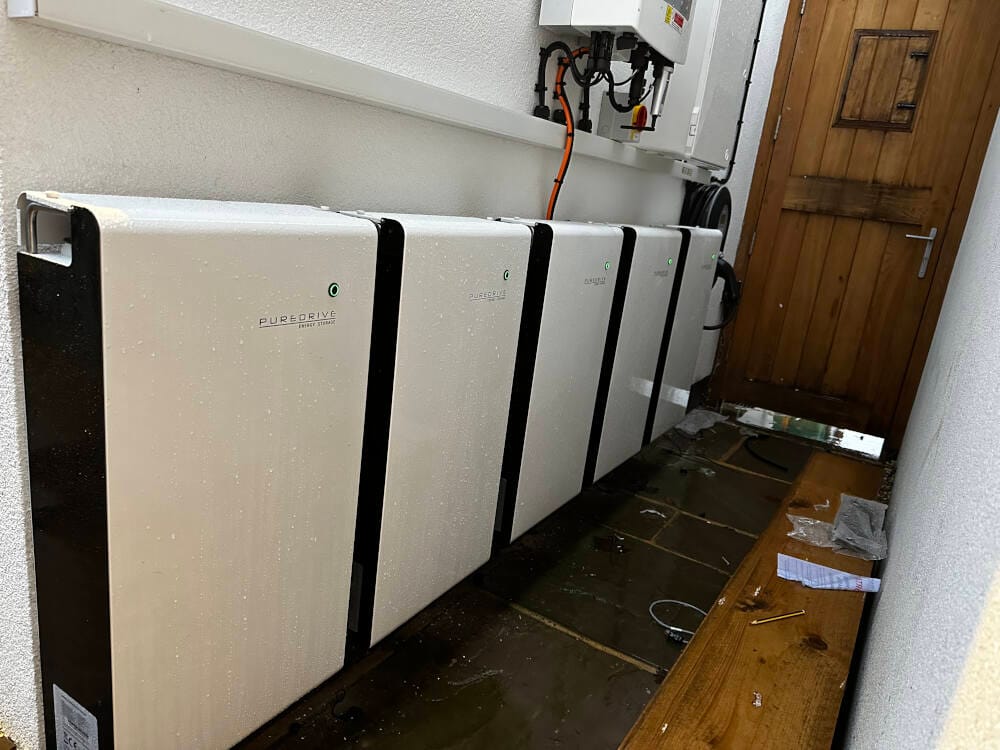
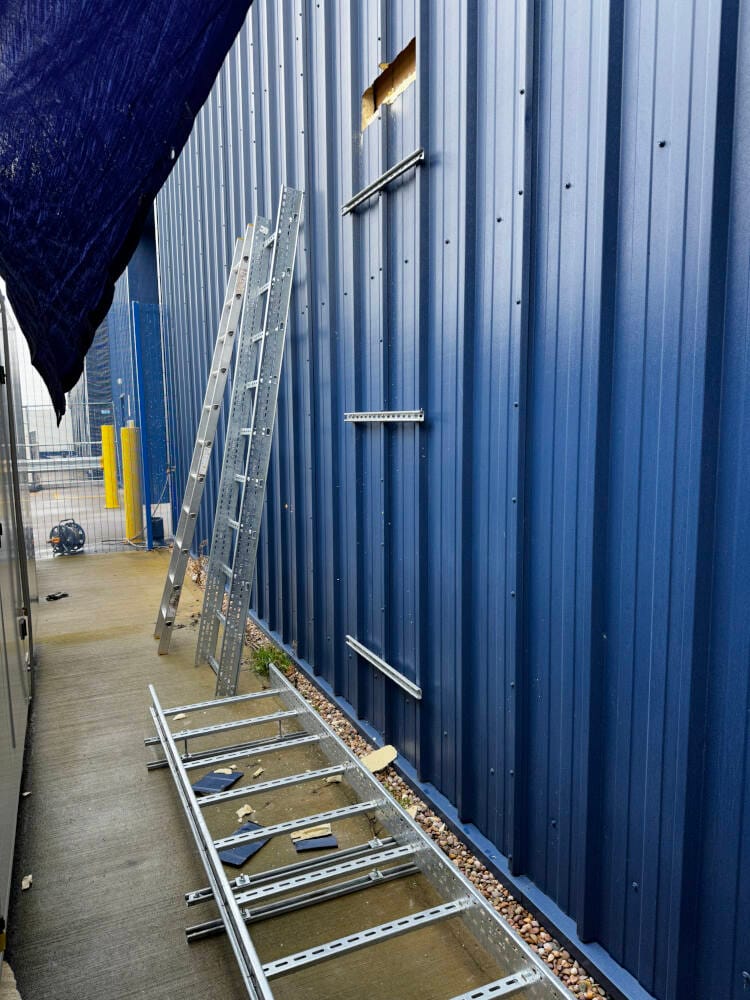
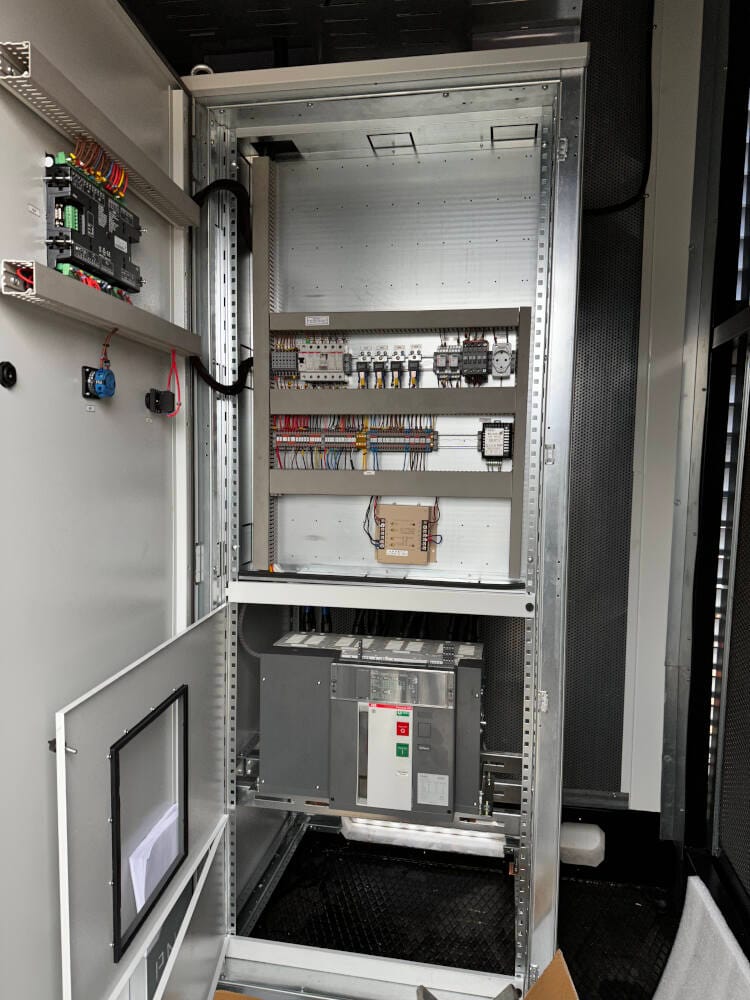
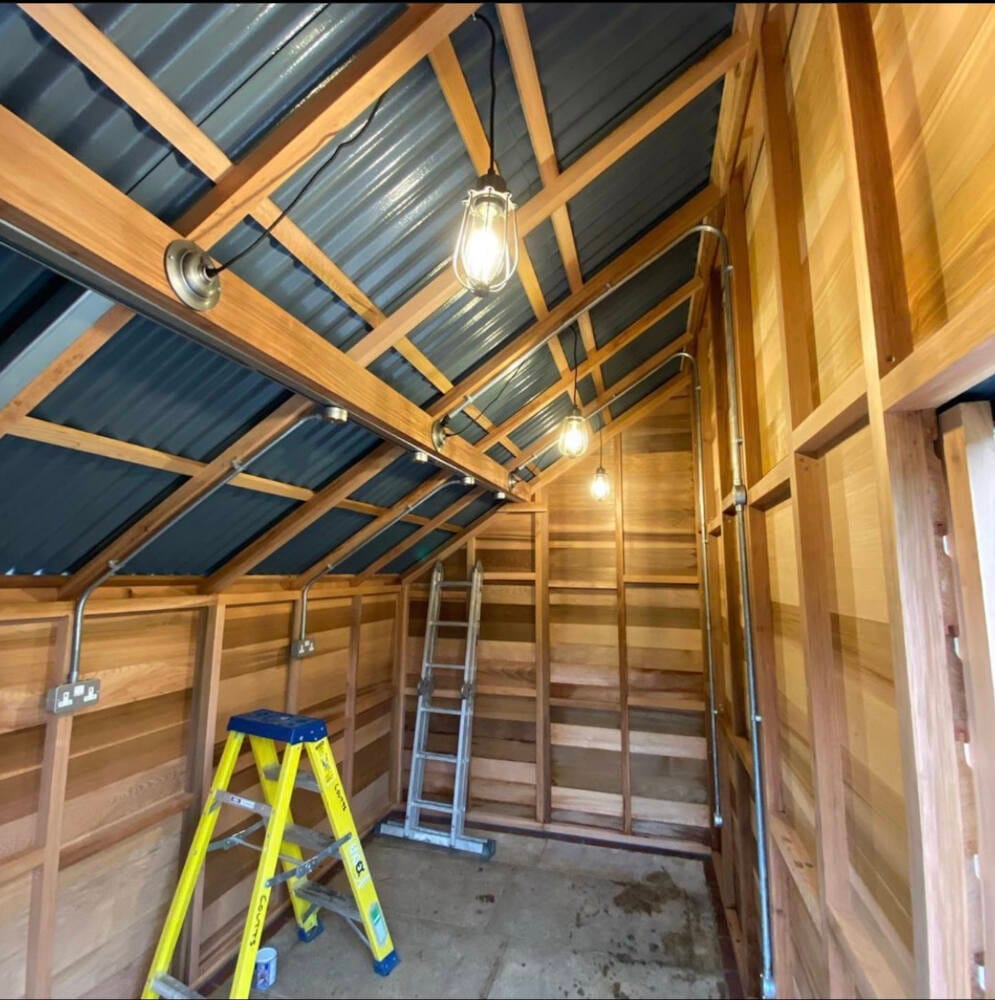
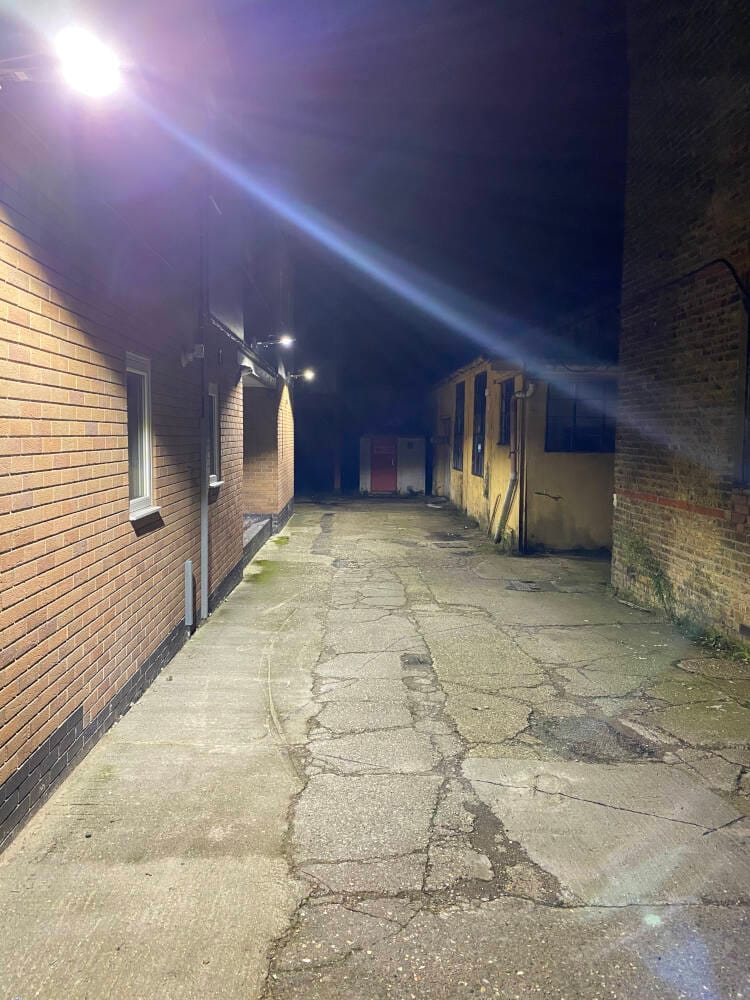
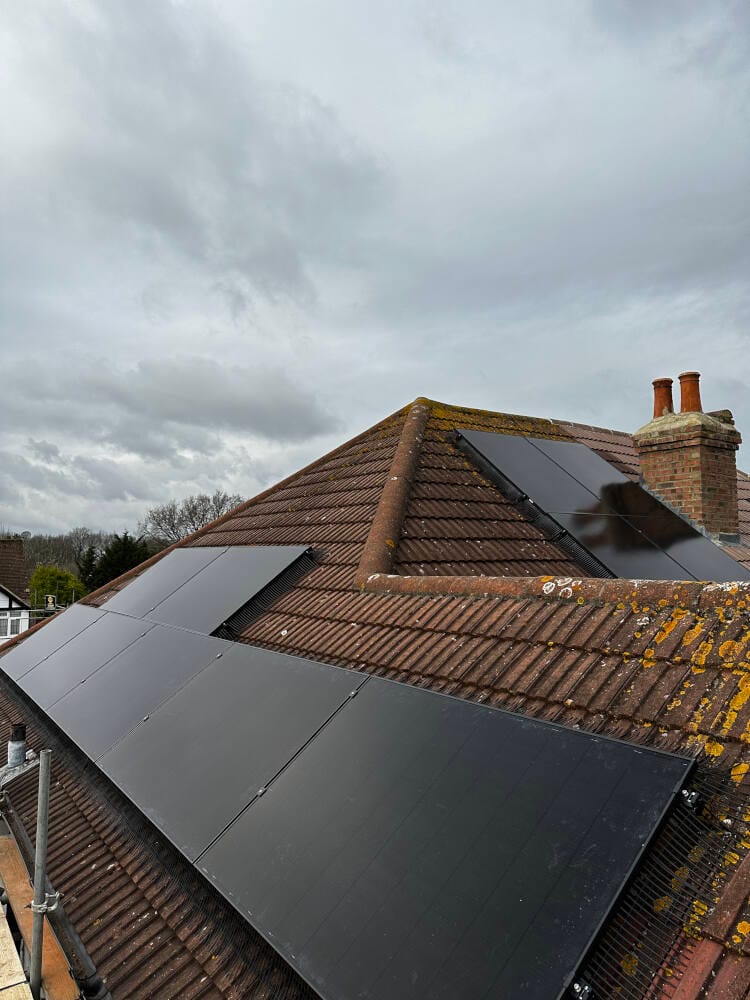
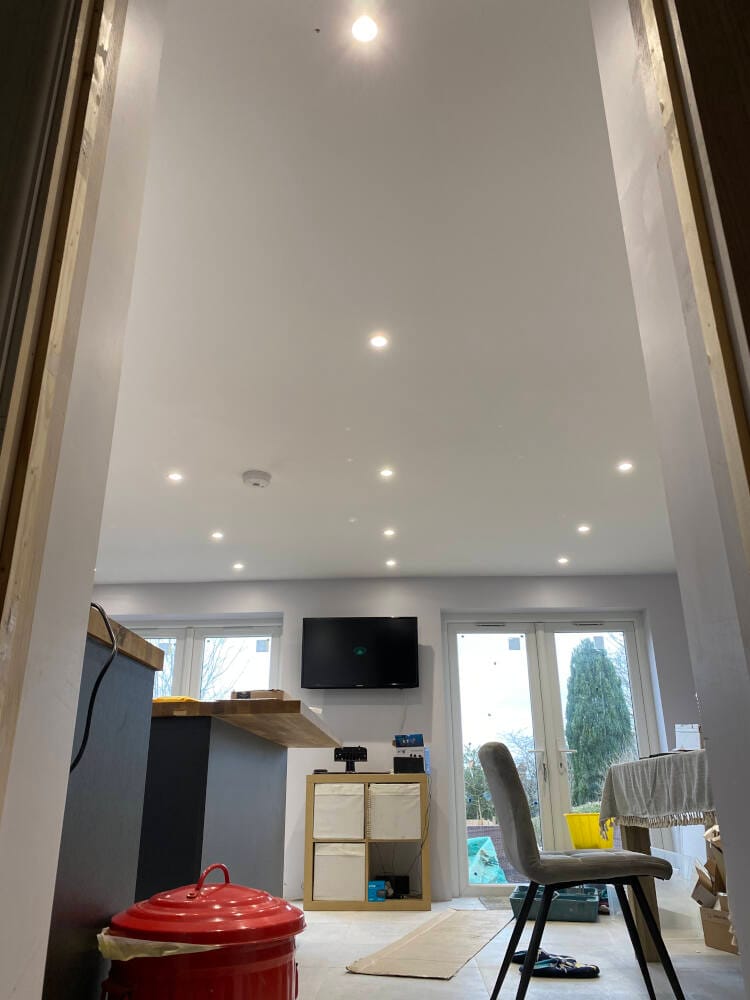
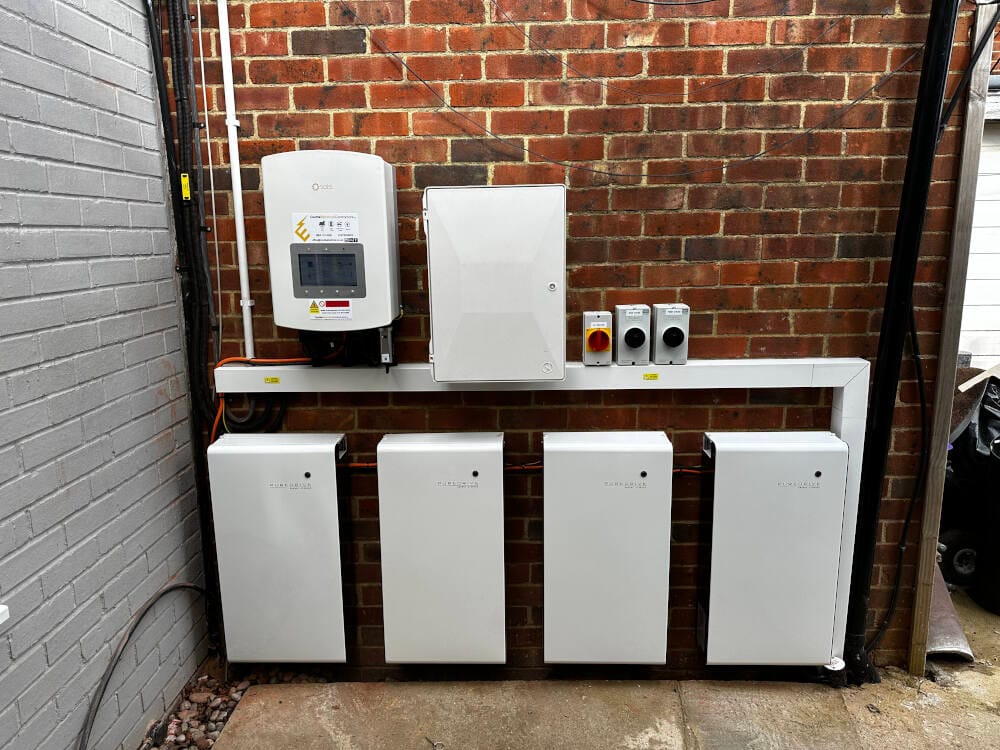
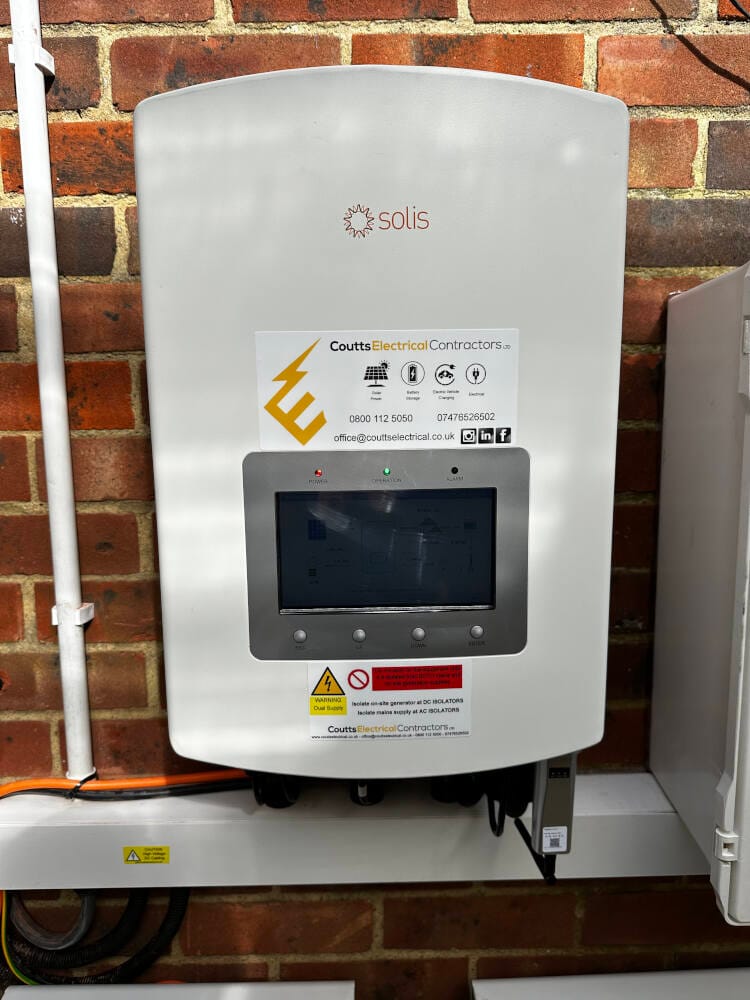
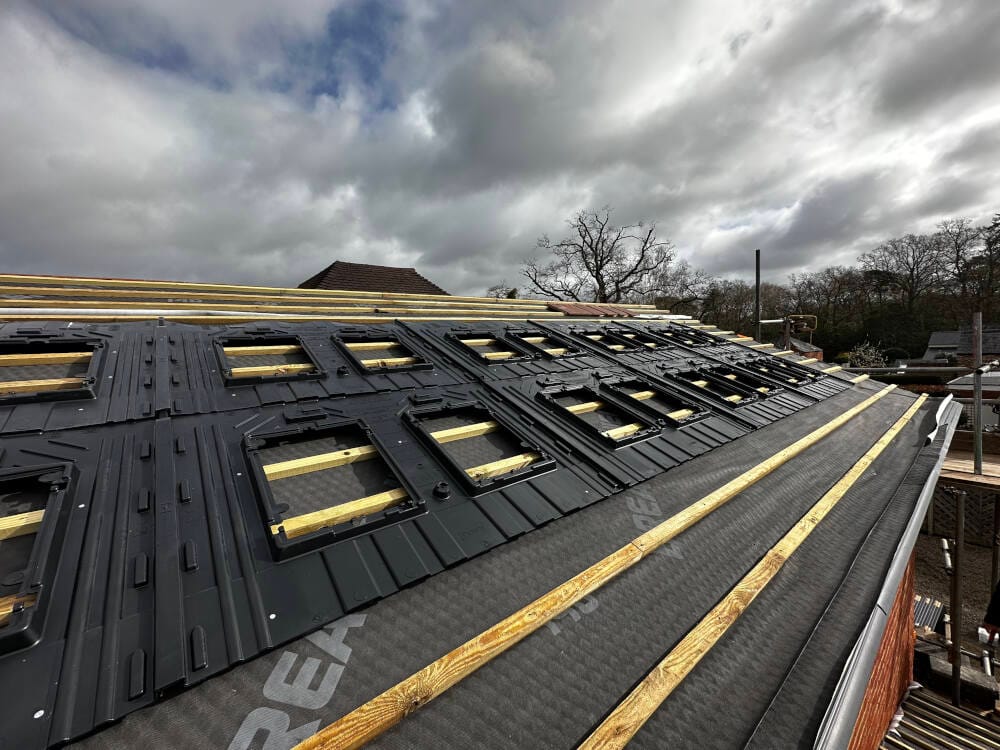
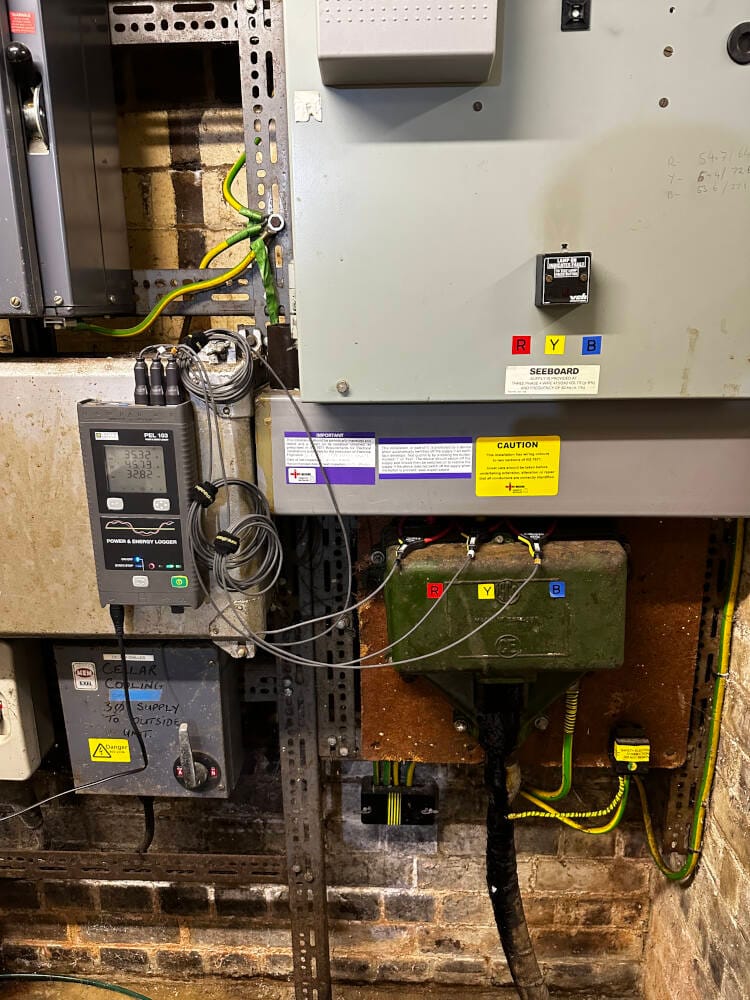
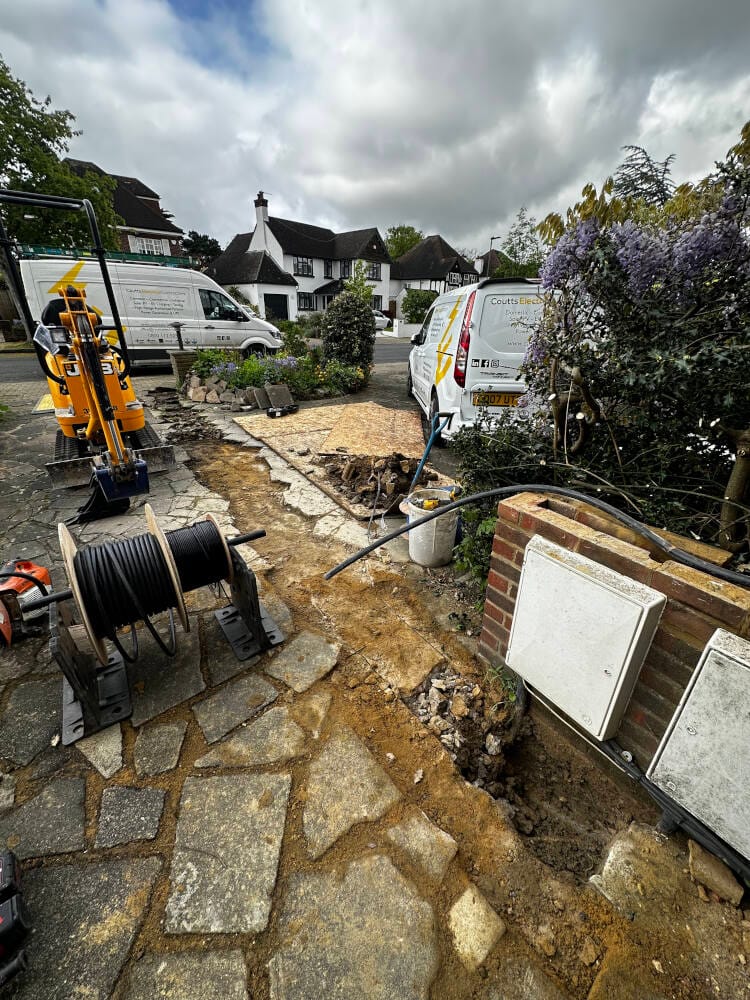
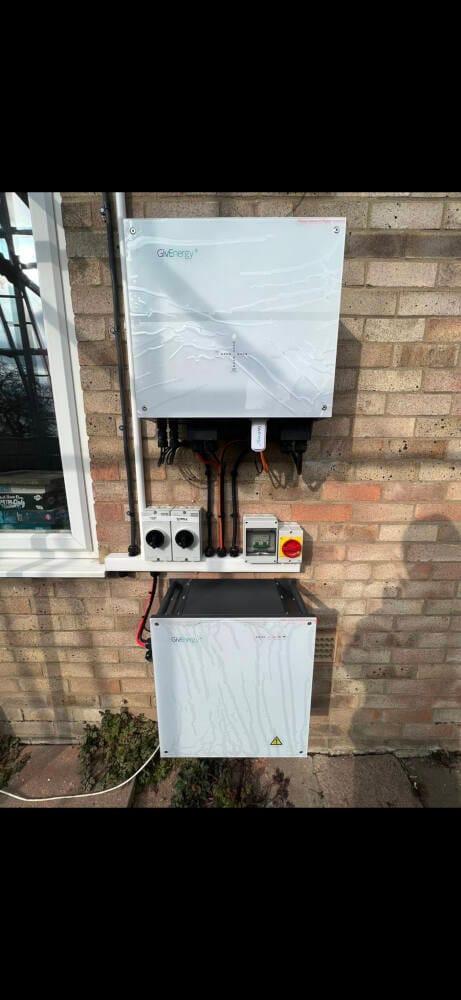
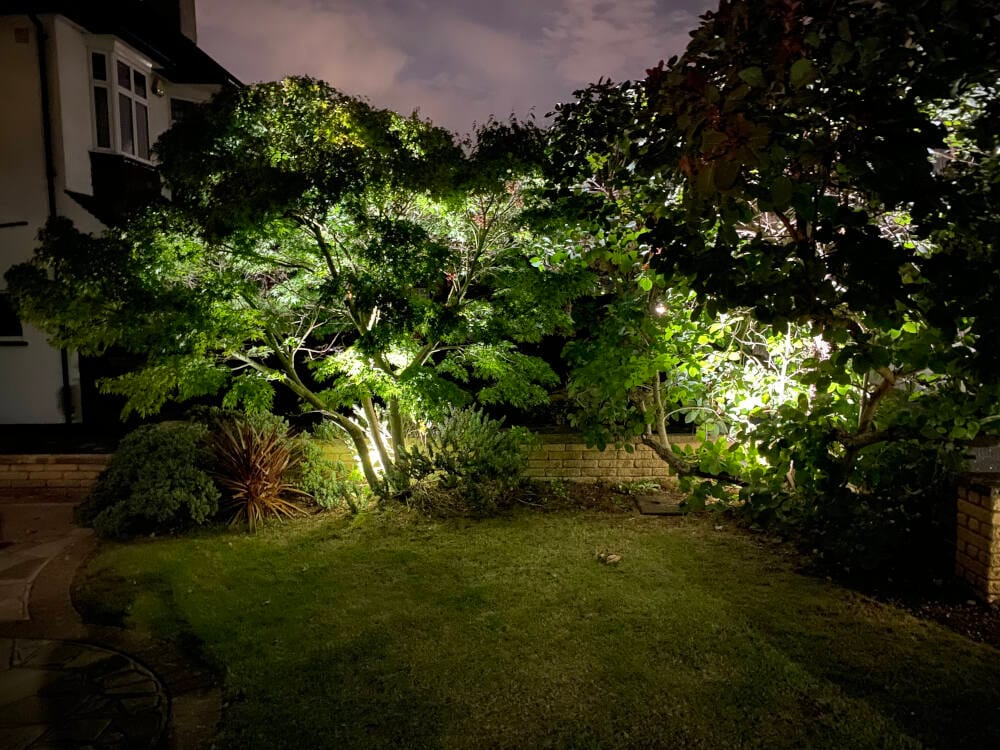
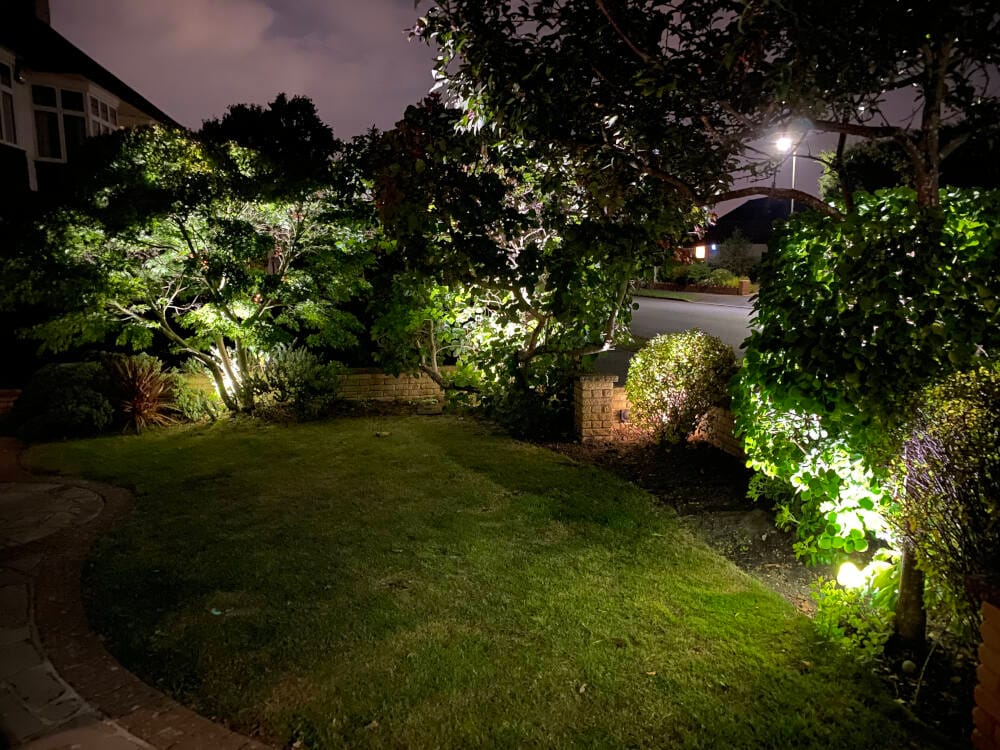
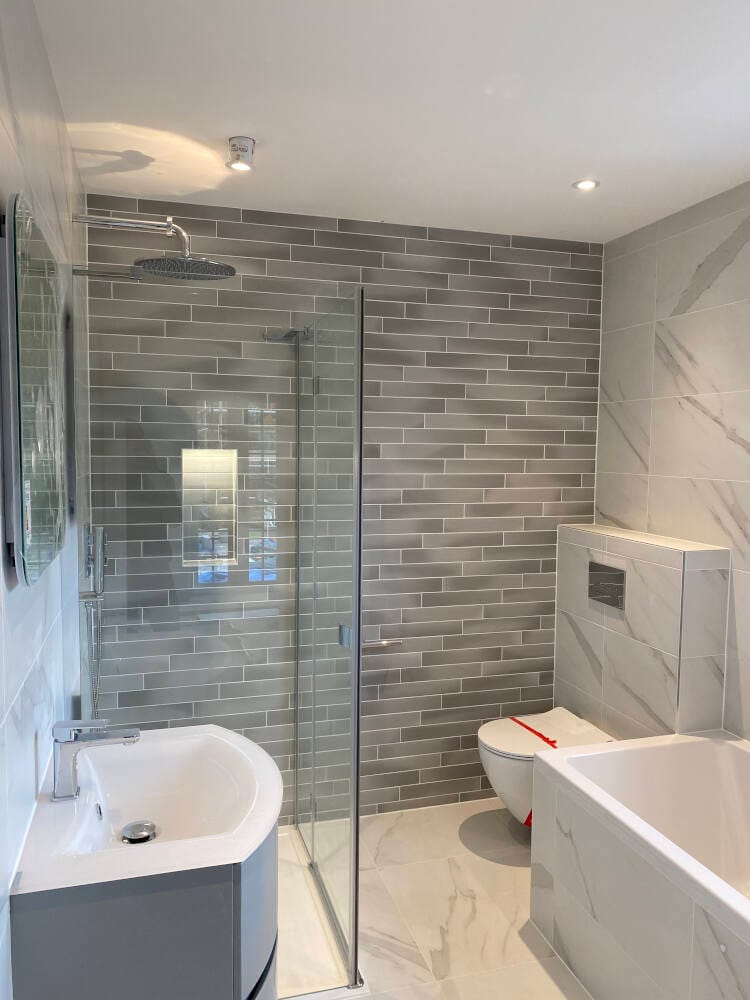
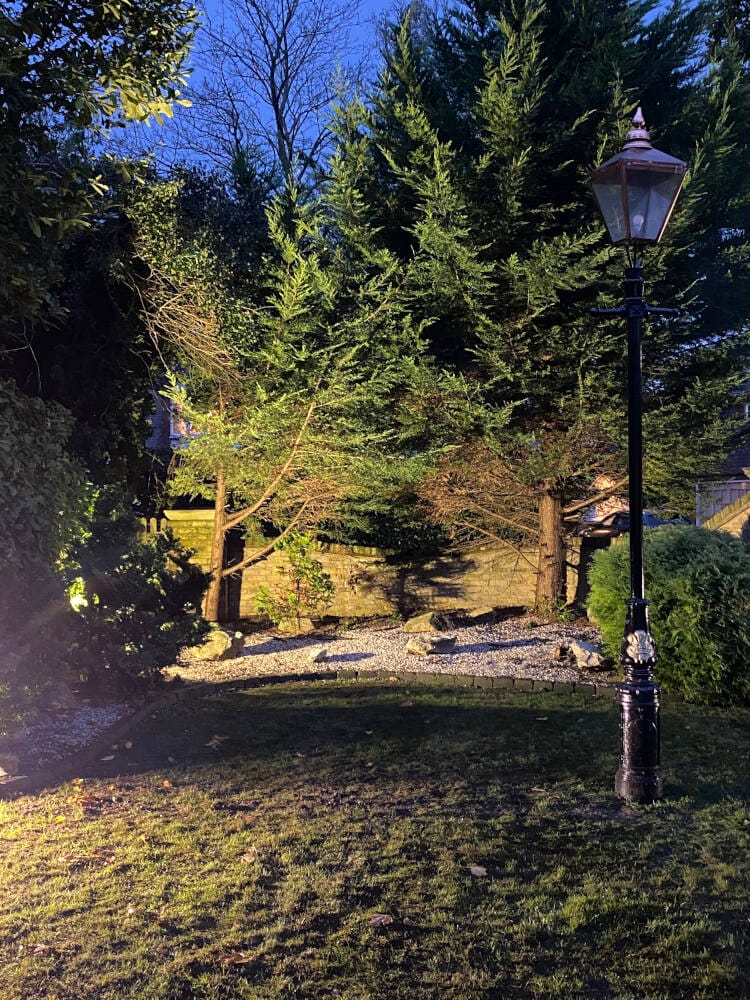
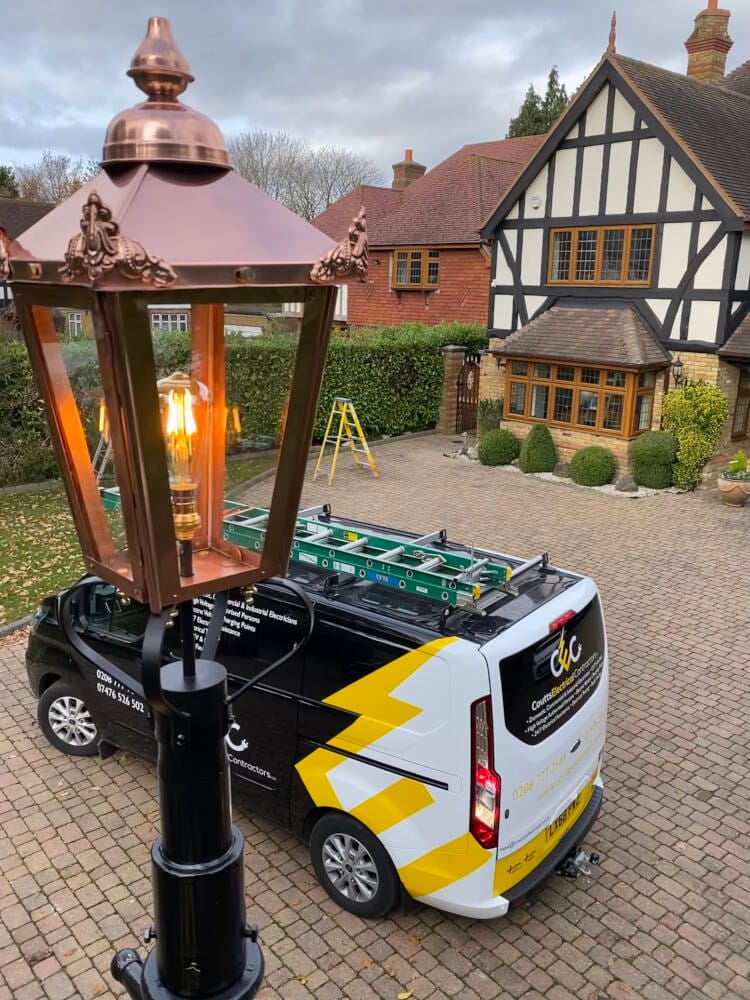
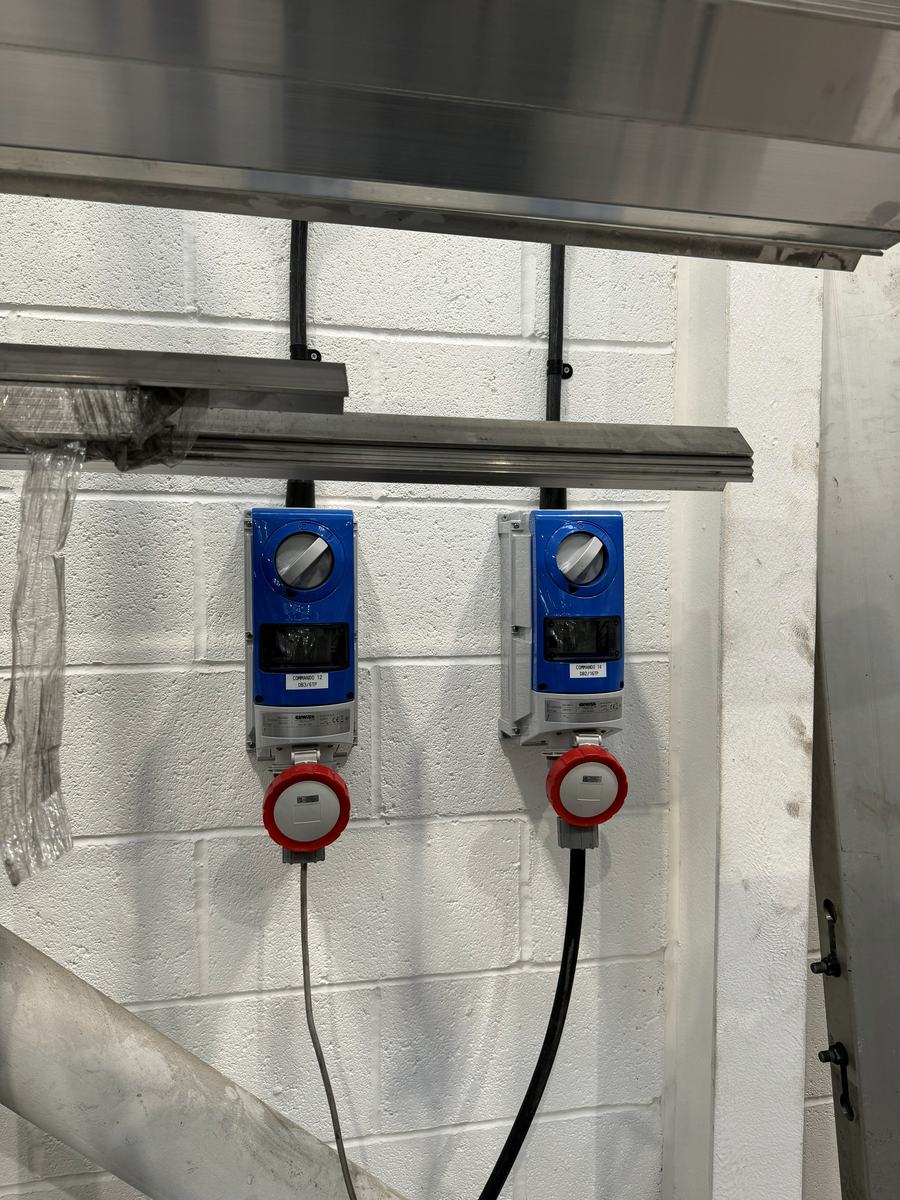
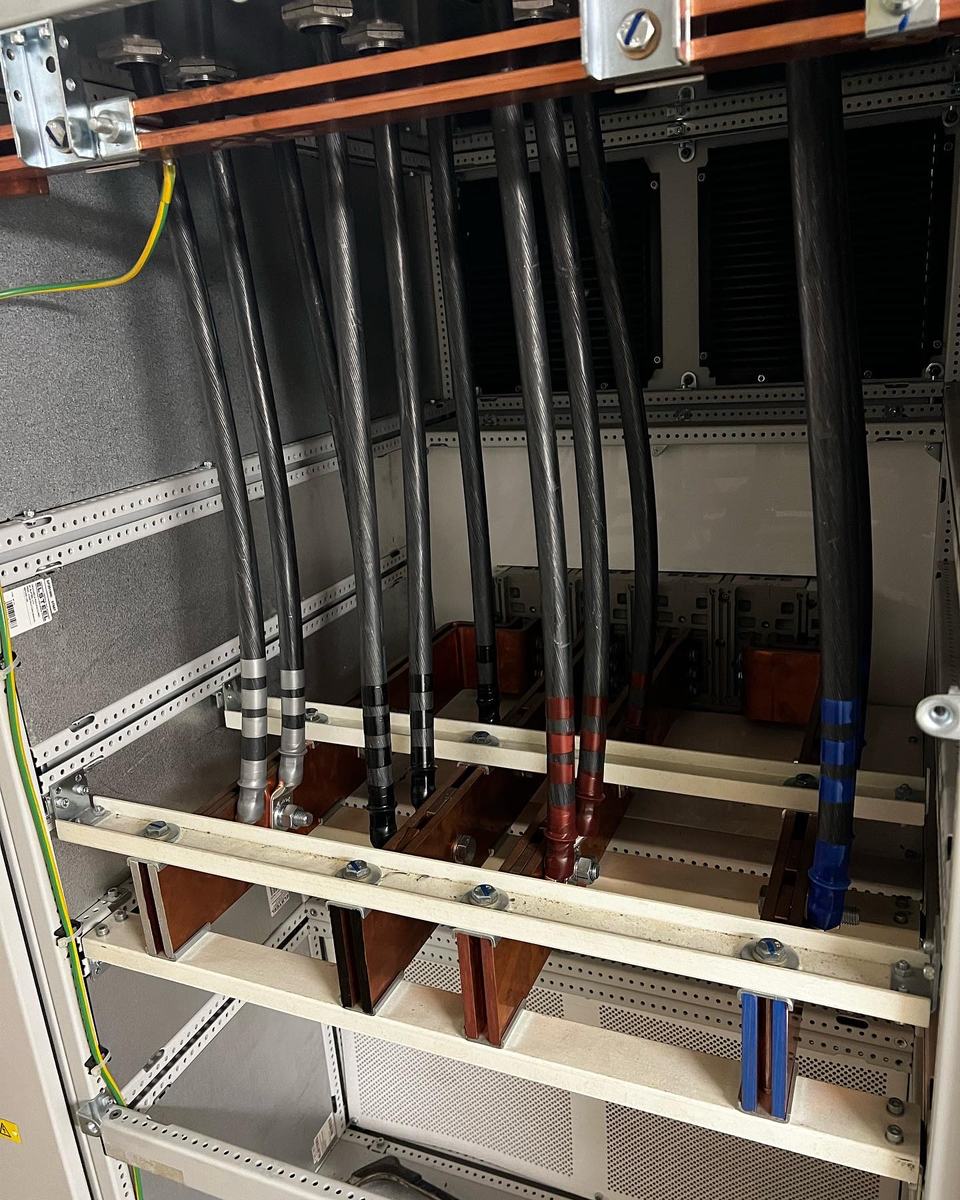
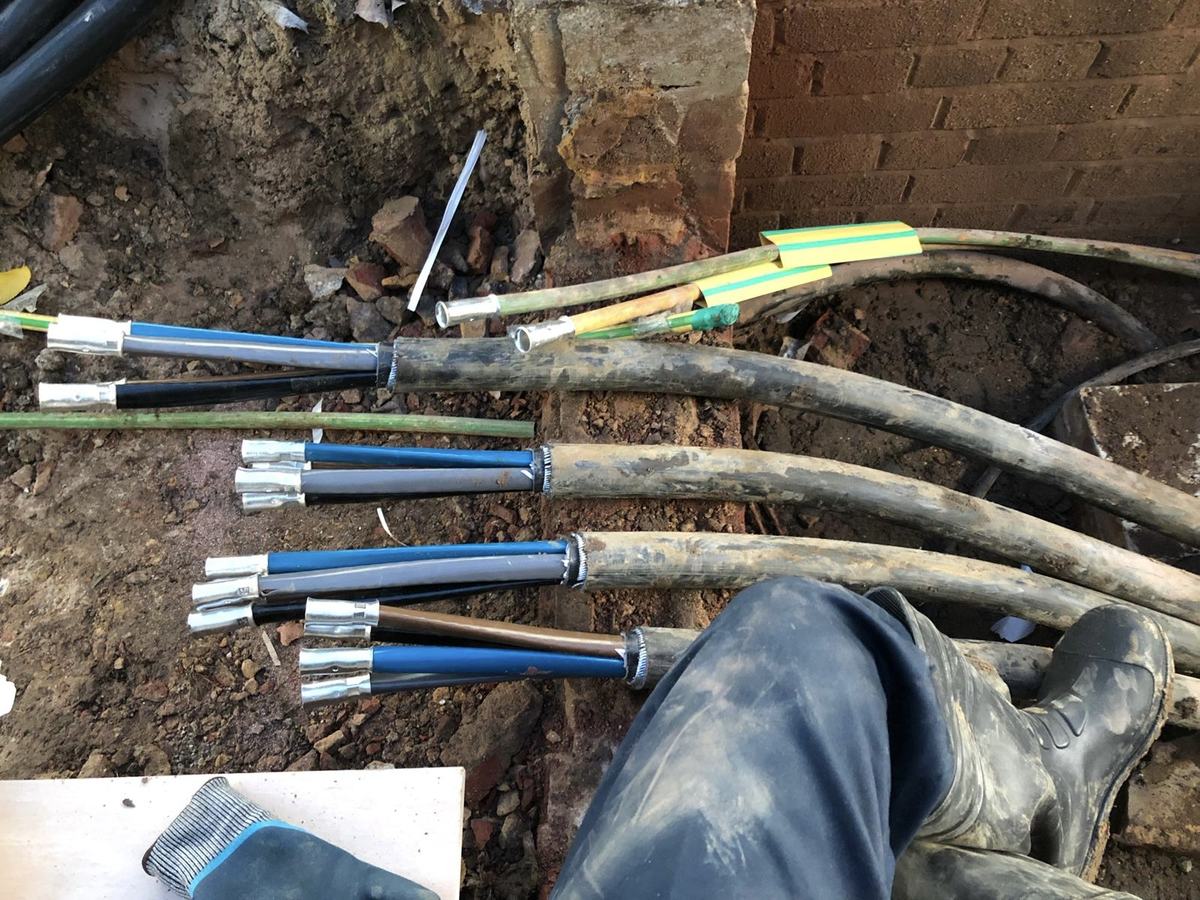
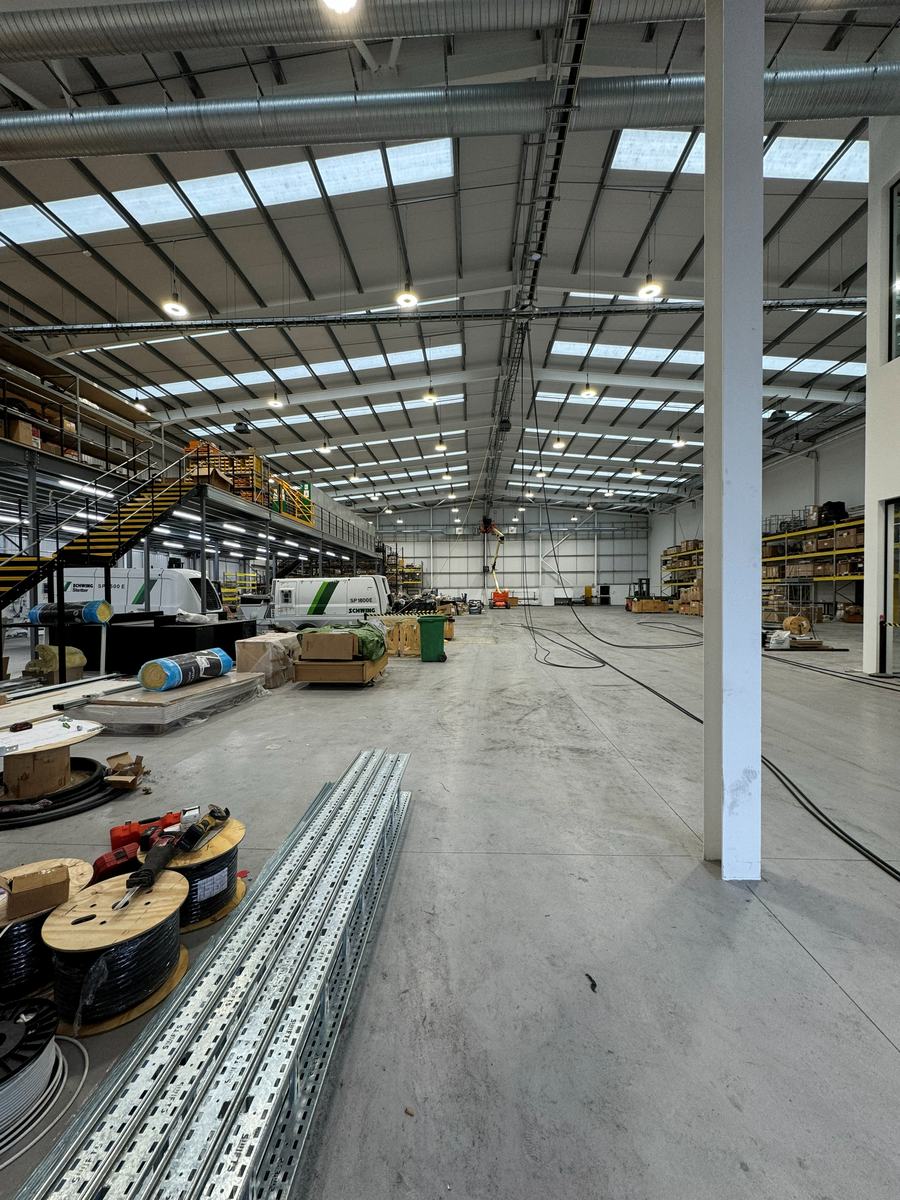
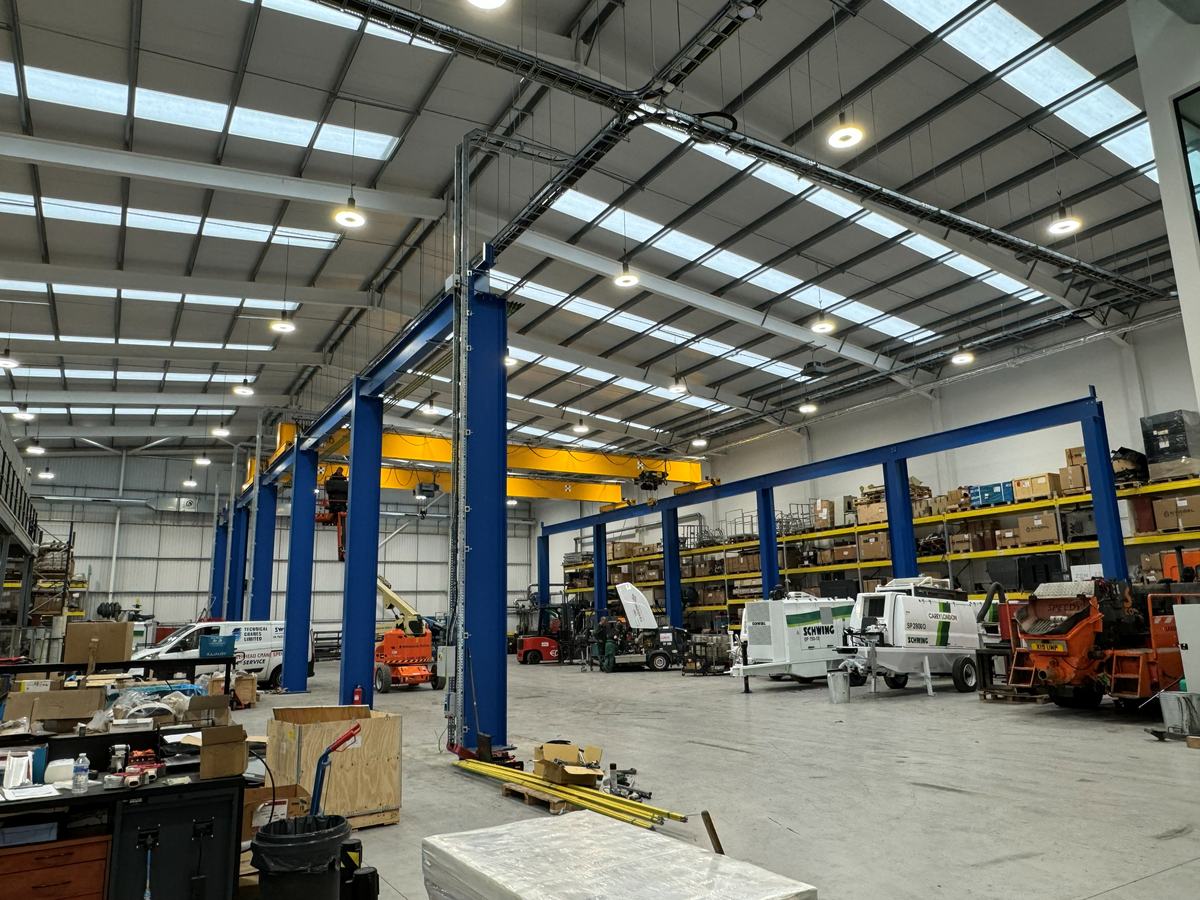
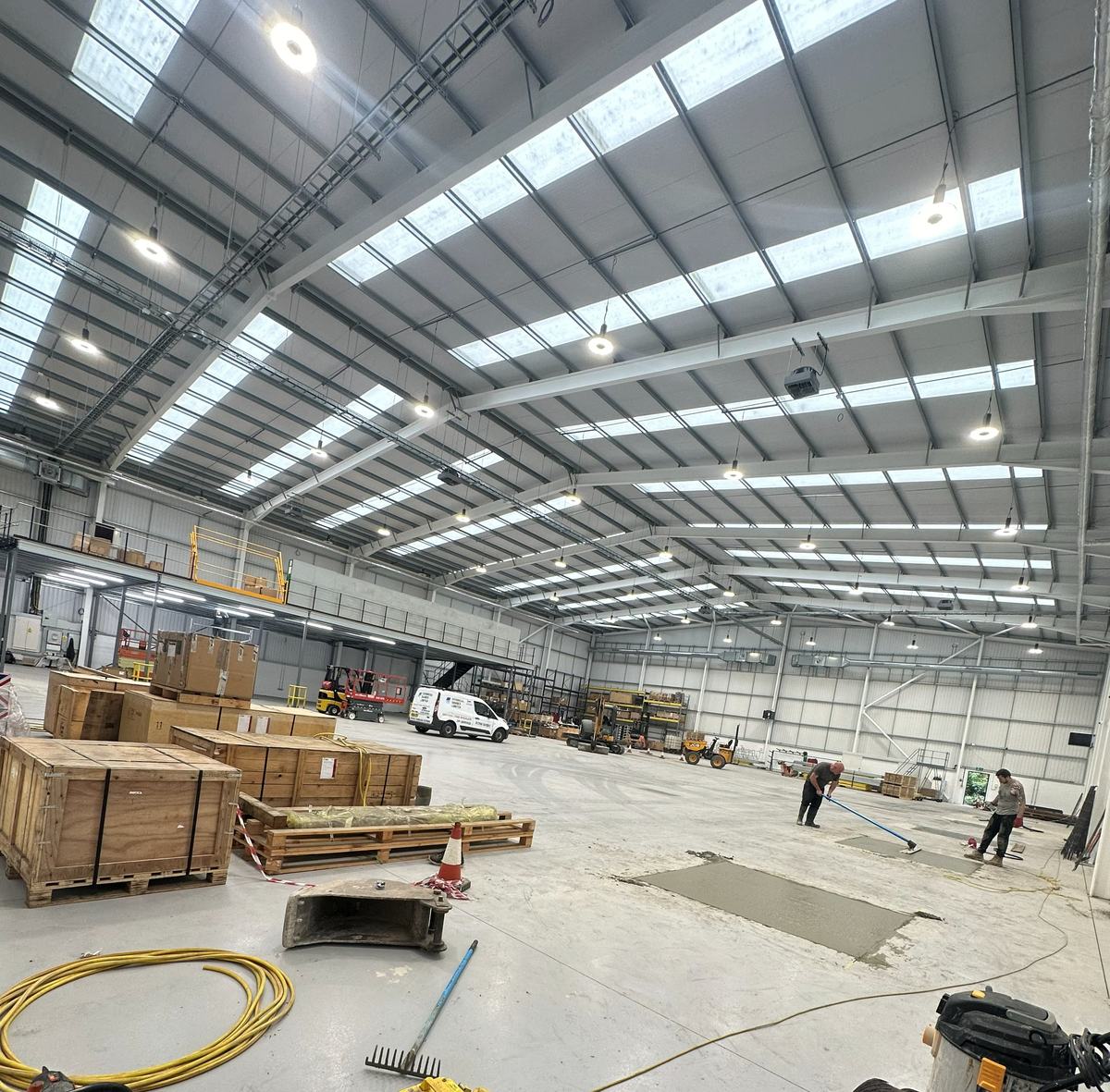
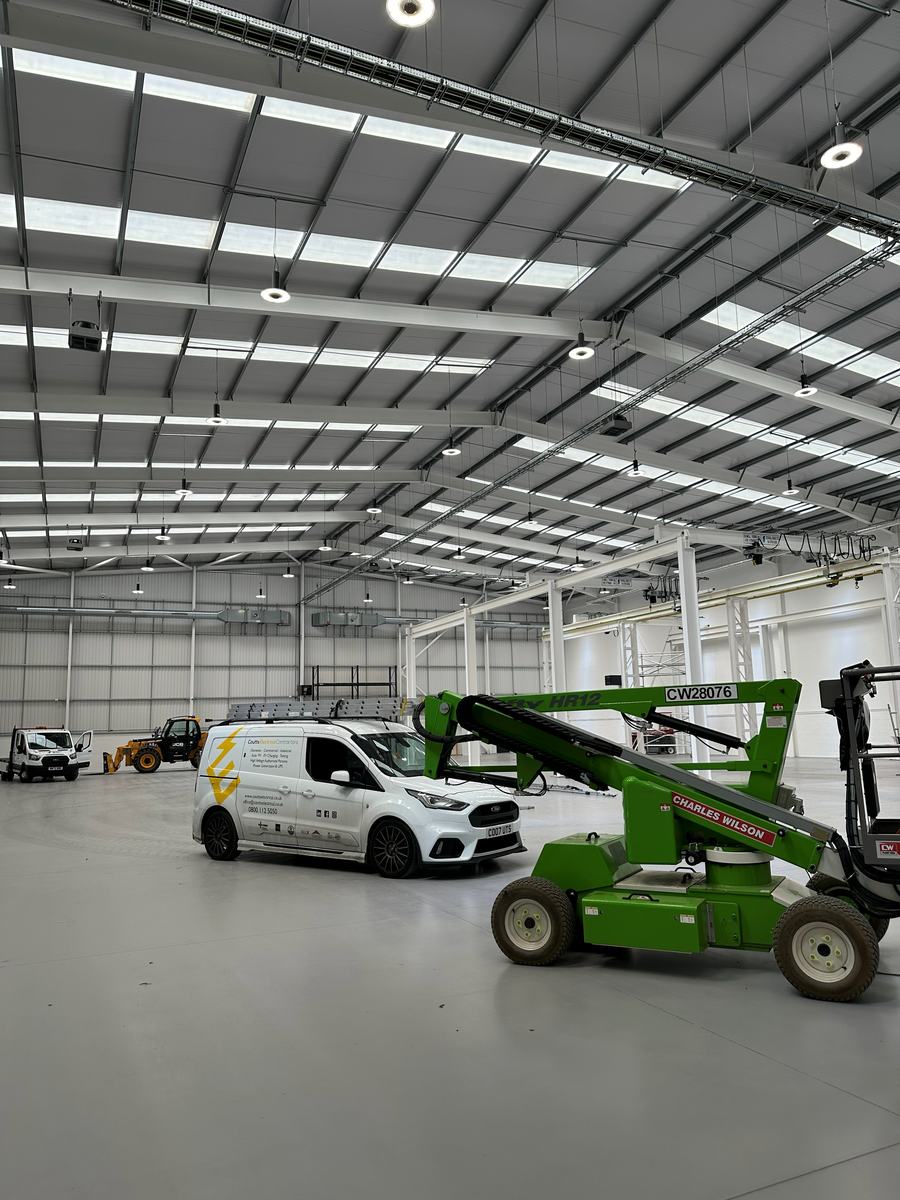
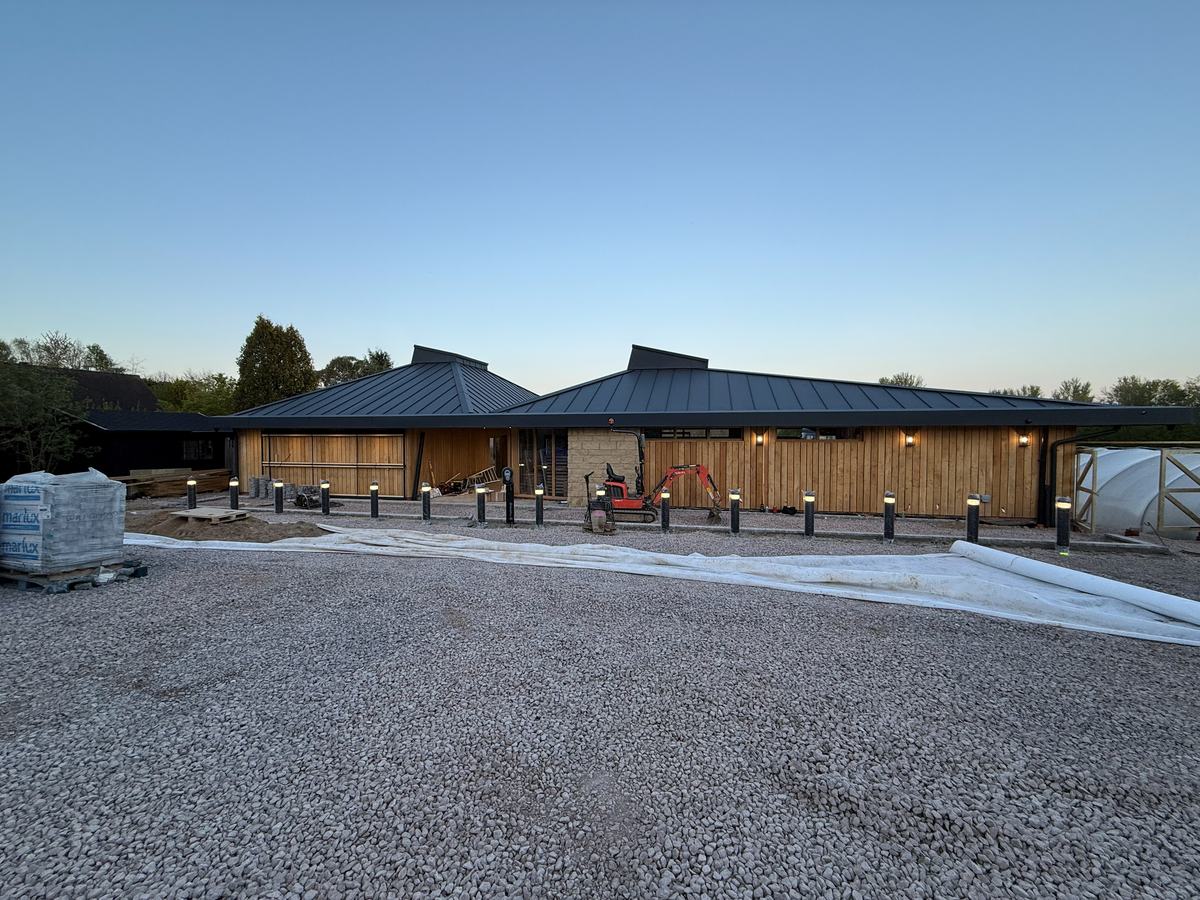
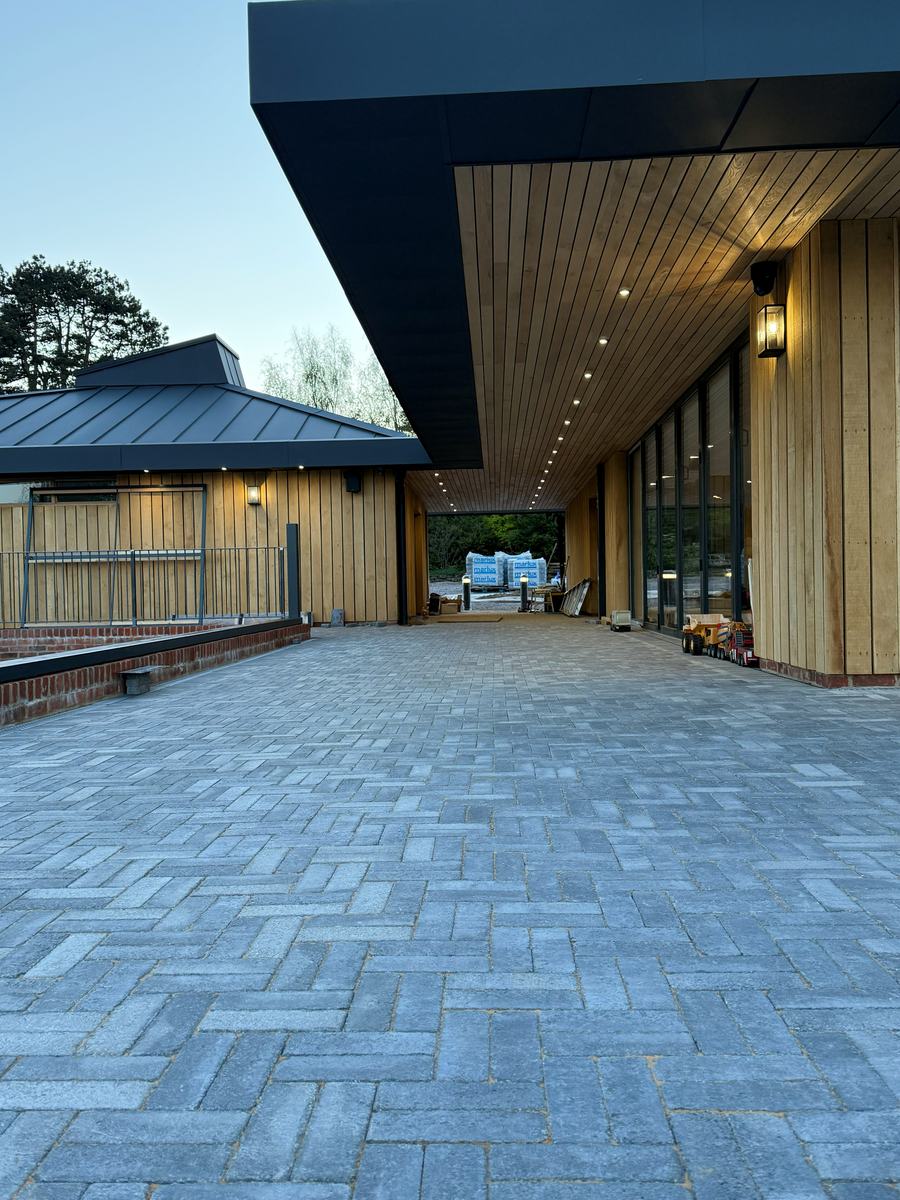
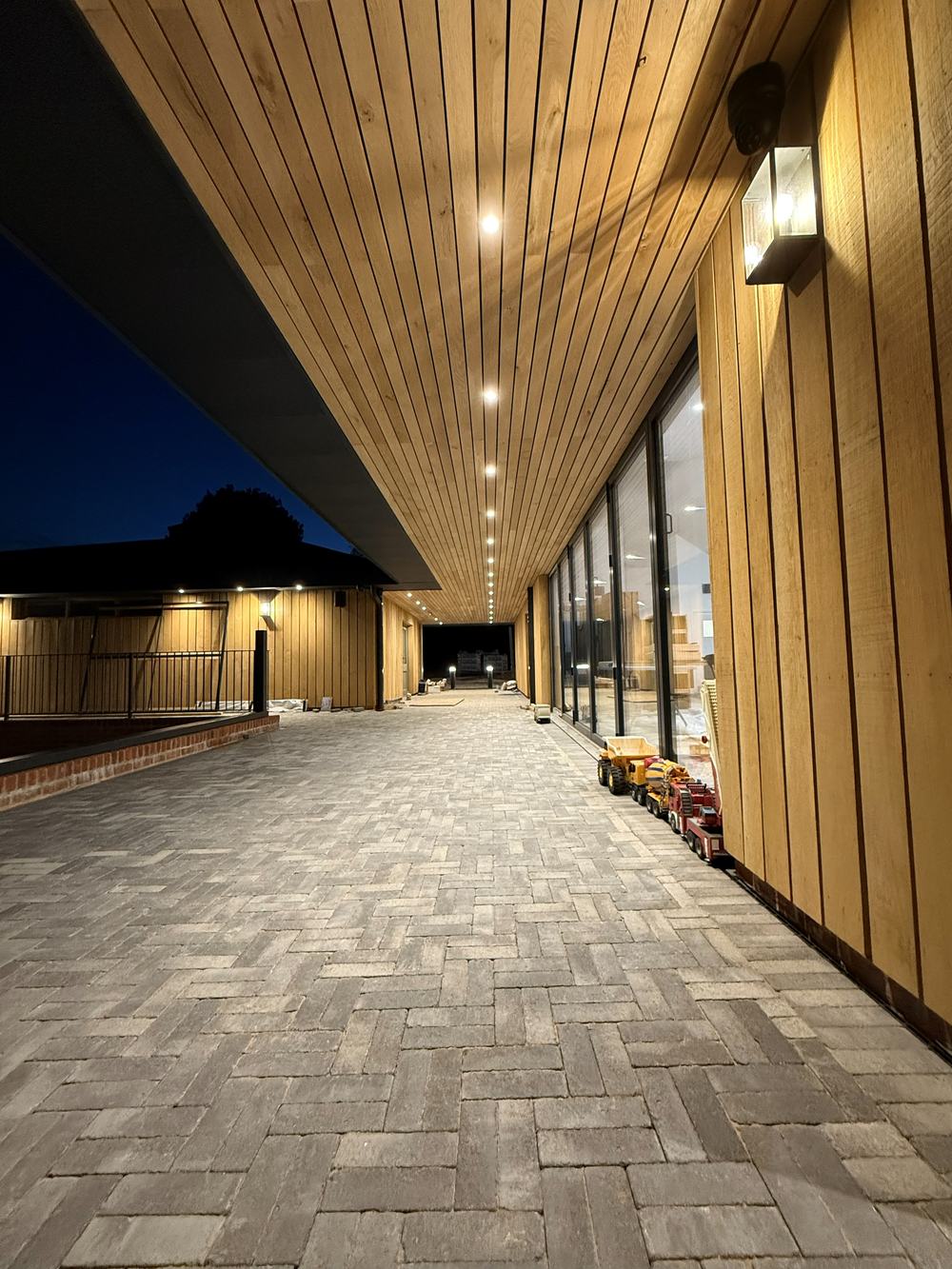
Showing all 77 photographs.
Captions name the system type rather than a town or a customer, because the source gallery records neither — attaching a place to one of these would be an invention rather than a fact.
02 Written up
Three of these
documented in full.
Where the whole job was recorded — the brief, the constraint, the sequence and the outcome.
03 The gallery
How the set is sorted.
That makes a thin category visible instead of hidden. Where one kind of work has fewer photographs than another, the number on the button says so before you click it, and the grid underneath then shows you every one of them there is.
Start with the filter closest to your own job, then widen back out to all seventy. The comparison most people find useful is one category across from where they began, because a domestic board and a commercial board are the same habits at a different scale.
04 The gallery
What to look for in an installation photograph.
The habits that make a system easy to live with, and easy for the next engineer to work on, are the ones a still image shows.
None of it needs technical knowledge. It is the same instinct you would bring to any trade: the difference between work that was set out before it started and work that was made to fit at the end.
- 01Cable runs that are straight and parallel, clipped at even spacing, turning at right angles rather than sagging across a wall.
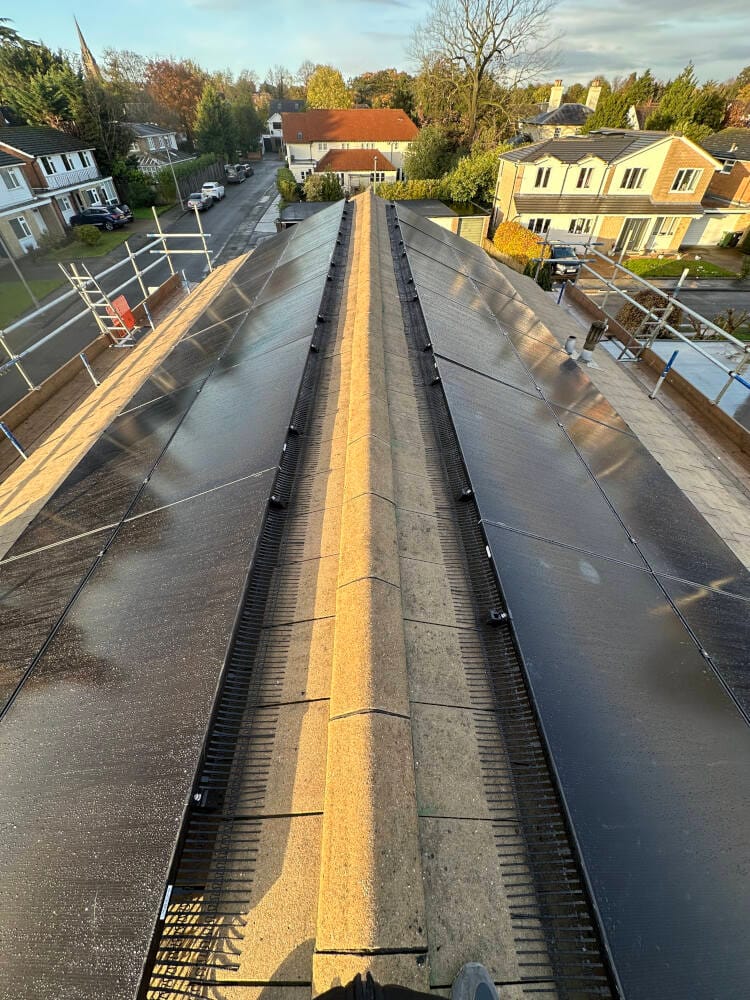
- 02Panel rows squared to each other and to the roof edge, with the gap between rows the same all the way along.
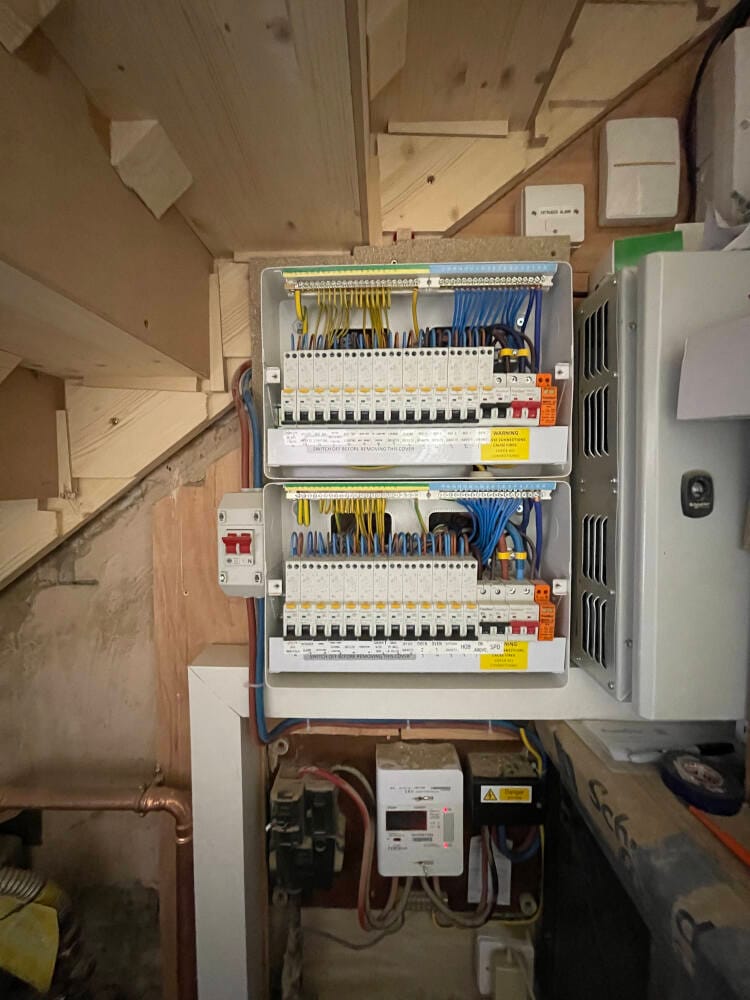
- 03Cores in a consumer unit cut to length and dressed into their terminals, rather than long loops of slack pushed in behind the board.
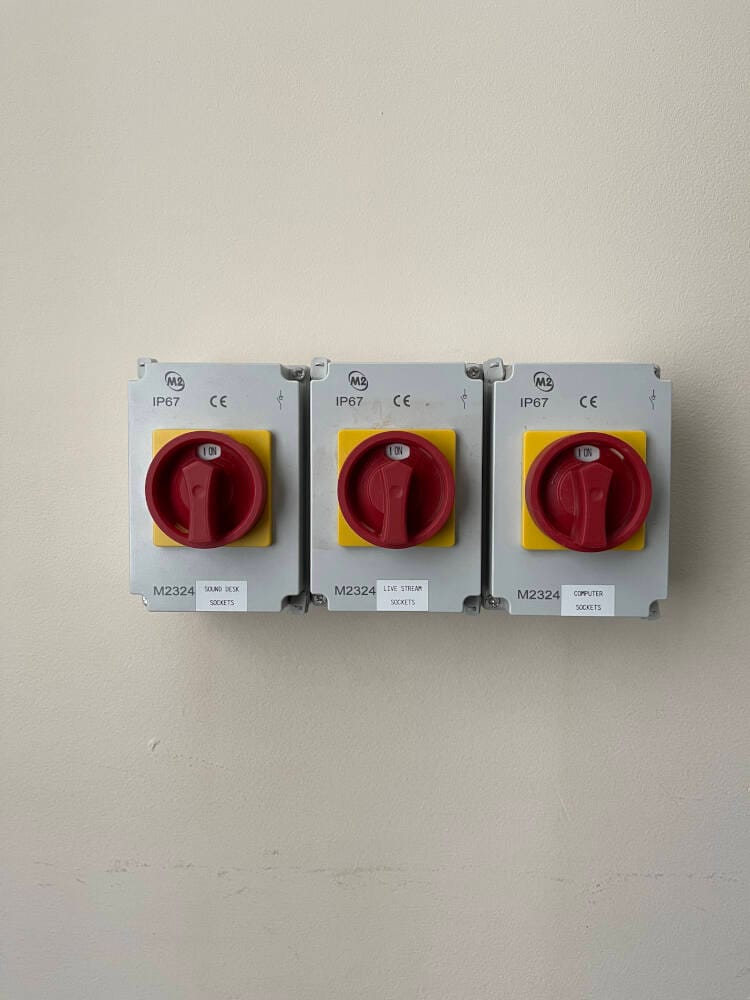
- 04Labels on the ways and on the isolators, legible in the photograph itself rather than added later.
- 05Cable entries made through a drilled and sealed hole with a gland or grommet, not a gap packed out afterwards.
05 The gallery
What a photograph cannot settle.
A photograph shows how a finished system looks, not why it was laid out that way. Roof pitch, shading through the day, where the incoming supply sits and how far the cable has to travel all decide the arrangement, and they are settled on site rather than from a picture.
So use the grid to read the standard of finish, and let the survey answer the fit. It helps to know beforehand where your consumer unit and meter are, whether the loft is boarded, and which parts of the roof still get sun through the afternoon.
If one image is close to the job you have in mind, carry that category name across to the matching service page.
06 Start here
Want yours
to look like this?
A survey costs nothing and comes with a written quotation. 24/7, 365 days a year.
Not ready yet? All services · reviews · the job gallery.