
Batteries & storage
Sigenergy, fitted
by electricians.
All-in-one solar, storage and EV charging.
Published spec
10kWh
Single-line diagram — standard symbols, not products. It shows how the parts of a coupled system connect and which of them decides what. No manufacturer’s equipment is depicted, and no capacity, rate or price is implied.












Sigenergy build integrated systems that bring solar generation, battery storage and EV charging together under one controller rather than bolting three separate products onto a house.
Coutts Electrical feature Sigenergy on their own solar page, and the guide-priced systems on this site are all built around 10kWh of battery capacity — the category Sigenergy is designed for.
Which hardware suits your property is confirmed at survey. We design around your usage profile, not around a preferred brand.
01 Sigenergy
Where the three parts have to agree
A house with panels, a battery and a car charger has three devices making decisions about the same electricity. The inverter decides whether generation goes to the battery or out to the grid. The battery decides when to discharge. The charge point decides how fast to draw.
Left to themselves those decisions can work against each other, and the classic symptom is a battery quietly emptying itself into a car that could have taken the sun directly. Making the three agree is configuration work rather than installation work, and it is the part a quotation rarely puts a line item against.
If you already have panels and an inverter that work, adding storage to them is a different job from starting again with one integrated unit. What differs is where the complexity sits — and who gets the call when something behaves oddly two winters later. On a retrofit, these are the questions that settle it:
- 01Whether the inverter already on the wall can charge a battery at all, or only export
- 02Where the CT clamp sits, and therefore what the system believes it is measuring
- 03Whether the charge point can see the generation figure, or only the meter reading
- 04Whether you finish with one app showing everything, or three each showing a fragment
02 Sigenergy
kWp, kWh and kW are three different numbers
The three figures quoted for a system like this measure unrelated things, and they are easy to read as though they were the same. kWp is the size of the array — the power the panels are rated to produce on a test bench rather than a promise about any particular afternoon.
kWh is the size of the battery, meaning how much electricity it holds. kW on its own is a rate, being how fast the battery can charge or discharge, or how fast a charge point can deliver into a car. Two of them can be mismatched without either being wrong.
A large array against a small battery fills it by lunchtime and exports the rest of the day. A battery with plenty of capacity but a modest power rating is the reverse — it holds a great deal and releases it slowly.
None of the three can be chosen from an electricity bill alone. The array is limited by roof area and orientation, the battery by what the property draws after dark, and the charge-point rating by the supply coming into the building, which is why we settle them together rather than one at a time.
03 Sigenergy
What to ask when a quotation lands
An all-in-one quotation is harder to compare than a quotation for panels, because more of what you are buying is behaviour rather than specification. None of the questions below are trick questions, and we are happy to be asked every one of them:
- 01If one part of the system develops a fault, does the rest of it carry on working?
- 02Can the battery be charged from a cheaper overnight rate, or only from the panels?
- 03Does the charge point favour your own generation over import automatically, or does somebody have to remember to set it each time?
- 04What physically goes on the wall, how heavy is it, and how much clearance does it need around it?
- 05Which parts are covered by which manufacturer, and who do you ring first?
04 Sigenergy
The order the decisions come in
The order in which the decisions are taken matters. What the property uses, and when it uses it, sets the capacity. The capacity and the physical space then set what can be fitted. Working in the opposite direction is how a perfectly good array gets replaced when it did not need replacing.
This page sets out what this class of system does and what it is judged on, so that when a specification does land in front of you, you can read it properly and ask the awkward question before the scaffolding goes up.
05 The evidence
What actually
backs this up.
No manufacturer spec is reproduced here and no partnership is claimed. These are the things Coutts Electrical themselves publish, or that a named customer said in public.
- 01
Featured on Coutts Electrical’s own solar page
couttselectrical.co.uk/solar-pv — product imagery hosted on their own site - 02
Listed in the brands Coutts Electrical work with
couttselectrical.co.uk/solar-pv brand wall - 03
Storage category matches the guide pricing
every guide-priced system includes 10kWh of battery capacity
06 Where it sits
Inside the
published pricing.
Every guide-priced system Coutts Electrical publish is built around 10 kWh of battery capacity — the category this brand is designed for.
| System | Guide price |
|---|---|
| 4kWp with 10kWh battery capacity | From £9,500 |
| 5kWp with 10kWh battery capacity | From £10,500 |
| 6kWp with 10kWh battery capacity | From £11,500 |
| 8kWp with 10kWh battery capacity | From £12,500 |
Inclusive of VAT currently at 0%. VAT applicability will be confirmed in your written quotation. Guide costs are for informative purposes; the specified hardware is confirmed in a written quotation after a survey.
07 On site
Coutts Electrical installs
in this category.
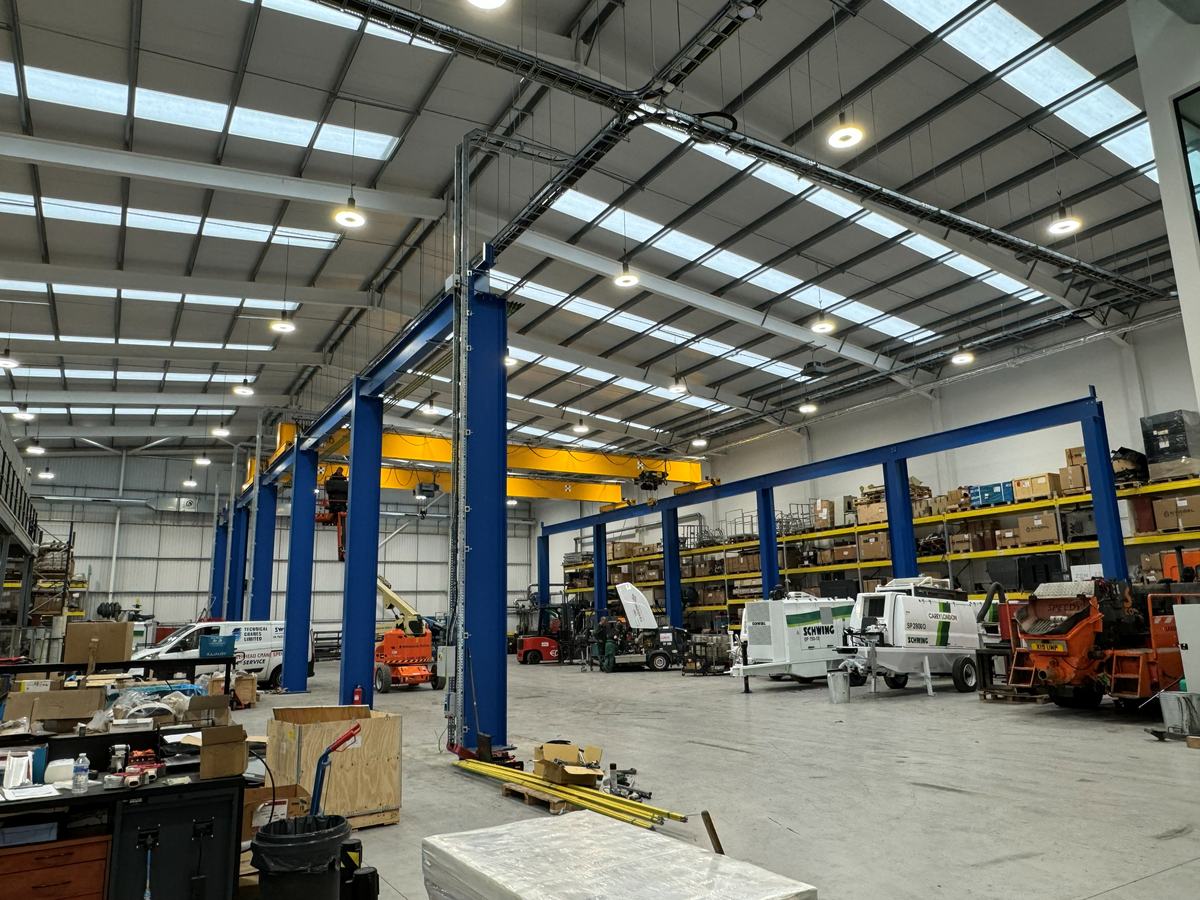
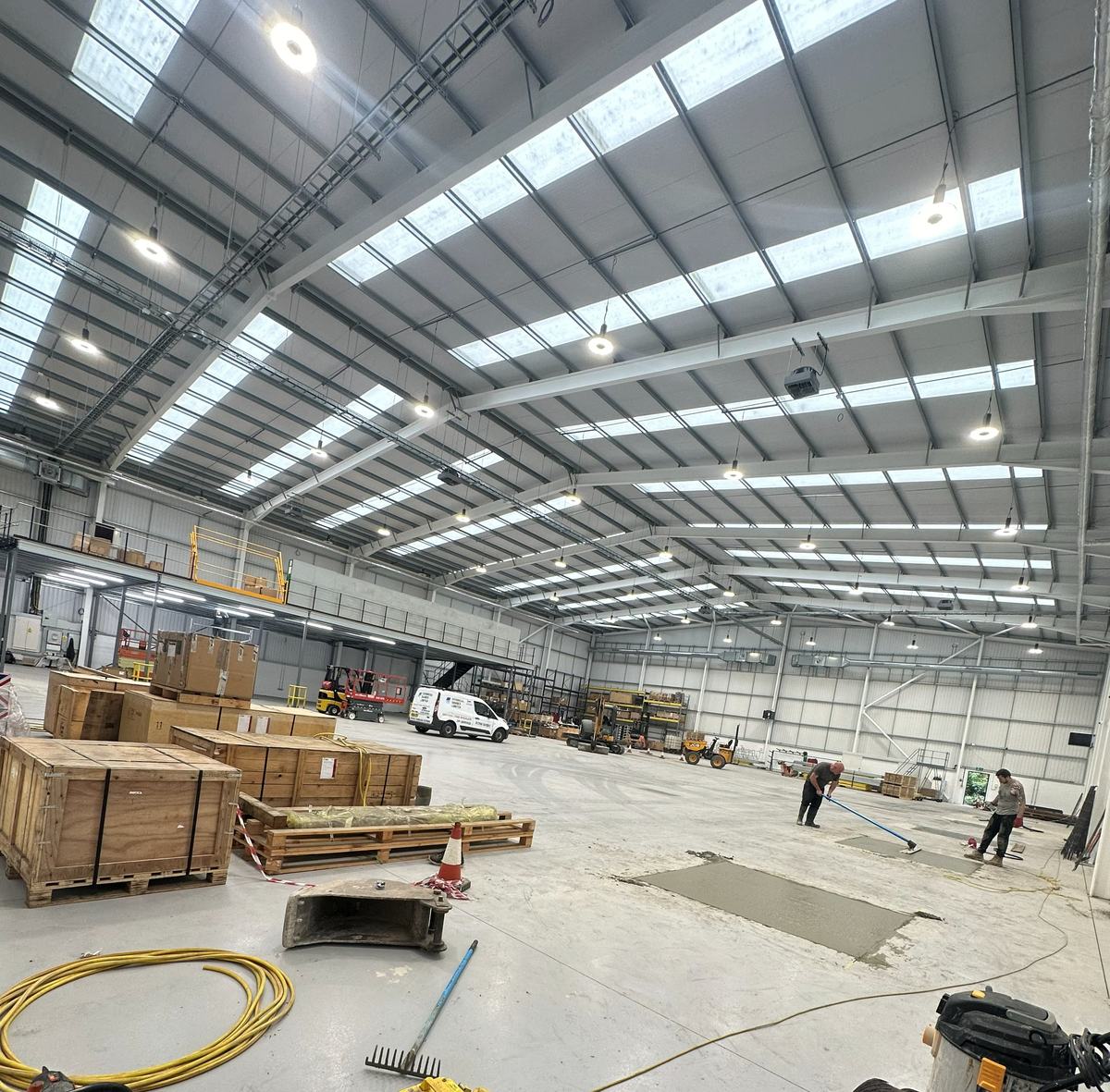
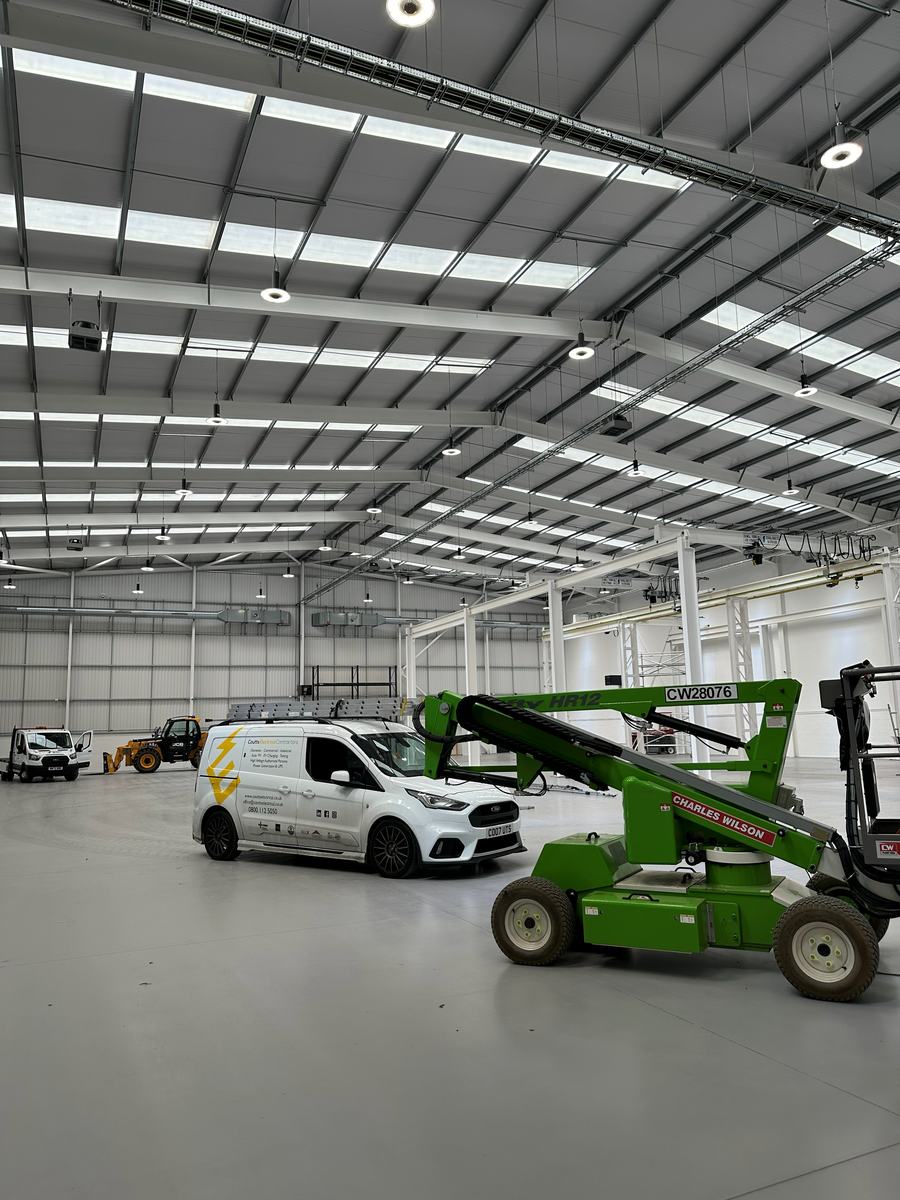



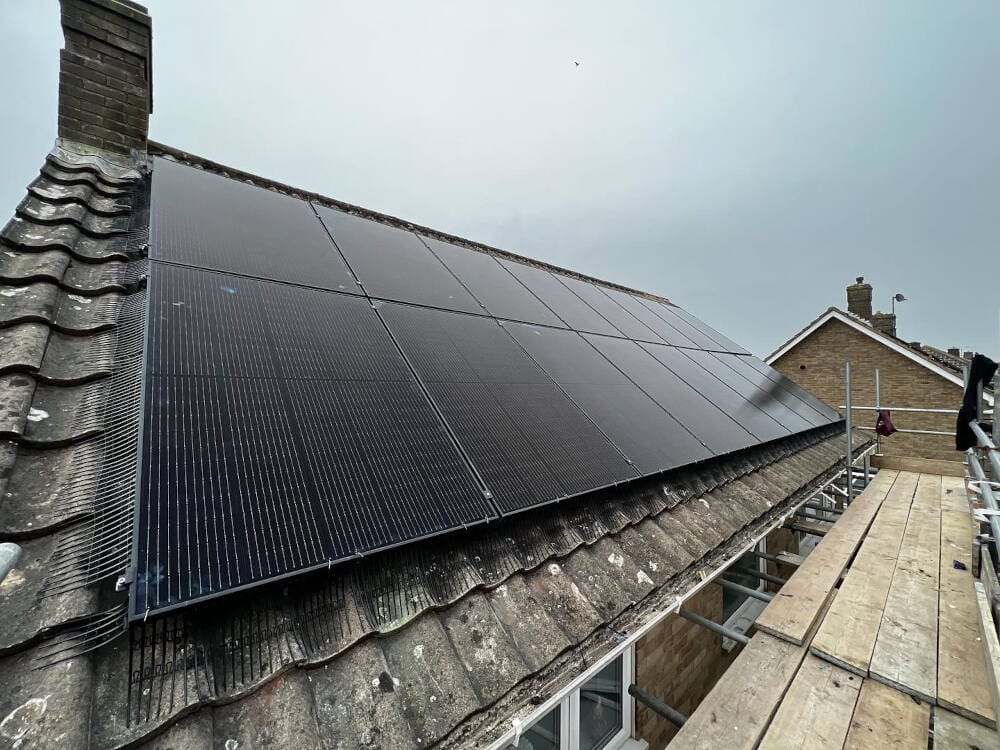
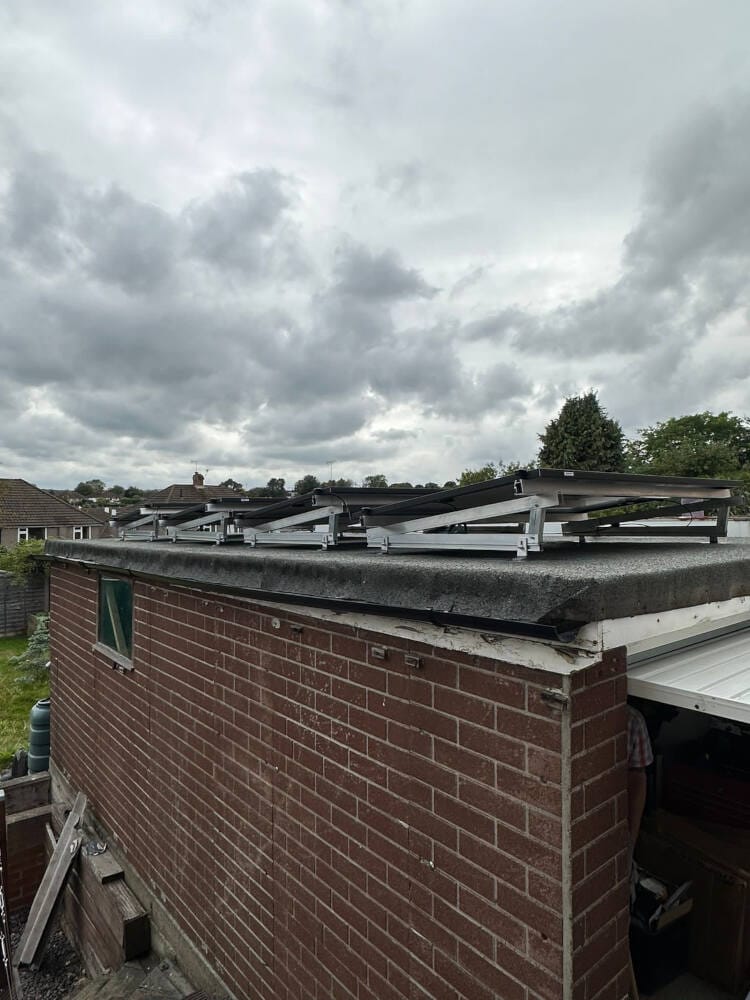
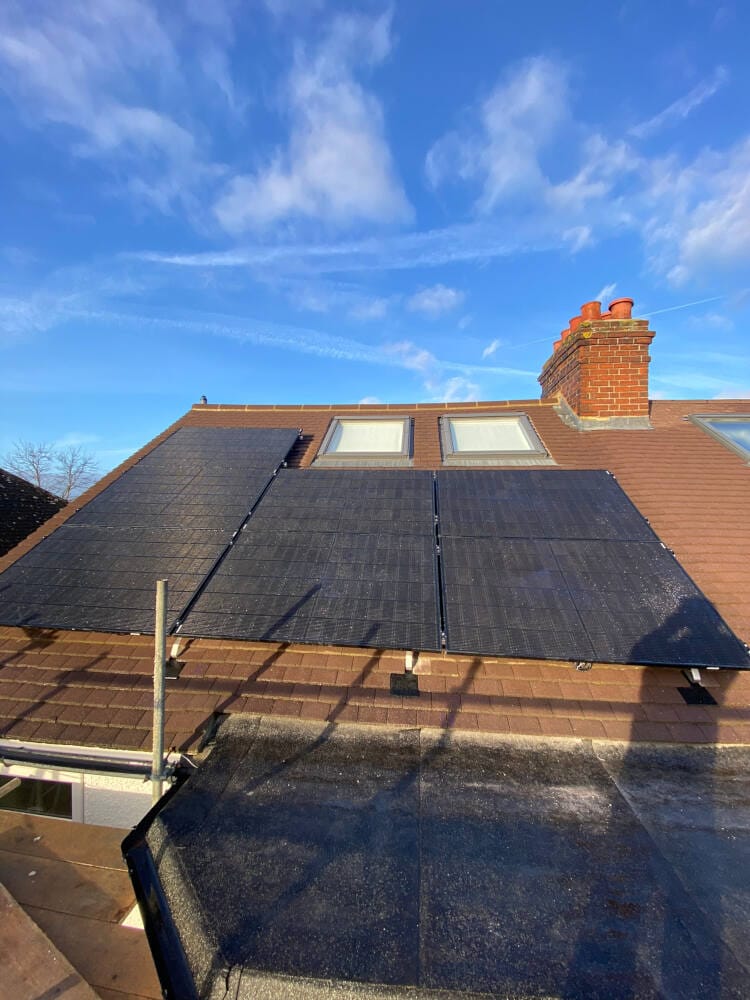
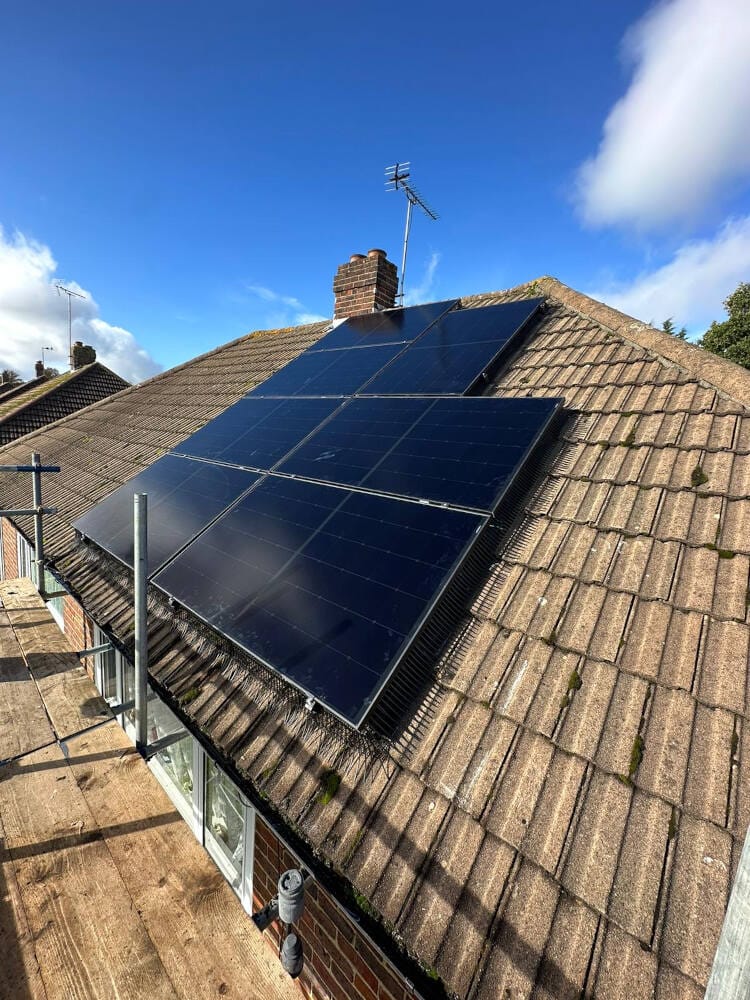
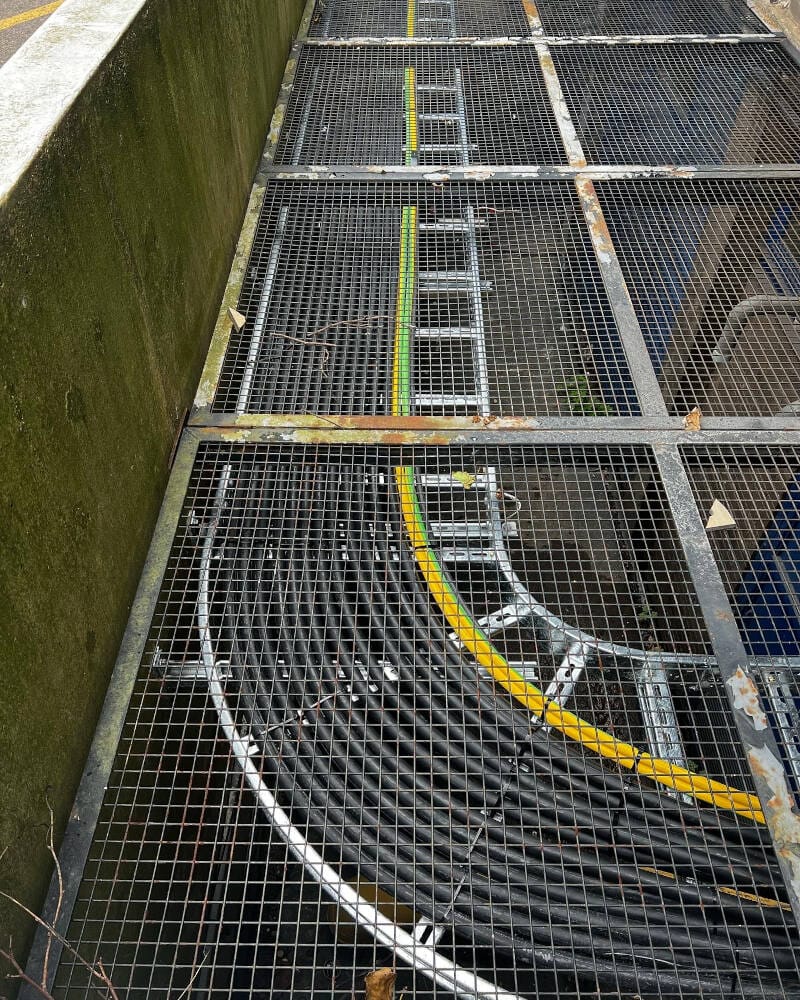
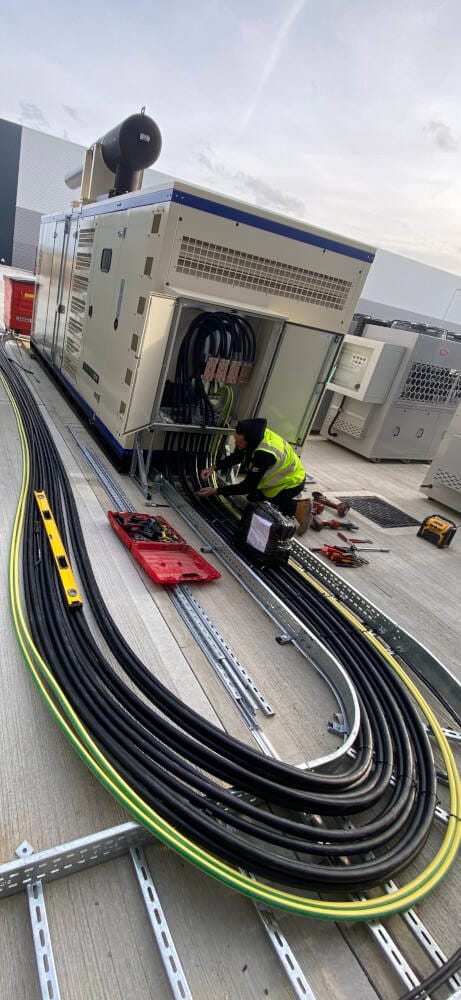
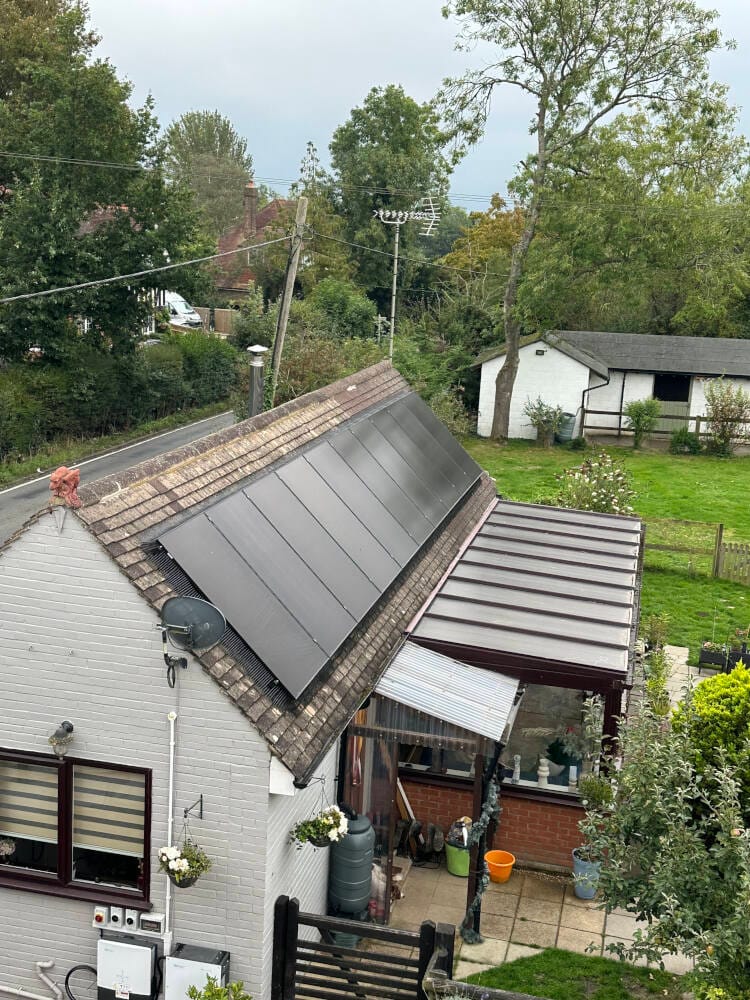
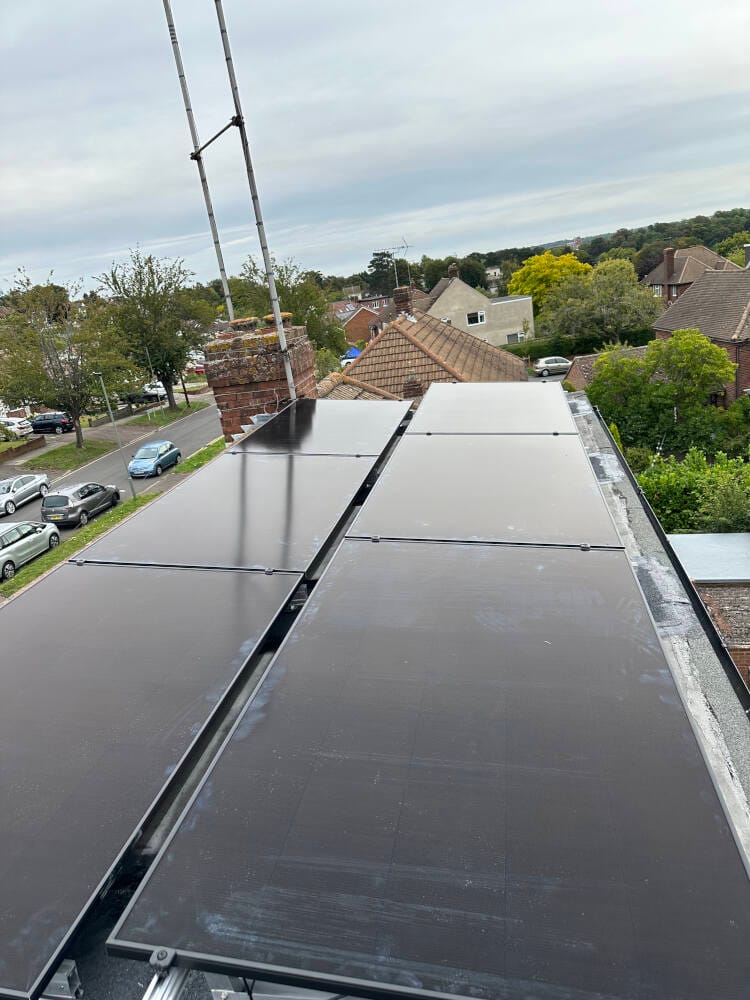

Photographs are Coutts Electrical's own, of their own completed work. Captions name the system type rather than a location, because the images are not tied to a named customer or town.
08 Questions
About
Sigenergy.
The ones people actually ask at survey. Anything specific to your property is answered on the visit.
How do I know if my property is suitable for electric vehicle charging installation?
Most houses are suitable, some may require a minor fuse upgrade by the local network operator but get in contact with us and we can advise you if this is required.
Where does the equipment actually go?
It depends on the unit and on the property. What we are looking for is somewhere that will take the weight, clearance around the unit for airflow and for whoever services it later, and a sensible cable route back to the board. A garage wall, a utility room or an outside wall are the usual options weighed up at survey, and each trades something off. An outside wall is easy to run to but exposed; a garage is sheltered but often the furthest point from the meter.
Can I add the EV charging side later, or does it all have to go in at once?
It can be staged. What is worth deciding before the first install rather than after is whether the later part is meant to join the same system or simply sit alongside it — that affects what gets fitted first. Tell us at survey what you expect to add and roughly when, even if it is only a possibility, and we can lay the first stage out to accommodate it.
Does an all-in-one system mean I am tied to one manufacturer for everything?
That depends on the manufacturer's range, and it is a fair thing to ask before you commit. Ask which parts of the system use open standards and which do not, and ask what happens if you later want a component from somebody else.
09 Also in this category
Other names
on the wall.
Listed, not evidenced — which is why they do not have pages of their own.




10 Start here
Get a
free quote.
Tell us your postcode and roughly what you are after. We come out, survey it properly, and put a written price in front of you — with the VAT position confirmed on it.
Not ready yet? All services · reviews · the job gallery.