Solar 6 min read
Warm Homes Loan Scheme rules: what it covers for solar panels, batteries and EV chargers
The Warm Homes Loan Scheme rules for homes, checked 3 Nov 2026: who can borrow, the £15,000 solar and battery caps, EV chargers, MCS installers, audits.

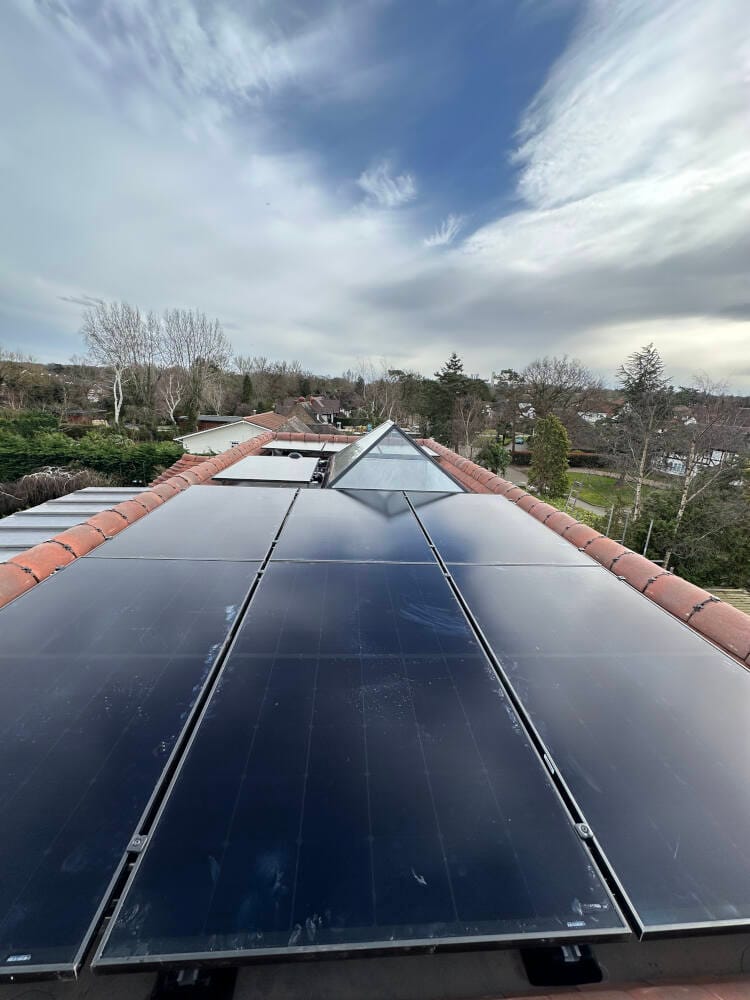
Quick answer: The Warm Homes Loan Scheme lets homeowners in the UK, and private landlords borrowing in their own name, borrow from a participating lender for low-carbon improvements. For solar panels the cap is £15,000, and for a battery it is £15,000. An EV charger is covered only as an add-on to solar or a battery, and insulation isn’t covered at all. There is no income limit, the lender runs its own checks, and the work must be done by an MCS-certified installer.
Coutts Electrical is an MCS-certified solar and battery installer in Keston, not a lender or credit broker, and we don’t arrange loans. This guide sets out the scheme’s rules as the Department for Energy Security and Net Zero and GOV.UK published them, checked on 3 November 2026. For how to start, and to ask us for a quotation, see our page on the Warm Homes Loan Scheme for solar panels and batteries in Bromley.
Who can borrow
GOV.UK sets three conditions: you must own the home you’re applying for, with or without a mortgage; it must be in the UK; and it must be residential, not commercial. The scheme rules also allow private landlords who borrow in their own name.
There is no income threshold. That is the main difference from the grant schemes, which are for lower-income households. Instead, each lender runs its own credit and affordability checks, and GOV.UK says lenders may have more eligibility rules.
What the loan can pay for, and the caps
GOV.UK lists air source and ground source heat pumps, solar photovoltaic panels, battery storage systems, heat network connections, domestic wind turbines and micro hydroelectric systems. You can borrow for more than one improvement. The scheme rules, version 3 of September 2026, set these caps for the systems most homes ask us about:
| Improvement | Loan cap | Notes |
|---|---|---|
| Solar PV panels | £15,000 | MCS-certified installer required |
| Battery storage | £15,000 | MCS-certified installer required |
| EV charger | Add-on only | Only alongside solar panels or a battery |
| Air-to-water heat pump | £20,000 | We don't install heat pumps |
| Insulation | Not eligible | See the Warm Homes: Local Grant |
The installer rule
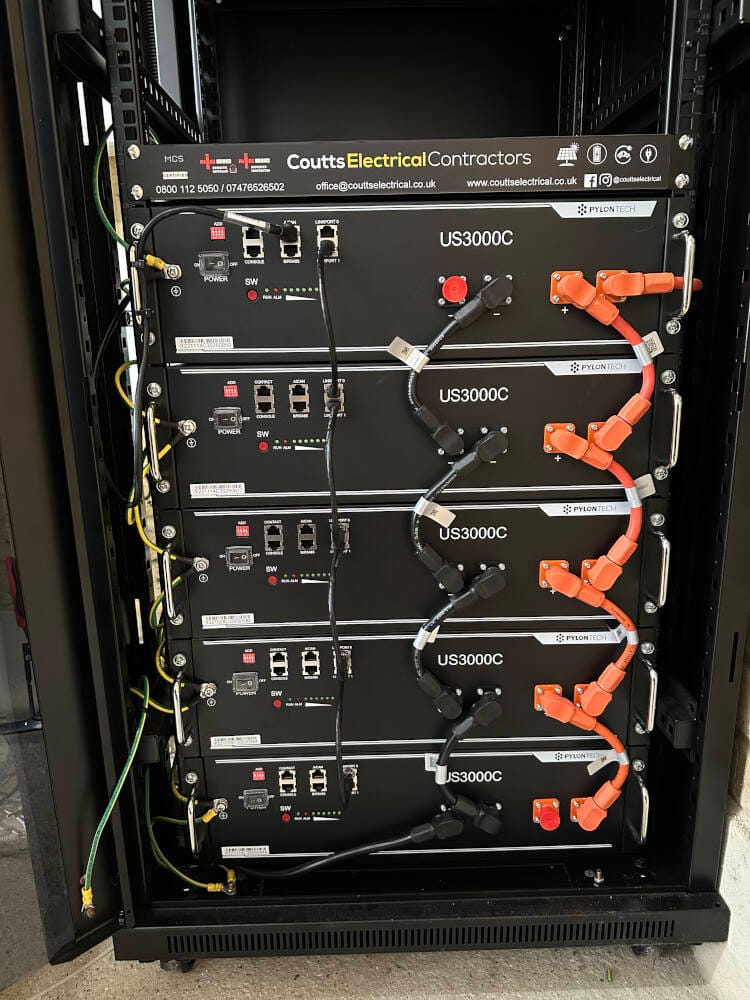
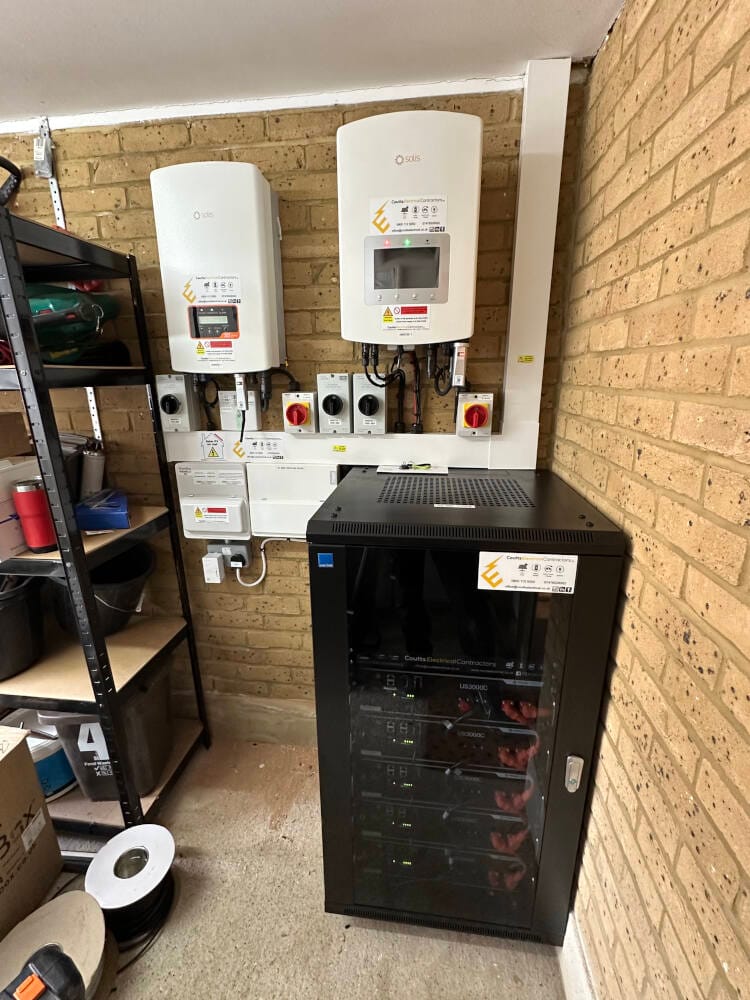
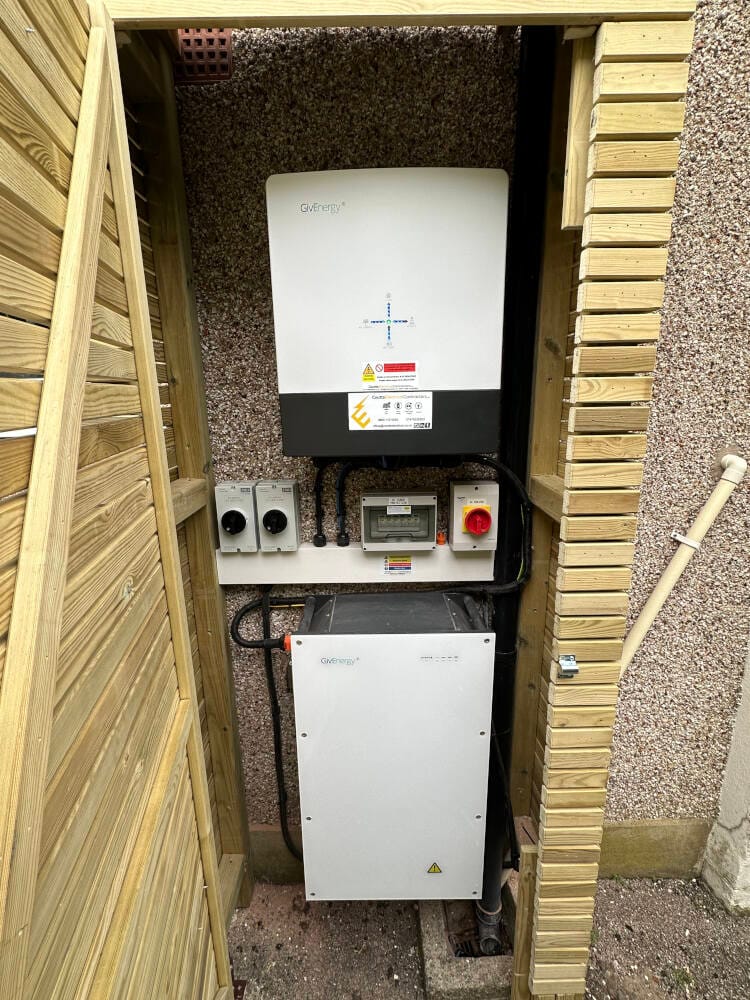
GOV.UK says you must usually use a Microgeneration Certification Scheme (MCS) certified installer, and you can’t do the work yourself. Check an installer on the MCS register before you sign anything: the register shows each firm’s certified technologies. Coutts Electrical Contractors Ltd is listed for solar PV and battery storage.
After the installation: audits
GOV.UK says the improvement work may be checked as part of an audit after it is done. Keep your MCS certificate, the installer’s paperwork and the invoice together with your loan documents.
Using it with other help
You can use the loan as well as other funding, but not for the same improvement. Solar panels and batteries fitted in homes carry 0% VAT until 31 March 2027, which lowers the total you need to borrow. If your household is on a lower income and your home is rated D to G, the Warm Homes: Local Grant may pay for the work instead, through your council.
Rates, terms and lenders
Lenders set their own interest rates and repayment terms. GOV.UK publishes the list of participating lenders and says to contact them directly about loan products, rates, repayment terms and eligibility. We can’t recommend a lender.
The government and lenders never cold-call to sell Warm Homes Loans or charge a fee to apply. If anyone does, don’t go ahead, and report it to Trading Standards.
Frequently asked questions
Can I get a Warm Homes loan just for an EV charger?
No. Under the scheme rules an EV charger is eligible only as an add-on to solar panels or a battery bought with the loan. On its own, a home charger isn’t covered.
Can I get a Warm Homes loan for insulation?
No. The scheme rules say insulation is not eligible. Lower-income households in homes rated D to G may be able to get insulation funded through the Warm Homes: Local Grant instead.
Can I add a battery to solar panels I already have?
The rules set a separate cap of £15,000 for battery storage, and GOV.UK lists battery storage systems as an improvement the loan can pay for. Check with the lender how it treats a battery added to an existing array before you apply.
Is there an income limit for the Warm Homes Loan Scheme?
No. The scheme has no income threshold. Each lender runs its own credit and affordability checks, and may have eligibility rules of its own.
Sources
- GOV.UK, “Warm Homes Loan Scheme” guide: overview, eligibility and lenders (checked 3 November 2026): gov.uk/warm-homes-loan-scheme
- Department for Energy Security and Net Zero, “Warm Homes Loan Scheme: scheme rules”, version 3, September 2026: assets.publishing.service.gov.uk
- Department for Energy Security and Net Zero, “Warm Homes Plan”, updated 18 March 2026: gov.uk
- MCS, “Find an MCS certified installer” (checked 3 November 2026): mcscertified.com
01 More from the blog
Keep
reading.
Common Mistakes to Avoid When Installing an EV Charger at Home (2026)
Mistakes that leave a home EV charger unsafe, slow or without a grant: three-pin charging, supply and earthing checks, DNO notice, Part P and OZEV rules.
Commercial EICRs: Who Is Responsible and How Often?
Who is responsible for a commercial EICR, how often offices, shops and industrial units need one, what C1, C2, C3 and FI mean, and what to do next.
How Much Does an Electrician Cost? Call-Out Fees and Rates
Electrician call-out fees, hourly and day rates, and sourced prices for sockets, light fittings, fault finding, EICRs and fuse box upgrades.