Domestic electrical 9 min read
How Much Does an Electrician Cost? Call-Out Fees and Rates
Electrician call-out fees, hourly and day rates, and sourced prices for sockets, light fittings, fault finding, EICRs and fuse box upgrades.

Quick answer: Fantastic Services’ 2026 price guide puts a standard electrician call-out fee at £60–£120, normally covering the first hour, then £40–£60 an hour after that. In London and the South East, the same guide gives £90–£150 for the call-out and £55–£75 an hour. Logic4training’s 2026 survey of electricians it has trained puts most flat call-out charges between £65 and £120, though it doesn’t say how many took part.
Those figures are for labour only. Your bill also depends on the job, the circuit it touches and when you need someone. Below is what the published 2026 figures say, where they disagree, and how to compare quotes.
What an electrician’s call-out fee covers
A call-out fee is the fixed charge for getting an electrician to your door. It pays for the travel and the first block of time on site, and you pay it whether the job takes ten minutes or the full hour. In Fantastic Services’ price guide, the call-out fee normally includes the first hour on site. After that, time is normally charged by the hour or half-hour.
Which? notes that some electricians charge by the hour and that a call-out fee may apply. Ask how a visit is priced before anyone sets off. Four questions are worth asking:
- Does the call-out include the first hour, and how is the time after it charged?
- Are parking or congestion charges added on top?
- Does the price include VAT? A VAT-registered business usually adds it at the standard rate of 20%, which GOV.UK gives as the rate for most goods and services.
- If the visit turns into a repair, are parts charged separately?
Hourly and day rates
Fantastic Services publishes a full set of labour rates for both regions.
| Charge | Source | Rest of UK | London & South East |
|---|---|---|---|
| Call-out, first hour included | Fantastic Services, 2026 | £60–£120 | £90–£150 |
| Hourly rate | Fantastic Services, 2026 | £40–£60 | £55–£75 |
| Half day (about 3–4 hours) | Fantastic Services, 2026 | £120–£220 | £180–£280 |
| Full day (about 7–8 hours) | Fantastic Services, 2026 | £220–£400 | £300–£450 |
| Emergency or out-of-hours call-out | Fantastic Services, 2026 | £120–£350 | £180–£400 |
Other guides give different figures, and it helps to know why. Logic4training surveys electricians it has trained, without publishing a sample size, and its June 2026 update gives an average hourly rate of £38. The same survey puts the average day rate at £312. Housekeep’s guide, headed October 2026, quotes £50–£95 an hour including VAT, and £350–£665 for a seven-to-eight-hour day, without saying whether that day rate includes VAT.
Much of the gap comes down to what each guide measures: VAT in or out, and a survey average rather than a price list.
A day rate usually makes sense once a job will fill most of a day, such as a board change or a run of new circuits or downlights. For anything shorter, compare the hourly total with a fixed price for the whole job.
What common domestic jobs cost
These are typical prices for the jobs most people call an electrician about. Each row names its source.
| Job | Time on site | Source | Typical price |
|---|---|---|---|
| Replace a light fitting (you supply the fitting) | 30 minutes to 1 hour | Which?, May 2026 (ex VAT) | £50–£200 |
| Replace a socket or switch, per socket | Not stated | Fantastic Services, 2026 | £50–£120 |
| Install two extra double sockets | 2–4 hours | Which?, May 2026 (ex VAT) | £125–£450 |
| Fault finding | Not stated | Logic4training survey, 2026 | £50–£200 |
| Electrical Installation Condition Report (EICR), three-bedroom semi | 4–8 hours | Which?, May 2026 (ex VAT) | £100–£330 |
| Replace a fuse box, three-bedroom semi | Half a day to a day | Which?, May 2026 (ex VAT) | £500–£1,500 |
| Electric shower, like-for-like (8.5kW) | Half a day to a day | Which?, May 2026 (ex VAT) | £300–£600 |
Which?’s prices come from a survey of 19 of its Trusted Traders, carried out in November 2025. They cover labour and materials, except where a row says you supply the item, but not VAT. Fantastic Services says its prices include VAT where applicable. Logic4training doesn’t say either way.
Sockets and light fittings
Swapping like for like is the quick end of the market. Logic4training’s survey puts a socket replacement at £25–£80 and a light fixture installation at £40–£120. A new socket costs more, and Which? says chasing cables into the walls raises the cost of socket work.
What turns a small job into a bigger one is usually the circuit the new point joins, not the fitting. On a healthy circuit with a modern board, an extra socket is straightforward. On a crowded or older circuit it isn’t. That’s why a good domestic electrician may want to test the circuit before giving you a firm price.
Fault finding
Fault finding is charged by time, because finding the fault usually takes longer than fixing it. Logic4training’s survey gives a range of £50–£200, with an average of £125. Each test point means isolating the circuit, opening it, taking readings and putting it back together. Once the cause is found, the repair itself is often small.
You can shorten that time. Note when each trip happened, what was switched on, the weather, and anything that changed recently, such as a new appliance. Our page on electrical fault finding explains how a circuit is divided down to the fault.
EICRs
Which? puts an EICR on a three-bedroom semi at £100–£330, for four to eight hours of inspection and testing. Fantastic Services gives £250–£400 in London. If you let a home in England to private or social tenants, the GOV.UK guidance says you must have the electrics checked at least every five years by a properly qualified person. Since 1 November 2025, a local council can impose a financial penalty of up to £40,000 for a breach, up from £30,000 (SI 2025/1043).
When you compare quotes, check that the inspection price is separate from any remedial work. Remedial work should be priced once you’ve seen the report, not assumed in advance. Our EICR testing page explains what the report codes mean.
Upgrading an old fuse box
Which? gives £500–£1,500 to replace the fuse box in a three-bedroom semi, taking half a day to a day. In Logic4training’s survey the average consumer unit upgrade rose from £625 in 2025 to £890 in 2026, which it puts down to material costs.
Two points before you agree to one. First, a new board doesn’t improve the cable behind it. Second, the trouble is sometimes on a circuit rather than in the board, so the installation should be tested before anyone recommends a change. GOV.UK lists replacing a fuse box among the jobs that may need building regulations approval, which is covered below. Our page on consumer unit upgrades covers what the change involves.
Emergency and out-of-hours premiums
Calling someone out at night, at the weekend or on a bank holiday costs more. Fantastic Services puts an emergency or out-of-hours call-out at £120–£350 in the rest of the UK and £180–£400 in London and the South East. Housekeep quotes an emergency hourly rate of £80–£110 including VAT.
You avoid the premium by knowing what can wait. Anything burning, sparking, wet, or live where it shouldn’t be is an emergency. A single dead socket with nothing warm or discoloured, or a breaker that tripped once and has stayed on since, can usually wait for a normal working day. If you’re unsure, phone and describe what you can see, hear and smell.
Coutts Electrical’s emergency electricians are on call 24 hours a day, 365 days a year. Where emergency attendance is requested, an engineer is dispatched within 30 minutes.
Prices in London and the South East
The guides that break prices down by region agree that they are higher here. Fantastic Services puts London and the South East roughly 15–30% above the North, Wales and Scotland. Housekeep says London tops out at around 20–25% more than the rest of the UK. Which? says its prices are likely to be at the upper end of its ranges in London and the South East.
Those bands cover the South East as well as central London. If you’re looking for an electrician in Beckenham, Bromley, Croydon or Orpington, the London and South East figures are the closer comparison, but judge each quote on what it covers. In Fantastic Services’ London figures, a light fitting is £80–£200, a socket or switch £80–£220, and a fuse box or consumer unit replacement £700–£1,200.
What pushes the price up or down
The hourly rate is only part of the bill. These things usually make the bigger difference:
- Access and making good. Cables chased into plaster or run under floorboards take time, and someone has to make good afterwards. Ask whether that’s included.
- Distance from the supply. Which? says the time it takes to fit an external security light depends on the distance to the supply and the length of cable needed.
- An occupied home. Which? notes that rewiring an occupied home takes longer than an empty one. The same applies to most large jobs.
- The state of the installation. Older circuits and boards often need extra work before anything new can be added safely.
- Materials. Of the electricians in Logic4training’s survey, 92% had noticed material costs rising over the past year.
You can bring the cost down too. Which? suggests grouping small jobs into one visit if you’re paying by the hour, and clearing the work area before a rewire. Clear the space in front of your consumer unit as well.
Part P and competent person schemes
GOV.UK describes Part P of the Building Regulations as covering electrical safety in homes in England. Its building regulations guidance says you may need approval to replace a fuse box and the electrics connected to it, or to change the electrics near a bath or shower. You don’t need to get that approval yourself if you use someone registered with a competent person scheme.
That matters for cost. Without approval, GOV.UK says, you won’t have the certificates of compliance you may need when you sell your home. The person doing the work could be prosecuted and fined, and building control could make you pay to put faulty work right.
The government’s competent person scheme guidance, updated in September 2026, lists the schemes for electrical work in homes, including Certsure (which operates NICEIC) and NAPIT. Registered installers go on the electrical competent person register, where householders can find registered electricians. Coutts Electrical is an NICEIC Approved Contractor, and its TrustMark register entry (licence 2677315) lists NICEIC as a scheme provider.
How to compare electrician quotes
- Get at least three quotes, as Which? recommends, so you can see the going rate for your job.
- Ask for a breakdown of each one, so you know what you’re paying for.
- Compare totals, not hourly rates. A higher rate can still be the cheaper job if it’s done in fewer hours.
- Check the scope. Look for certification, making good, removal of old equipment and VAT.
- Check registration on the scheme’s own register before you agree to notifiable work.
Which? Trusted Traders must pass an assessment and follow a code of conduct, and Coutts Electrical is one of them. We’re based in Biggin Hill and work as electricians in Bromley and Croydon, and across Orpington, Beckenham, Sevenoaks and north-west Kent. If you want a price for a particular job, get in touch or call 0800 112 5050 and describe what you need.
Questions people ask
What is a reasonable call-out fee for an electrician?
£60–£120 in most of the UK, normally including the first hour, and £90–£150 in London and the South East (Fantastic Services, 2026). Logic4training’s 2026 survey puts most flat call-out charges at £65–£120.
How much does an electrician charge per hour?
£40–£60 in most of the UK and £55–£75 in London and the South East (Fantastic Services). Logic4training’s survey average is £38. Housekeep quotes £50–£95 including VAT.
What is an electrician’s day rate in the UK?
£220–£400 for a full day, or £300–£450 in London and the South East (Fantastic Services). Logic4training’s survey average is £312.
How much do electricians charge for an emergency call-out?
£120–£350, or £180–£400 in London and the South East (Fantastic Services). Housekeep gives an emergency hourly rate of £80–£110 including VAT.
How much does it cost to add a socket?
Which? gives £125–£450, excluding VAT, for two extra double sockets. Replacing an existing socket is £50–£120 in Fantastic Services’ guide.
Can I do my own electrical work to save money?
GOV.UK says replacing a fuse box or changing the electrics near a bath or shower may need building regulations approval. Without it, you may lack the certificates you need when you sell.
Do electricians charge VAT?
VAT-registered businesses do, usually at the standard rate of 20%, which GOV.UK gives as the rate for most goods and services. Which?’s figures exclude VAT and Housekeep’s hourly and emergency rates include it, so check the basis before you compare.
Sources
- Which?, Natalie Turner and Victoria Purcell, “How much do electricians cost?”, 1 May 2026 (survey of 19 Which? Trusted Traders, November 2025; prices exclude VAT): which.co.uk
- Fantastic Services, “How much does an electrician cost? [2026 UK price guide]”, 2026 edition, no publication date given, accessed 15 October 2026: fantasticservices.com
- Logic4training, “Electrician Day Rates in the UK: Common Jobs and Charges for Electricians in 2026”, last updated 15 June 2026 (survey of electricians it has trained; sample size and survey date not published): logic4training.co.uk
- Housekeep, Georgina Shepherd and Henry Paterson, “How much does an electrician cost? [October 2026]”, October 2026 in the page title, no publication date given (hourly and emergency rates stated as including VAT; day rate basis not stated): housekeep.com
- GOV.UK, “Building regulations approval: When you need approval”, accessed 15 October 2026: gov.uk
- GOV.UK, “Electrical safety: Approved Document P”, published 1 January 2013, accessed 15 October 2026: gov.uk
- GOV.UK, “Competent person scheme: current schemes and how schemes are authorised”, updated 17 September 2026: gov.uk
- GOV.UK, “Electrical safety standards in the private and social rented sectors: guidance”, 1 November 2025: gov.uk
- legislation.gov.uk, “The Electrical Safety Standards in the Private Rented Sector (England) (Amendment) (Extension to the Social Rented Sector) Regulations 2025” (SI 2025/1043), made 23 September 2025: legislation.gov.uk
- GOV.UK, “VAT rates”, accessed 15 October 2026: gov.uk
- TrustMark, register entry for Coutts Electrical Contractors Ltd, licence 2677315, accessed 15 October 2026: trustmark.org.uk
01 More from the blog
Keep
reading.
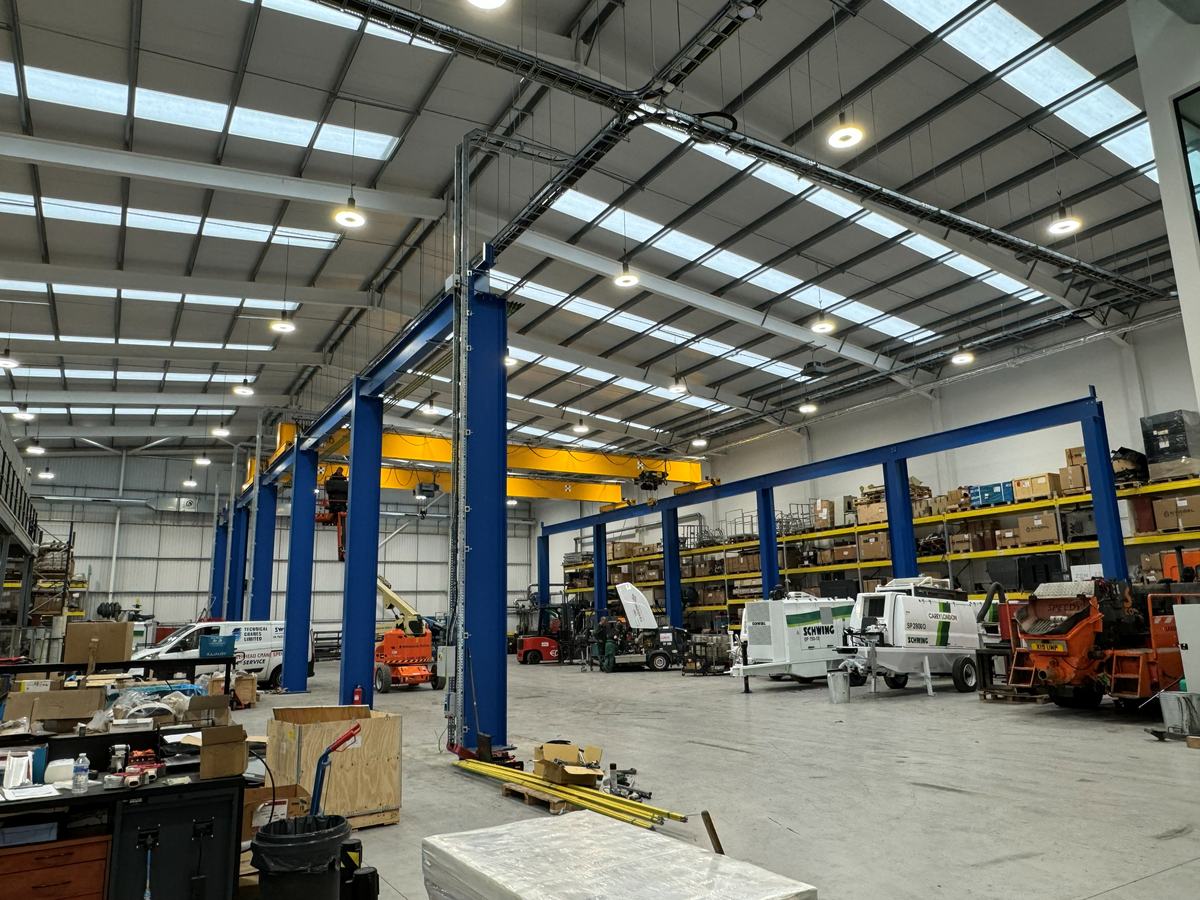
Commercial EICRs: Who Is Responsible and How Often?
Who is responsible for a commercial EICR, how often offices, shops and industrial units need one, what C1, C2, C3 and FI mean, and what to do next.
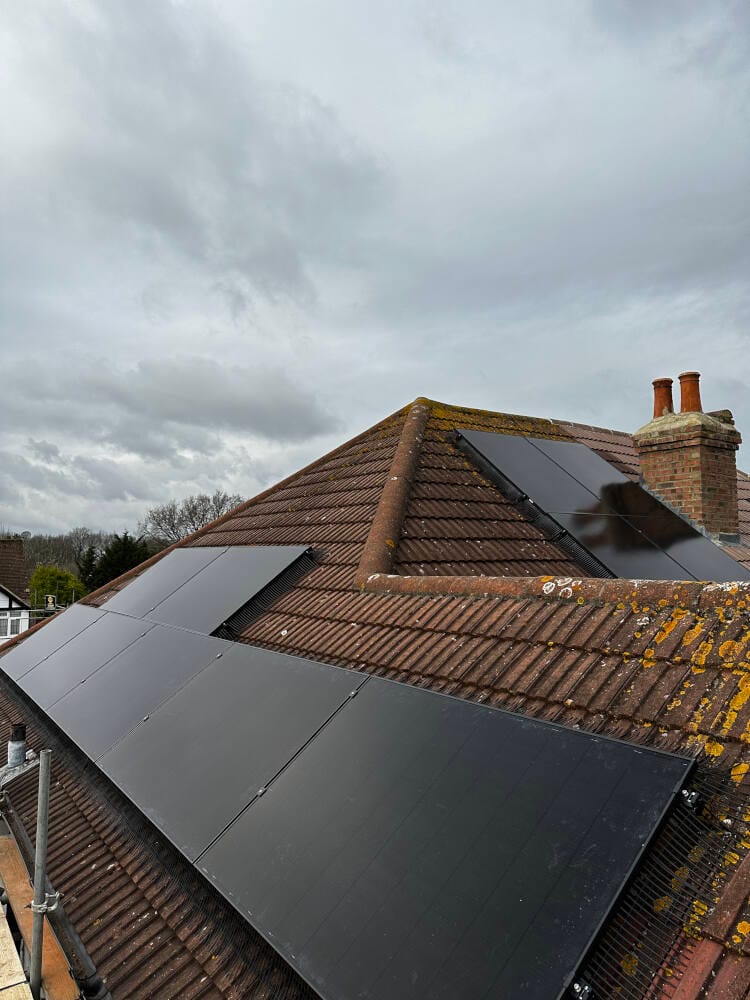
Is solar worth it in Kent? Payback worked out with local figures
Is solar worth it in Kent? Worked figures for Sevenoaks, Tonbridge and Maidstone at the October 2026 price cap, with and without a battery.
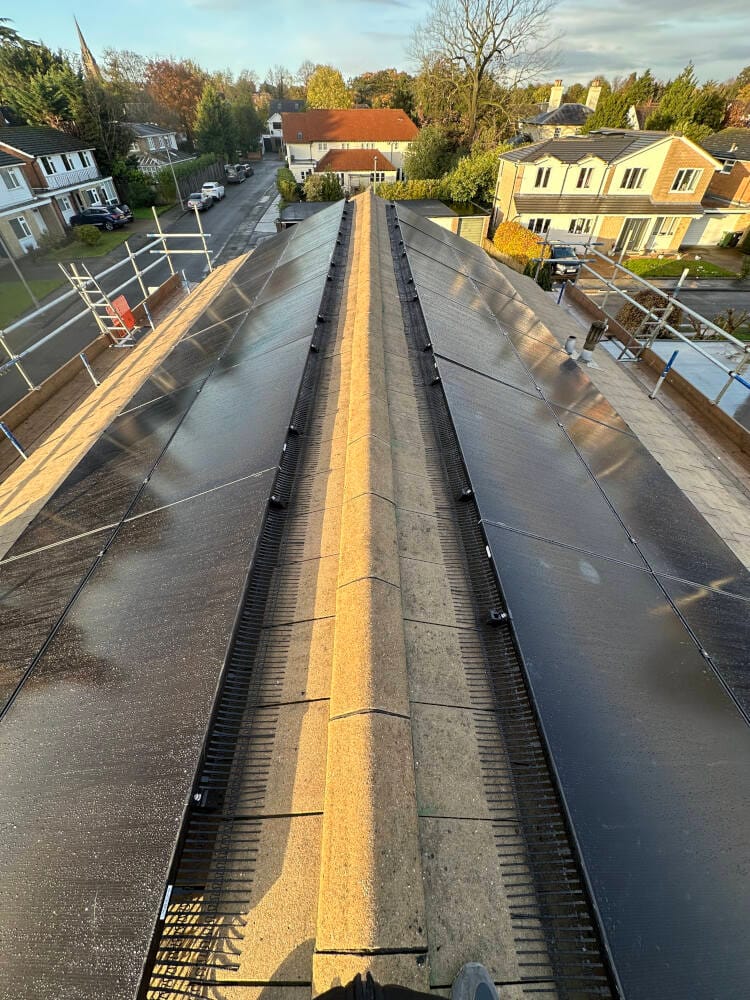
Do you need planning permission for solar panels in Kent and Bromley?
Most home solar in Kent and Bromley is permitted development. The limits, the conservation area, listed building and flat exceptions, and what to check.